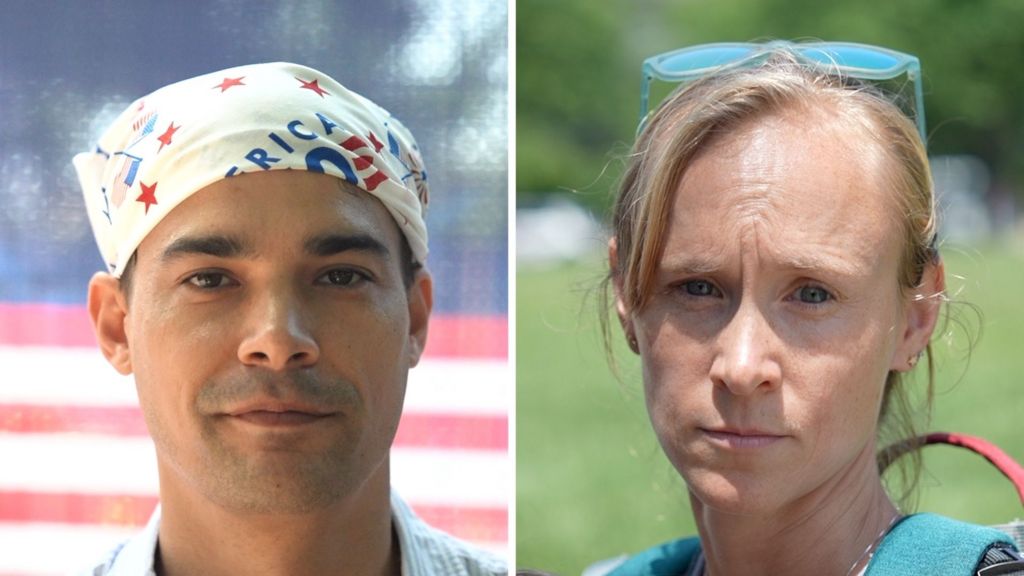
A decades-old foundational principle of U.S. citizenship law remained intact after the U.S. Supreme Court issued a ruling upholding birthright citizenship, prompting the BBC to reach out to ordinary Americans across the country to capture their reactions to the high court’s decision. Birthright citizenship, which grants automatic U.S. citizenship to nearly all people born on American soil, is enshrined in the 14th Amendment of the U.S. Constitution, and the Supreme Court’s ruling reaffirmed this long-standing interpretation of the nation’s founding document. The BBC’s outreach captured a wide spectrum of opinions that mirror the deep partisan and cultural divides that shape contemporary debates over immigration and national identity in the United States. Many respondents who backed the ruling emphasized that birthright citizenship is a core part of America’s identity as a nation of immigrants, arguing that it upholds the country’s long-standing promise of opportunity to people born within its borders regardless of their parents’ immigration status. These respondents framed the Supreme Court’s decision as a victory for constitutional originalism and equal treatment under the law, noting that the 14th Amendment was explicitly written after the Civil War to grant citizenship to formerly enslaved people and establish a clear standard for birthright nationality. On the other side of the debate, critics of the ruling expressed disappointment that the Supreme Court did not revisit the issue, arguing that the current policy incentivizes illegal immigration and puts unfair strain on local government resources. These respondents contended that the 14th Amendment’s wording was never intended to grant automatic citizenship to children of non-citizens, and called for future legislative or constitutional action to revise the policy. Between these two polarizing views, some respondents shared more nuanced perspectives, acknowledging the historical importance of the principle while calling for broader comprehensive immigration reform to address unresolved challenges in the U.S. immigration system. For many Americans, the ruling has reignited conversations about what it means to be American, and how the nation should balance its commitment to inclusive principles with the need to enforce immigration laws. Legal experts note that the Supreme Court’s ruling sets a firm precedent that will likely keep birthright citizenship unchanged for the foreseeable future, even as the political debate over the issue continues to play out in statehouses and national election campaigns across the country.