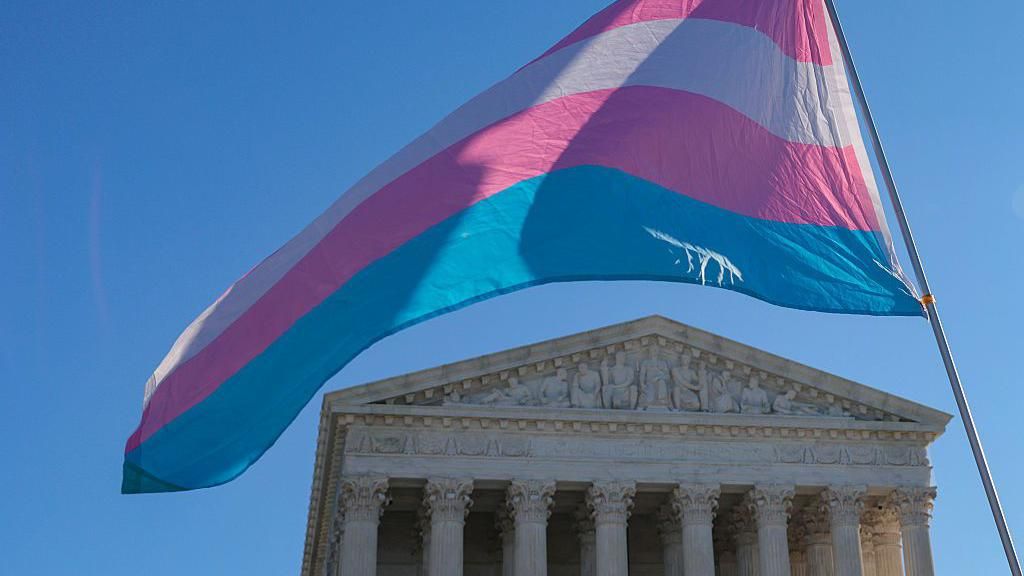
In a landmark decision that has reshaped the landscape of youth and collegiate athletics policy in the United States, the US Supreme Court has upheld the right of individual states to implement bans barring transgender women from competing on female sports teams at public K-12 schools and colleges. The ruling stems from two separate legal challenges brought against participation bans passed in the states of Idaho and West Virginia, both of which require athlete eligibility for public school and college sports to be determined based on an individual’s sex assigned at birth. The challengers argued that the restrictions violate core US legal protections: one claimed the ban runs afoul of equal rights guarantees enshrined in the US Constitution, while the other asserted it conflicts with federal civil rights legislation. Idaho pioneered this policy shift when it passed the first such ban in 2020, and in the years since, more than 25 other states have followed suit with similar legislation. Under these rules, transgender women – individuals who were assigned male at birth but identify as women – are completely excluded from competing in women’s and girls’ athletic programs at public educational institutions. Long-distance runner Lindsay Hecox was one of the first to mount a legal challenge to Idaho’s law, filing suit almost immediately after the legislation was signed into action. Lower courts sided with Hecox, granting her a preliminary injunction that blocked enforcement of the ban while the case worked its way through the judicial system. A three-judge panel on the appeals court even went a step further, ruling that the Idaho law violated constitutional equal protection rights. The panel noted that state officials had failed to present concrete evidence proving the ban was necessary to preserve competitive fairness and athletic opportunity for cisgender female athletes. Barbara Ehardt, the Idaho state lawmaker who originally sponsored the legislation, defended the ban at the time of its passage, arguing that excluding transgender women from female sports was necessary to prevent cisgender girls and women from being displaced from competition and to maintain a level playing field. The issue of transgender athlete eligibility has become a flashpoint in partisan US politics over the past several years, and it featured prominently in former President Donald Trump’s 2024 presidential election campaign. After taking office earlier this year, Trump signed an executive order mandating a federal ban on transgender women competing in female sports. In the wake of that executive action, the National Collegiate Athletic Association (NCAA), the governing body that oversees intercollegiate athletics across the United States, updated its own policies to implement a nationwide ban on transgender women’s participation in women’s college sports. The Supreme Court’s latest decision clears the way for existing state bans to go into full effect, and is expected to encourage more states to adopt similar restrictions in the coming months, deepening the national debate over transgender rights, athletic equity, and state versus federal authority over education policy.
US Supreme Court upholds bans on transgender women in female school and college sports