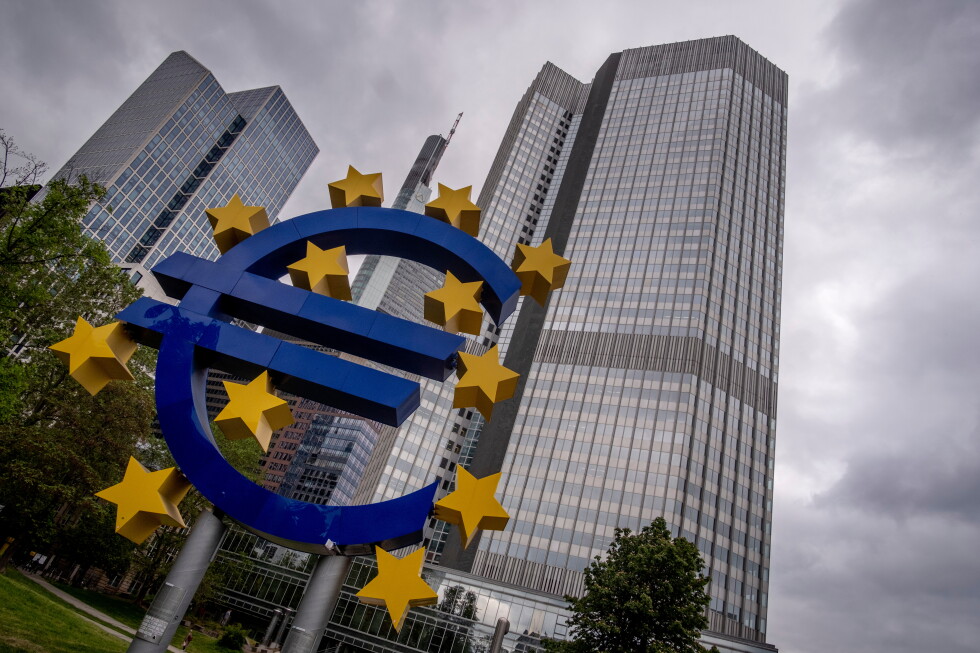
SINTRA, Portugal — European Central Bank (ECB) President Christine Lagarde has pushed back against characterizations of the institution’s June 11 quarter-percentage-point benchmark interest rate increase as a mere precautionary “insurance hike,” arguing the move was a necessary step to prevent persistent above-target inflation from extending into the late 2020s.
Speaking Monday at the ECB’s annual monetary policy conference, Lagarde emphasized that without the 25 basis point hike — the first policy rate adjustment from the ECB in 12 months, which lifted the key rate to 2.25% for the 20-nation eurozone — inflation would have remained stuck above the bank’s 2% medium-term target through 2028.
“Some have characterized our rate increase earlier this month as an ‘insurance hike,’” Lagarde stated. “I’m sorry to disappoint them. That is not an accurate description. We faced an outlook of rising headline and core inflation.”
Current projections show even with the new rate increase, inflation will not return to the 2% target until the final quarter of 2027. Annual inflation across the eurozone stood at 3.2% in May, per recent official data.
Lagarde made clear that the aggressive outsized rate hikes the ECB deployed to tame double-digit inflation following Russia’s halt of natural gas exports to Europe amid the Ukraine war will not be needed moving forward. In response to that 2022 energy shock, the ECB carried out what Lagarde called “the fastest tightening cycle in our history, raising rates in increments we had never used before.”
Today, a shifting landscape of geopolitical volatility requires a more gradual, meeting-by-meeting approach to rate setting, she explained. Ongoing conflict in Iran and supply disruptions affecting energy shipments through the Strait of Hormuz have created fluctuating price pressures for oil and natural gas, while the European economy has outperformed gloomy forecasts in the face of new U.S. tariffs on European imports imposed by the Donald Trump administration.
“We no longer need to act with the same force,” Lagarde said. “We can make measured adjustments to rates, calibrated to the shocks we face.”
To improve policy accuracy, the ECB now prepares both mild and severe outcome scenarios for ongoing geopolitical events, allowing policymakers to avoid both overreaction and underreaction to shifting market conditions. The ECB’s next rate-setting meetings are scheduled for July 22-23 and September 9-10, where policymakers will adjust policy based on the latest incoming data.