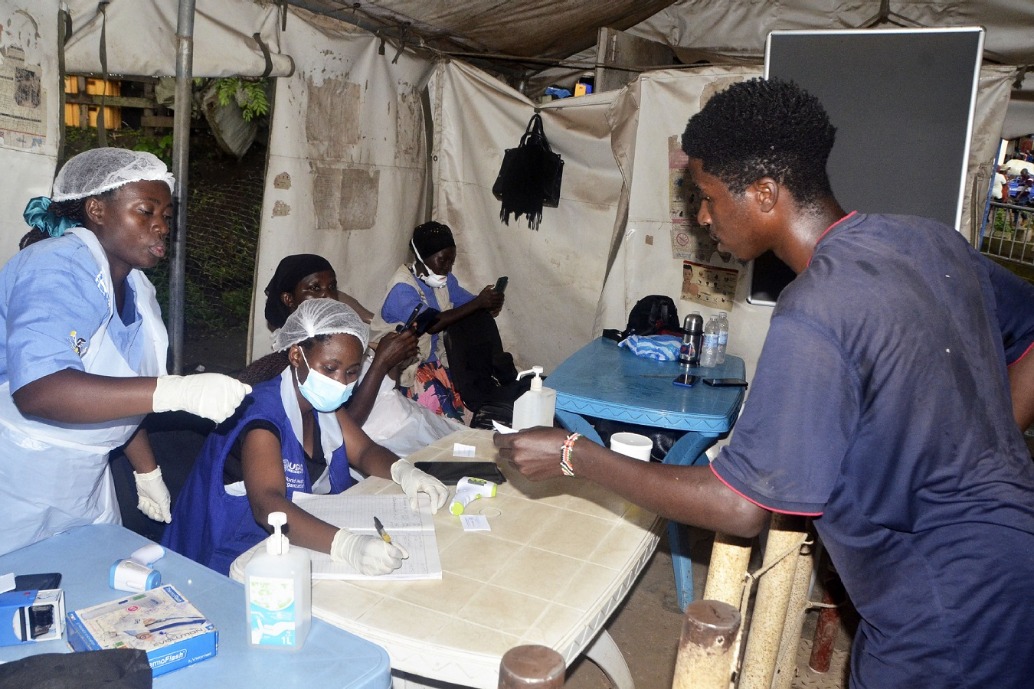
KINSHASA – A public health emergency in the eastern Democratic Republic of the Congo (DRC) continues to escalate, with official data releasing Saturday showing confirmed Ebola infections have climbed to 956, and the cumulative death toll from the outbreak has reached 247. The update comes from the country’s national health authorities in their latest epidemiological situation report.
On Friday alone, 23 new positive Ebola diagnoses and two additional fatalities were recorded across two high-risk eastern provinces: Ituri and North Kivu. Ituri, the current epicenter of the outbreak, bears the overwhelming majority of the national caseload, with 874 confirmed infections and 201 deaths accounting for over 91 percent of all confirmed cases nationwide.
Per the report, 92 patients have successfully recovered from the virus and been discharged from care, while 361 confirmed patients are currently undergoing isolation or inpatient treatment at designated health facilities. An additional 162 people are under investigation as suspected cases as of Friday. One key gap in the national outbreak response has been identified: the contact-tracing rate, which currently sits at just 69.3 percent, far below the 95 percent target health officials set to effectively interrupt chains of virus transmission.
During a press briefing held Friday evening, DRC Health Minister Roger Kamba confirmed that the outbreak is still in an expansionary phase. Kamba noted that as response teams scale up active case searching operations and extend their reach into more remote, heavily affected communities, further increases in confirmed case counts are expected in the coming weeks.
The health minister added that public health officials will not be able to declare the outbreak has reached its peak, plateaued, or entered a decline until weekly case counts show consistent stabilization or a sustained downward trend. Until that point, Kamba emphasized, all core response efforts including aggressive case detection, immediate patient isolation and treatment, and deeper community engagement must be sustained and expanded.
This current outbreak, caused by the rare Bundibugyo strain of the Ebola virus, was first officially declared by DRC public health authorities on May 15 this year.