More than a year after the death of former Zambian President Edgar Lungu, a months-long cross-border legal fight over the final resting place of his remains has taken a decisive turn, with South Africa’s Supreme Court of Appeal siding with his family and rejecting custody claims brought by the Zambian government. Tuesday’s appellate ruling reverses an earlier lower court decision that had ordered Lungu’s relatives to turn over his body to Zambian authorities for repatriation to his home country.
Lungu, who led the southern African nation from 2015 to 2021, passed away in South Africa on June 5, 2025, at the age of 68. What should have been a peaceful period of mourning has instead stretched into a public, politically charged conflict that extends the bitter rivalry between Lungu and his long-time political foe, current Zambian President Hakainde Hichilema, beyond Lungu’s death.
The Zambian government has argued that long-standing national custom and protocol require that former heads of state be interred at a designated national cemetery reserved for the country’s fallen leaders. But Lungu’s family has pushed back against this claim, saying they are upholding the former president’s explicit final wishes: he explicitly barred Hichilema from accessing his remains and refused to allow a state funeral led by the incumbent administration on Zambian soil. The family chose instead to lay Lungu to rest in South Africa.
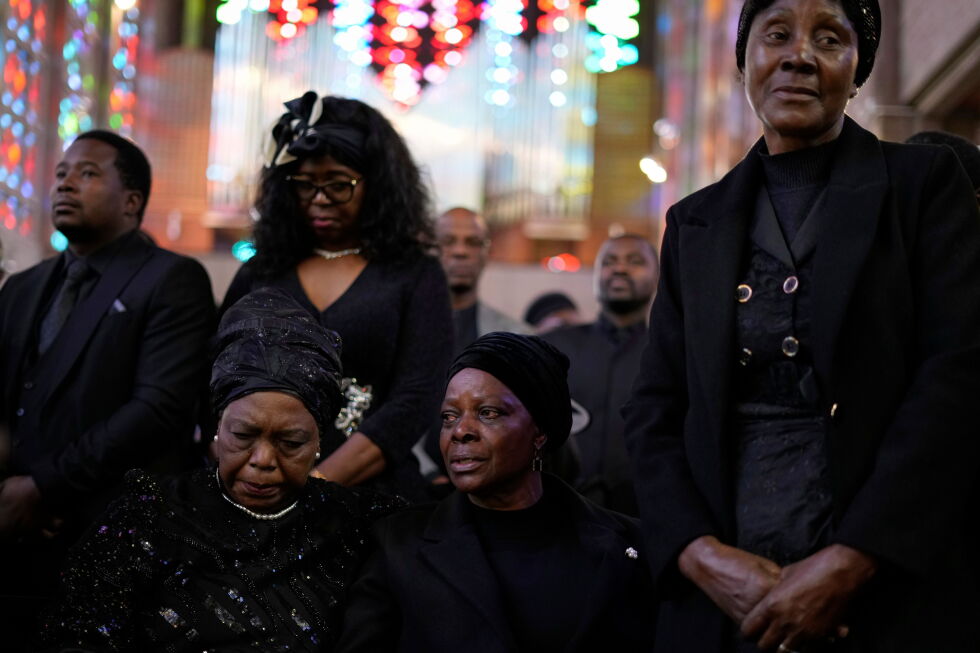
The dispute left Lungu’s body held at a local mortuary for more than a year as legal proceedings moved through South Africa’s court system. A planned funeral service held by the family in South Africa last June was abruptly cut short when Zambian authorities filed an urgent court motion to seize the remains, prolonging the standoff.
Delivering the panel’s majority ruling this week, appellate judges stated that the common law and constitutional rights of the deceased’s family take legal precedence over the Zambian government’s claim to custody. As South Africa’s second-highest judicial body, the Supreme Court of Appeal’s ruling leaves the door open for further legal action: the Zambian government retains the right to launch a subsequent appeal to the country’s Constitutional Court if it chooses to do so.
The underlying political tensions that fueled this posthumous conflict stretch back years. Lungu defeated Hichilema in two consecutive presidential elections during his time in office, and when Hichilema was still leader of the opposition, he was jailed for four months on treason charges that were ultimately dismissed. The dynamic shifted in the 2021 presidential election, when Hichilema defeated Lungu to claim the presidency. In the years after his election loss, Lungu alleged that he had been placed under de facto house arrest by security forces acting on Hichilema’s orders, deepening the enmity between the two political rivals.