A looming public health crisis is building in South Africa after the Trump administration confirmed it would draw down all United States HIV and AIDS funding to the country, a move that the head of the UN’s leading HIV agency warns will put countless lives at risk and undo decades of critical progress.
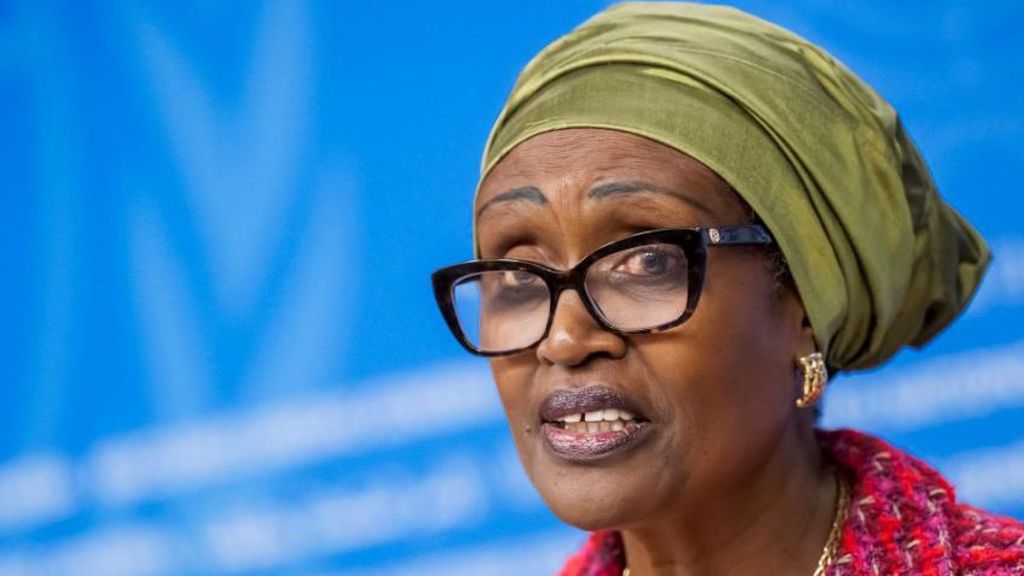
Speaking to reporters on the eve of a high-level UN meeting focused on global HIV response efforts, UNAIDS Executive Director Winnie Byanyima issued an urgent plea to Washington to reverse course and pursue a planned phase-out of funding instead of an abrupt withdrawal. “Please do not take money away because you are taking lives away,” Byanyima stressed, adding that the sudden cut to life-saving programs puts the most vulnerable populations directly in harm’s way.
For decades, the U.S. President’s Emergency Fund for AIDS Relief (PEPFAR) has poured approximately $400 million annually into South Africa’s national HIV response, covering around 17% of the country’s total HIV programming budget. While South Africa has built domestic capacity to supply antiretroviral HIV drugs independent of U.S. funding, PEPFAR resources have anchored a wide range of prevention programs that have slowed transmission dramatically across the country, which is home to more than 8 million people living with HIV — the highest national caseload globally.
Byanyima warned that eliminating this core contribution risks reversing all the gains the global public health community has made against the epidemic in South Africa over the past two decades. She also noted that financing cuts to global HIV assistance are not isolated to the U.S., calling on all UN member states to uphold their commitment to protecting the human rights of people living with HIV.
The funding withdrawal is tied to rising diplomatic tensions between the Trump administration and the South African government. U.S. officials confirmed the phased drawdown last week, citing Pretoria’s failure to meet Washington’s policy demands, specifically over unsubstantiated claims that the South African government has failed to protect the white-minority Afrikaner community. The Trump administration has previously pushed widely discredited claims of a “white genocide” in South Africa, and has condemned the country’s Black Economic Empowerment policy, which Pretoria has defended as a necessary correction to deep economic inequality rooted in the apartheid era. South African officials reject all accusations of discriminatory policy against minority groups.
While South Africa’s health ministry says it has not received formal notification of the funding cut, it noted that the country has been developing a national HIV self-reliance plan for years to reduce dependence on international aid. Even so, public health experts warn that an abrupt end to U.S. funding would leave a crippling gap in prevention programming that South Africa’s domestic budget cannot fill overnight.
Byanyima emphasized that the U.S. has long been the world’s largest contributor to global HIV response efforts, and expressed hope that Washington would reconsider its decision to withdraw PEPFAR funding from South Africa. “Taking it away is taking life-saving support from the most vulnerable people, so that is sad and I would like the United States to reconsider their position,” she said.