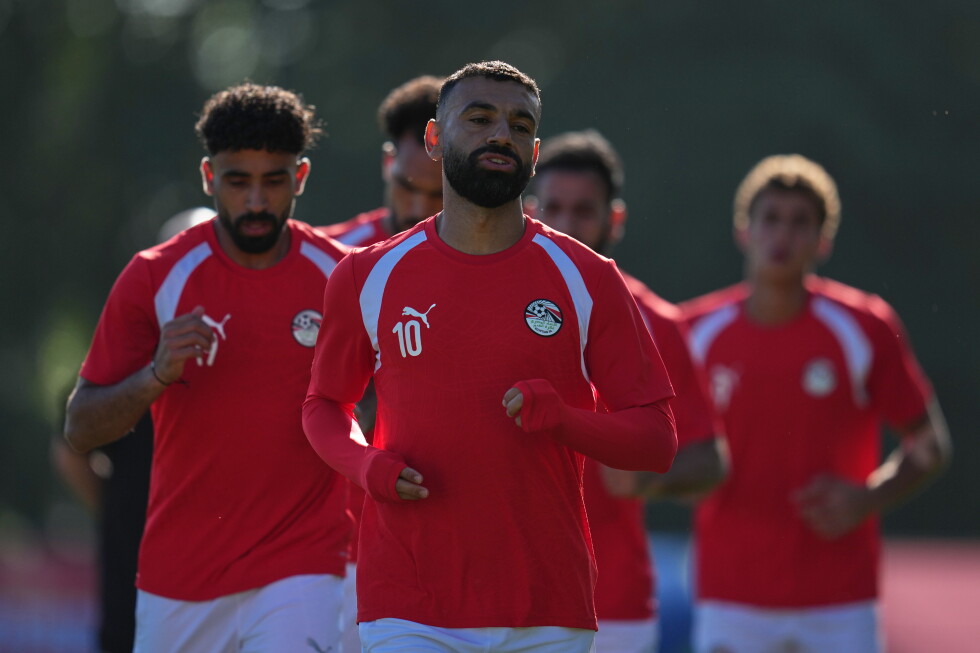
VANCOUVER, British Columbia — As the sun rose over the Canadian city this weekend, one of African football’s most promising 2026 World Cup stories was waiting to be written. Ranked 28th globally, Egypt’s national team, affectionately nicknamed the Pharaohs, steps onto the pitch Sunday against 83rd-ranked New Zealand (the All Whites) on the cusp of a historic milestone: the program’s first ever World Cup match victory. A win would not only cement that long-awaited breakthrough, it would also put Egypt firmly in the driver’s seat to advance to the tournament’s knockout round.
Speaking to reporters Saturday through an Arabic translation, Egyptian head coach Hossam Hassan summed up the weight of the moment: “This match is everything in our world for the moment.”
Egypt’s chase of history is far from an isolated story — it is the latest chapter in a dramatic, long-building surge in African soccer’s standing on the global stage. This year’s expanded 48-team World Cup format has opened new doors for the continent, granting African nations more slots than ever before to compete against the world’s elite. A record 10 African squads have qualified for the 2026 tournament, a milestone that reflects the growing depth of talent across the region.
“The national squads of Africa have proven their great performance many times at the World Cup, including this one,” Hassan said. That claim is already backed up by results from the early stages of the tournament. Morocco captured global attention with a legendary run to the World Cup semifinals in 2022, and this year, other African sides have already delivered upset after upset.
Ghana opened its tournament with a win over Panama, while Ivory Coast defeated 2022 runner-up Ecuador in its first match. Four African squads, Egypt included, earned draws in their opening fixtures. Egypt’s 1-1 draw with Belgium marked the first World Cup point the program has earned since 1990, and it also delivered two more firsts: the Pharaohs held a lead over Belgium going into halftime, only the second time the team has ever held a lead against any opponent in World Cup history.
Early tournament upsets have cemented African soccer’s new reputation as a threat to traditional powerhouses. Morocco held off five-time World Cup champion Brazil, Congo secured a hard-fought draw against Portugal, and tiny Cape Verde pulled off one of the biggest shocks of the tournament so far, holding pre-tournament favorite Spain to a scoreless 0-0 draw after notching its first ever World Cup goal earlier in the competition.
Out of all the rising African contenders, Egypt stands out as a long-standing regional powerhouse. The Pharaohs have claimed the Africa Cup of Nations title seven times, more than any other nation, and Hassan says the squad is determined to prove that its dominance translates to the global stage. “We want to represent African football and Arab football,” said Hassan, who is Egypt’s all-time leading men’s goal scorer and competed for the Pharaohs at the 1990 World Cup.
Hassan’s decades of experience at the top of the sport have been instrumental in guiding Egypt back to the World Cup after the squad missed out on qualification in 2022. The team is led by global superstars Mo Salah and Omar Marmoush, with Salah just two goals away from matching Hassan’s all-time scoring record for the national side. A talented crop of young talent adds depth to the roster, including 18-year-old Hamza Abdelkarim, who made his senior international debut in a friendly against Russia just last month — one of dozens of young African stars making their first World Cup appearances this year.
Hassan says the team’s biggest motivation is delivering for the millions of Egyptian fans back home and across the diaspora. “We want to live up to the aspirations of the Egyptian fans,” he said. “I only think about bringing happiness to our fans.”
After Sunday’s match against New Zealand, Egypt closes out its group stage play with a match against Iran in Seattle. As the Pharaohs stand one win away from making program history, they are not just playing for their own nation — they are playing for the entire continent of Africa, as the world watches African soccer’s rise unfold.