A sharp escalation in hostilities between the United States and Iran has plunged the Middle East into renewed uncertainty this week, after Washington launched a new round of military strikes ordered by President Donald Trump, who has criticized Tehran for dragging its feet on peace negotiations.
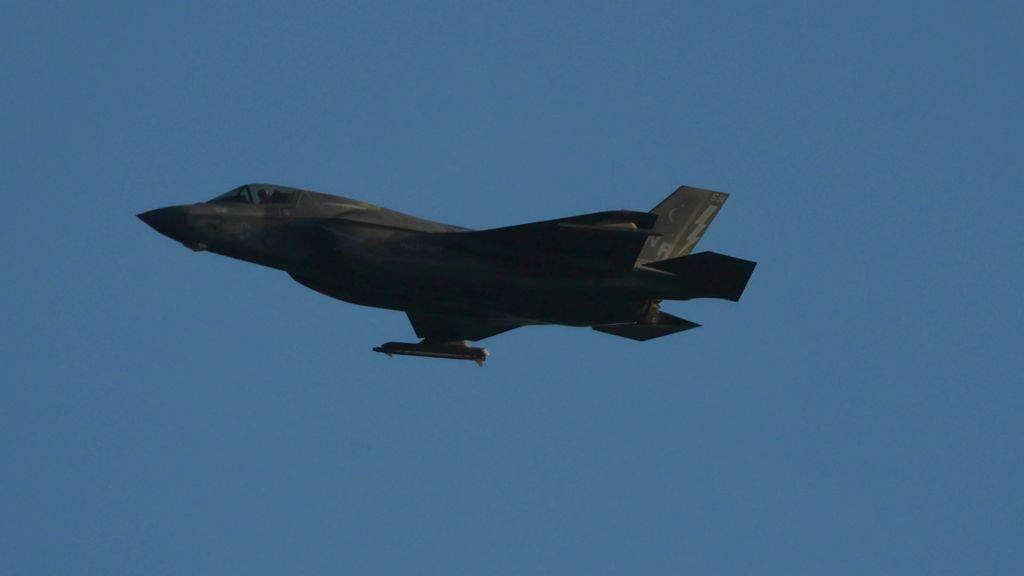
US Central Command (Centcom) confirmed Wednesday that it had initiated what it described as “additional self-defense strikes” targeting multiple sites across Iranian territory. In an official statement, the command said the operation was a direct response to what it called Iran’s “unwarranted and continued aggression” against US interests in the region.
The cycle of escalating tit-for-tat attacks began earlier this week, when a US military helicopter was shot down in an assault that US officials have blamed on Iran-backed forces. Shortly after the downing, the Islamic Revolutionary Guard Corps (IRGC) launched retaliatory strikes against multiple US military bases spread across the Middle East, raising the stakes in the rapidly deteriorating standoff.
Wednesday’s US strikes triggered reports of loud explosions across several Iranian locations, including the Gulf island of Qeshm, as well as the southern port cities of Bandar Abbas and Sirik. In an immediate and defiant response to the new attacks, Iran’s top military leadership issued a sweeping announcement that it would block all maritime traffic passing through the Strait of Hormuz, one of the world’s most critical global oil and commercial shipping chokepoints. “The Strait of Hormuz has been completely closed to all types of vessels, including commercial ships,” the statement read.
Hours before US forces launched the new strikes, President Trump had already signaled the coming escalation in a post on his Truth Social platform. “We hit them hard yesterday and we’re going to hit them hard again today,” Trump wrote, adding that Iranian leaders had “taken too long to negotiate a deal” to end the ongoing conflict.
The Trump administration’s framing of the strikes has drawn sharp pushback from Iranian officials. Iran’s foreign ministry has accused the US of actively undermining diplomatic efforts through its conflicting messaging and unilateral military action. Iranian President Masoud Pezeshkian reiterated his country’s resolve in the face of US pressure, saying that Iran “will stand firm against any pressure or threat.”
US Defense Secretary Pete Hegseth defended the operation in comments following the strikes, confirming that US warplanes targeted key Iranian infrastructure. Hegseth said that Iran had been offered a clear opportunity to reach a negotiated settlement but had failed to take that path, noting that Trump had explicitly warned of renewed attacks if no progress toward a peace deal was made.
The current escalation marks a major breakdown of the fragile truce reached between Washington and Tehran back in April. That ceasefire was initially intended to last two weeks, and while both sides engaged in intermittent low-level fire over the following months, neither side returned to large-scale open conflict. In recent weeks, however, efforts to broker long-term peace talks between the two governments have stalled, creating the conditions for the sharp resurgence in hostilities seen this week.