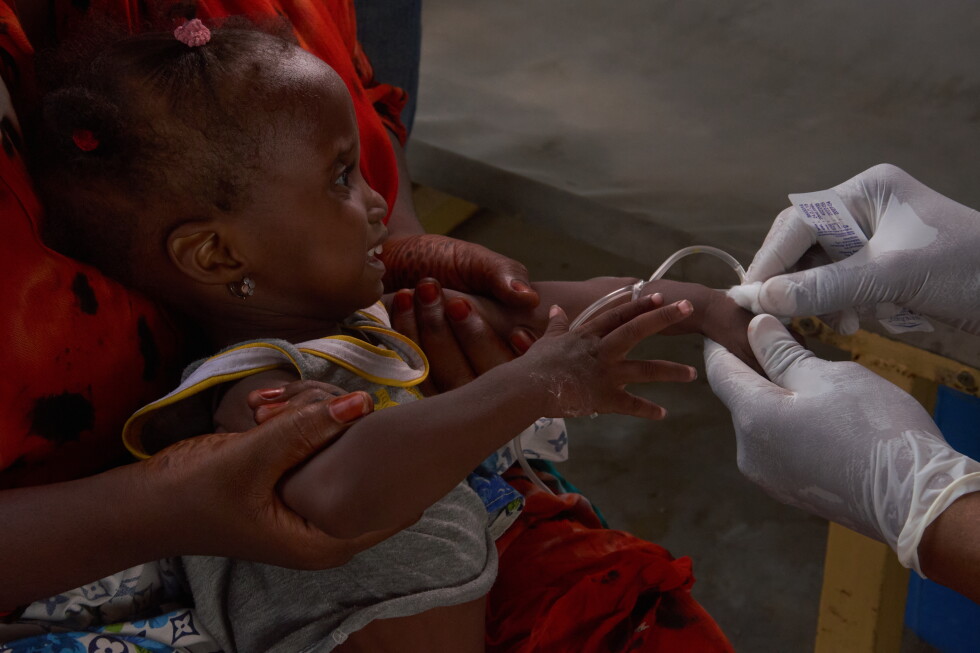
MAIDUGURI, Nigeria – A rapidly spreading cholera outbreak that emerged in early May in northeastern Nigeria’s Borno State has already claimed 74 lives and sickened more than 7,000 people, international medical humanitarian organization Doctors Without Borders (MSF, by its French acronym) confirmed in a briefing Tuesday.
The public health crisis has been recorded across 14 of the state’s 27 local government areas, hitting communities already grappling with health systems gutted by nearly 20 years of violent insurgency led by extremist group Boko Haram. Decades of conflict have left basic infrastructure in the region decimated, leaving populations uniquely vulnerable to preventable waterborne diseases like cholera.
Cholera is a recurring endemic and seasonal health threat across Nigeria, a nation where systemic gaps in water access persist. Official 2020 Nigerian government data shows just 14% of the country’s 200+ million residents have access to reliably managed safe drinking water services. These gaps are far more severe in Borno State, both in the overcrowded state capital Maiduguri and in isolated rural communities. Many remote settlements sit far outside the effective reach of public health authorities, leaving them with virtually no functional sanitation or hygiene infrastructure.
MSF reports that it has already treated 7,439 cholera patients at its treatment facilities in the region, averaging 185 new patient admissions every day since the outbreak began. Last Friday alone, the organization recorded 500 new patients – the highest single-day caseload recorded since the outbreak started.
Jessie Kurnurkar, MSF project coordinator in Borno, told reporters multiple overlapping factors are fueling the outbreak’s rapid spread. “Open defecation is making it worse also, and there are fewer aid partners operating on the ground,” Kurnurkar explained. “By the time we receive word of cases in remote communities, local transmission has already occurred, and it becomes extremely difficult to contain the response – the spread has already gained too much traction.”
The Associated Press spoke with patients receiving care at MSF’s Maiduguri treatment center, who shared harrowing accounts of the disease’s rapid onset. Aisha Ibrahim, one of the cholera patients currently admitted to the facility, said she had experienced nonstop watery diarrhea since first falling ill, and has now been in care for more than four days. “When they initially discharged me, the vomiting stopped, but as soon as I got home, I started stooling again, and it became so severe I had to be rushed back to the center,” Ibrahim said.