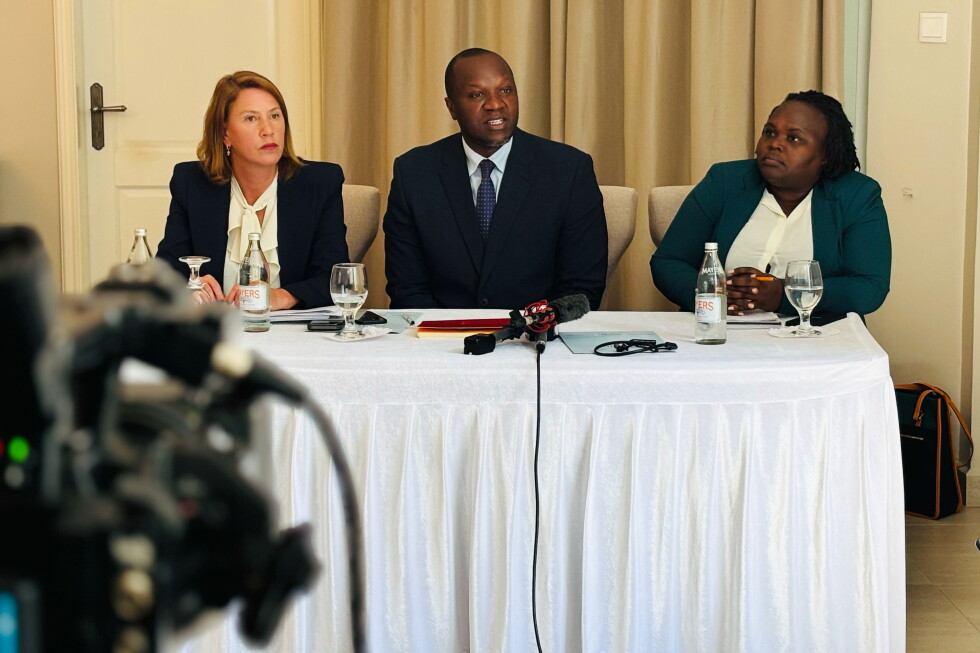
NAIROBI, Kenya — In a groundbreaking push for global accountability, 12 survivors of alleged atrocities tied to Sudan’s ongoing civil war have submitted a formal complaint to Kenyan prosecutors, demanding investigations into widespread torture, sexual violence, and other grave crimes allegedly carried out by members of Sudan’s Rapid Support Forces (RSF). This filing marks the first known attempt to prosecute RSF members outside of Sudan’s borders, opening a new chapter in efforts to end impunity for war crimes in the conflict that has plunged the country into catastrophe.
The RSF, a powerful paramilitary force that has been locked in a brutal open conflict with Sudan’s regular military since April 2023, has faced repeated accusations of war crimes and crimes against humanity from global human rights bodies and international observers. The complaint, filed by Switzerland-based international legal advocacy group Legal Action Worldwide, documents horrific abuses allegedly committed by RSF members between April 2023 and March 2025, when the paramilitary controlled Khartoum and much of its surrounding areas.
Survivors detail being held in dehumanizing detention conditions, with little to no access to adequate food, clean water, or functional sanitation. They allege systemic physical abuse including beatings, burnings, suffocation, electric shocks, and widespread sexual violence including rape. Multiple survivors told investigators they were forced to remove and transport the bodies of deceased detainees from RSF detention facilities. The legal filing asks Kenya’s Director of Public Prosecutions to approve formal charges against 10 named RSF members, several of whom are suspected to currently reside within Kenya’s borders.
The case carries unique diplomatic and political weight: the RSF has long maintained documented ties to the Kenyan government, and Kenyan President William Ruto previously hosted RSF leader Gen. Mohamed Hamdan Dagalo for peace negotiations, a decision that sparked sharp international diplomatic tension. The Associated Press has reached out to the RSF for comment on the allegations, but no response has been issued as of yet.
Legal Action Worldwide founder Antonia Mulvey argues that Kenya is uniquely positioned to hear the case under its 2008 International Crimes Act, which grants domestic courts jurisdiction over severe international crimes regardless of where they were committed. “For Kenya, despite the sensitivity of the matter, it is an opportunity to lead in the fight against impunity,” Mulvey said in an interview. “Authorities can now demonstrate the strength of the country’s investigative, prosecutorial, and judicial institutions in addressing the most serious international crimes, regardless of where they are committed.”
Survivors have little chance of seeing justice inside Sudan, Mulvey explained, as the country’s collapsed justice system is currently “inaccessible, unavailable, and ineffective” across large swathes of territory controlled by the warring parties. She added that the International Criminal Court’s existing jurisdiction over Sudan is limited exclusively to crimes committed in the Darfur region, leaving abuses in and around Khartoum unaddressed by the global court.
Willis Otieno, the Kenyan-based lawyer who submitted the complaint to national prosecutors, confirmed that multiple lines of evidence indicate several persons of interest in the case have established ties to Kenya, and that the country’s existing legal framework is fully equipped to handle the investigation and prosecution. Otieno expressed confidence in Kenya’s Office of the Director of Public Prosecutions, noting: “We have faith that the office will act. For now, let’s treat them with that goodwill.”
The RSF traces its origins to the notorious Janjaweed Arab militias that carried out widespread ethnically motivated atrocities against East and Central African communities in Sudan’s western Darfur region in the early 2000s. Since the 2023 outbreak of full-scale war, the group has been repeatedly accused of mass atrocities including targeted killings, gang rape, and ethnic cleansing across Sudan, including a devastating October 2025 assault on the Darfur city of el-Fasher that killed more than 6,000 people in just three days. UN-appointed independent experts have labeled the offensive as bearing all the “hallmarks of genocide.” The United States’ Biden administration has formally designated the RSF’s abuses as genocide and imposed targeted sanctions on Dagalo and other senior RSF commanders.
Since the war began, the Armed Conflict Location & Event Data Project, a U.S.-based independent conflict monitoring organization, estimates that at least 59,000 people have been killed in the fighting. The group has warned that the actual death toll is almost certainly far higher, as widespread insecurity blocks accurate reporting of casualties across most of Sudan. The conflict has spawned the world’s worst current humanitarian crisis, according to United Nations data: roughly 34 million Sudanese — nearly two-thirds of the country’s entire population — require urgent life-saving humanitarian assistance.
Reporting for this story was contributed by Magdy from Cairo, Egypt.