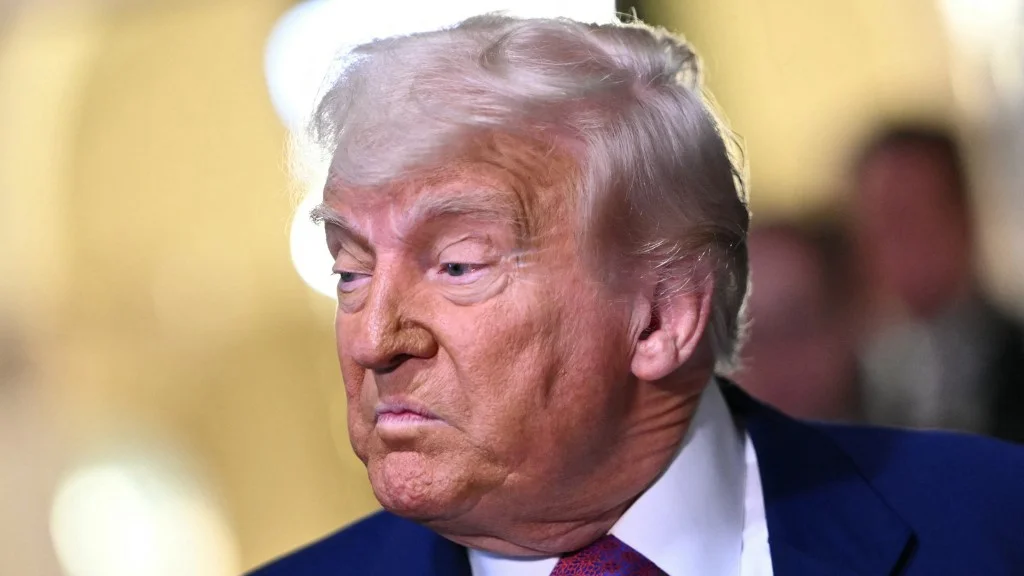
A fragile regional ceasefire between Iran and Israel has collapsed into open tit-for-tat missile exchanges, prompting outgoing U.S. President Donald Trump to issue urgent public and private calls for an immediate end to hostilities amid growing global alarm over wider conflict.
In a public post to his Truth Social platform over the weekend, Trump stressed that the two nations “must immediately stop ‘shooting’”, as cross-border attacks reignited long-simmered tensions that a fragile April ceasefire had temporarily paused. The escalation comes even as the Trump administration has pursued behind-the-scenes diplomatic efforts to lock in a new peace deal, with the president directly pressuring Israeli Prime Minister Benjamin Netanyahu to hold off on retaliatory strikes, according to senior U.S. administration sources.
The current cycle of violence was triggered Saturday when Israeli warplanes struck Beirut’s southern suburbs, killing at least two people and wounding 20 more. In a deliberate, proportional response, Iran launched a barrage of missile strikes toward northern Israel on Sunday, fulfilling long-stated pledges to retaliate for attacks on Iranian interests and allied assets. Despite Trump’s last-minute phone call urging Netanyahu to stand down to save faltering peace negotiations, Israel launched its own wave of counter-strikes against targets inside Iran.
A senior anonymous U.S. official outlined that Trump told Netanyahu during the Sunday call that Washington was “close to doing something good in terms of a deal”. The official added that Netanyahu initially pushed back against the request before offering a tentative, non-binding agreement to hold fire, and confirmed the Trump administration never issued “the green light” for Israel’s strike on the Lebanese capital. Ahead of the call, Trump had already publicly expressed dissatisfaction with the Beirut attack, telling Fox News he was “not happy” about the strike on Lebanon’s capital. In separate comments to the Financial Times, Trump also claimed Netanyahu would have “no choice” but to accept a negotiated deal with Iran, asserting that “I call the shots” on regional diplomacy.
The failed diplomatic push has drawn sharp criticism from political opponents in Washington. U.S. Democratic Senator Chris Murphy argued that the new wave of cross-border attacks compounds what he called Trump’s diplomatic “humiliation”, marking a clear failure of the administration’s efforts to constrain Israeli military action.
Iran has meanwhile formally pinned responsibility for the escalation on the United States, in comments carried by the country’s state-run Tasnim news agency. Foreign ministry spokesperson Esmaeil Baghaei noted that Washington is a signatory to the April 8 ceasefire agreement, saying “Whatever happens in the region… the direct responsibility of the United States is established, and it will also bear responsibility for the consequences of any escalation.” He added that the original negotiation framework was intended to end broader hostilities against Iran and resolve the ongoing conflict in Lebanon as core components of the ceasefire deal.
On Monday, multiple reports from Iran’s official IRNA news agency confirmed widespread “powerful explosions” were heard across key Iranian cities including Tehran, Isfahan, and Tabriz. Israeli military officials confirmed they had targeted military sites across western and central Iran, including a strike on a major petrochemical facility in the port city of Mahshahr. To date, neither side has released official casualty figures from the latest exchange of strikes, though emergency management and hospital systems in both countries have activated full response protocols to prepare for the risk of prolonged open hostilities.
In response to Israel’s strikes, Iran’s Islamic Revolutionary Guard Corps (IRGC) launched a coordinated retaliatory operation codenamed “Operation Nasr”. The IRGC announced its aerospace division fired precision missiles at two key Israeli air bases: Nevatim Air Base and Tel Nof Air Base, saying the operation was launched in response to earlier Israeli strikes on Iranian radar installations across multiple locations. This marked the first major direct Iranian attack on Israeli territory since the April ceasefire came into force. Israeli air defense systems reported intercepting roughly 10 incoming missiles bound for northern Israel, with no casualties reported on the Israeli side as of Monday morning.
In an official statement, the IRGC noted the operation was the first phase of a broader retaliatory campaign, added that the strike was dedicated to fallen Iranian service members killed during the previous year’s 12-day war, and carried out under the alternate code name “Ya Heydar Karrar”. The group stressed all of its combat units remain at full operational readiness to respond to any further escalation, warning that additional strikes will follow if Israel continues its military campaign across the region.