One of Europe’s most iconic medieval cultural artifacts, the 11th-century Bayeux Tapestry that chronicles the 1066 Norman Conquest of England, is set to make a historic journey from its permanent home in the French town of Bayeux to London’s British Museum for a major exhibition opening this September. French Culture Minister Catherine Colonna confirmed the unprecedented loan in a Wednesday press conference in Paris, noting that the landmark arrangement was agreed by President Emmanuel Macron to strengthen ties between France and the United Kingdom.
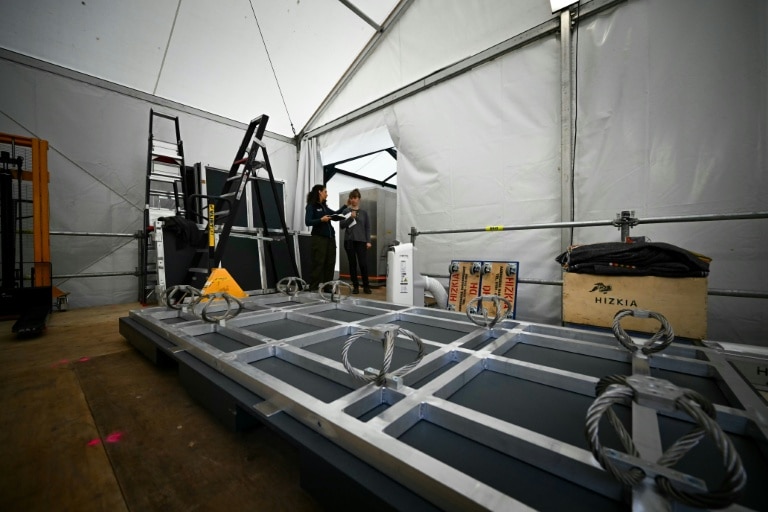
To safeguard the fragile 70-meter embroidery, which has already sustained more than 24,000 stains, 9,000 holes and 30 tears after nearly a thousand years of existence, every possible protective measure has been put in place. The exact travel date will remain undisclosed to the public for security reasons, and the artifact will be transported in a custom-built shock-absorbent container specifically engineered to minimize vibration and absorb harmful impacts. Officials revealed that experts completed a full trial run last month using a full-scale replica of the tapestry to test the logistics of the move, with a second round of testing carried out in April.
A newly published culture ministry study of the April trial found that the specially designed crate can absorb up to 96 percent of force from any major impact encountered along the entire route. While Minister Colonna acknowledged that absolute zero risk can never be guaranteed for any cross-border movement of ancient art, she emphasized that this relocation has undergone more pre-transport testing, protocol development and risk assessment than any single artwork relocation in modern history. She compared the custom crate to a carefully prepared cradle for a newborn baby, rejecting recent suggestions from skeptical experts that the French cultural authorities have acted incompetently in approving the move as “particularly unfair.”
After its exhibition run at the British Museum concludes, the Bayeux Tapestry will return to France in late 2027, at which point it will undergo a long-planned major restoration project that was delayed to accommodate the cross-Channel loan.