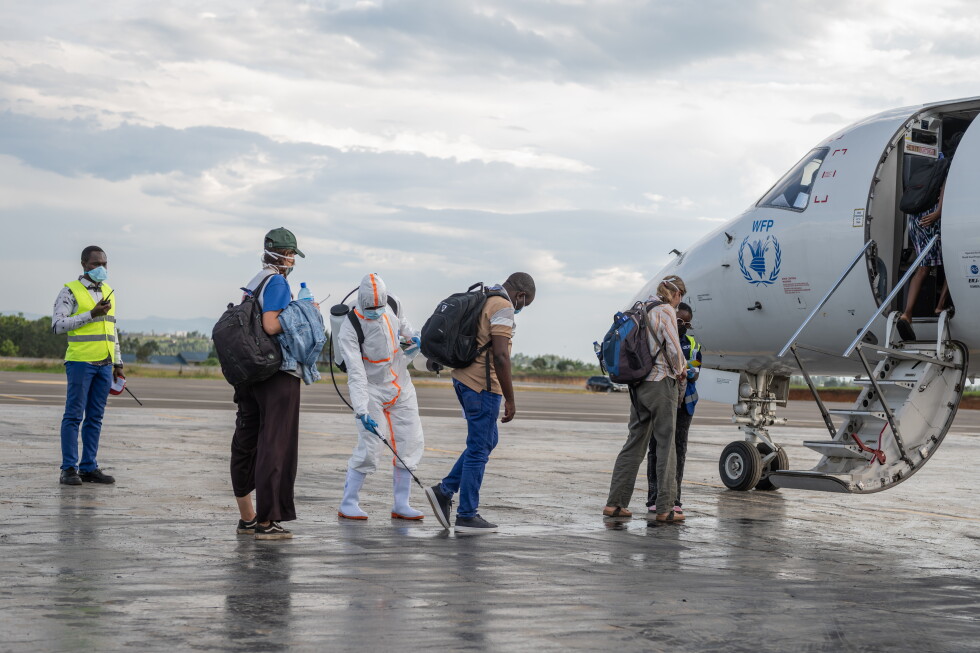
The ongoing Ebola outbreak in eastern Democratic Republic of the Congo (DRC) continues to pose a severe public health challenge, with global health authorities acknowledging they are playing catch-up after the virus gained an unchallenged head start in the vulnerable region. World Health Organization (WHO) Director-General Tedros Adhanom Ghebreyesus told reporters Wednesday that while incremental progress has been made through improved diagnostic testing, response efforts still lag behind the spread of the disease.
The outbreak, caused by the rare Bundibugyo strain of Ebola for which no licensed vaccine or targeted treatment exists, was first formally announced in mid-May. As of the latest official data from Congolese health authorities, 344 confirmed cases and 60 confirmed deaths have been recorded across three eastern provinces: Ituri, North Kivu, and South Kivu. The number of pending suspected cases has dropped sharply from 906 to 116, a shift that reflects expanded testing capacity rather than a sudden decline in transmission. The outbreak has already spilled across the border into neighboring Uganda, where the country’s ministry of health confirmed 15 cases and one fatality as of Tuesday.
Long before the outbreak was officially confirmed, the virus circulated undetected for weeks in a region already crippled by years of armed conflict and systemic instability. Medical resources including personal protective equipment for frontline workers have been urgently deployed to the affected zone, but multiple structural barriers continue to hinder an effective response. One small bright spot has emerged: at least five patients have already recovered from infection, offering rare encouragement to response teams.
Even as diagnostic capabilities improve, one of the most critical tools for stopping Ebola—contact tracing to identify and isolate new potential cases early—remains far below the threshold needed to contain transmission. Tedros noted that only around 45% of known contacts of confirmed cases are currently being actively monitored. To stop chains of transmission, public health experts agree that contact tracing coverage needs to exceed 90%. Persistent insecurity, mass population displacement, and the highly mobile nature of communities in the border region have made systematic contact tracing extraordinarily difficult.
Eastern DRC has long been plagued by active armed insurgencies, including the Rwanda-backed M23 rebel group that captured major urban centers Goma and Bukavu more than a year ago, and the Allied Democratic Forces, an Islamist insurgent group aligned with the Islamic State that operates across the DRC-Uganda border. Decades of ongoing violence have left millions of displaced people living in overcrowded, under-resourced settlements that create ideal conditions for infectious disease to spread. Beyond security challenges, response teams also face community resistance: misinformation that claims Ebola is not a real threat has kept some residents from seeking urgent medical care, and angry community members have attacked health facilities in disputes over access to the bodies of loved ones who died from the virus.
Doctors Without Borders (MSF) warned Monday that the true scale of the outbreak remains unclear, urging caution when interpreting official case counts due to extremely limited testing access and inability to safely reach many affected areas. The road to bringing a safe, effective vaccine to the region could take months, according to public health experts. Congolese epidemiologist Dr. Aruna Abedi, who has led responses to previous Ebola outbreaks in the country, told the Associated Press that developing and deploying a vaccine that meets rigorous scientific safety and efficacy standards cannot be rushed.
When asked about the controversial U.S.-operated Ebola quarantine facility in Kenya that has sparked widespread public protests, Tedros declined to criticize the operation, noting that “based on their risk assessment … they can do whatever they think is right for them.” The facility, which is reserved exclusively for U.S. citizens exposed to Ebola in the DRC outbreak, has drawn pushback from Kenyan activists and community leaders who argue it represents unnecessary risk and unequal treatment.