The ongoing Canada-U.S. tariff conflict sparked by U.S. President Donald Trump has reshaped the operations of an American liquor company, driving a surprising shift in its manufacturing strategy that highlights the far-reaching ripple effects of cross-border trade disputes.
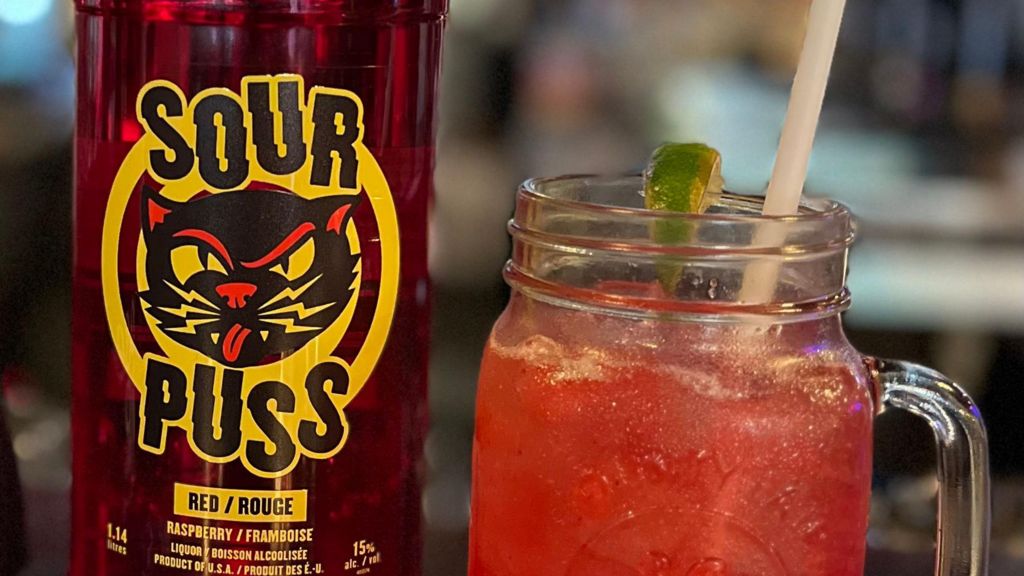
Minnesota-based family-owned Phillips Distilling Company found itself in an unexpected crisis starting in March 2025, when one of its most popular products, the bright, fruit-flavored liqueur Sour Puss, was suddenly pulled from shelves across most Canadian provinces. What many Canadian consumers like Stephanie Intrevado never knew was that their beloved cult favorite, a staple of university social life, was actually produced in the United States. Intrevado, a 35-year-old Quebec resident who has collected nearly every Sour Puss flavor since she turned 18, says she was shocked when she learned the brand’s origin – and terrified that she would lose access to it entirely.
The provincial boycott of U.S.-made liquor was a direct retaliatory measure against Trump’s new tariffs on key Canadian industries including automotive manufacturing, metals and lumber. Starting with Ontario, home to one of the world’s largest alcohol wholesale systems and a hard-hit auto sector, the boycott quickly spread to major provinces including Quebec and British Columbia. As of May 2026, only Alberta and Saskatchewan – which operate fully privatized liquor retail systems – still allow the sale of U.S.-produced alcohol. Provincial governments, which control alcohol import and sales regulation across most of Canada, hold full authority to restrict what products reach consumers, giving them the power to implement the boycott without federal approval.
For Phillips Distilling, the impact was catastrophic. Canada accounts for the overwhelming majority of global Sour Puss sales; CEO Andy England notes that the brand is effectively a Canadian cultural staple, with U.S. sales volume barely registering. After the boycott took effect, the company lost 70% of its Canadian business overnight, a hit England describes as an unmitigated disaster.
Faced with the collapse of their core market for Sour Puss, Phillips Distilling made a historic decision the company had never before considered: shift a portion of production across the border into Canada. Just weeks after provincial liquor boards halted orders, the company began exploring local manufacturing options. By October 2025, with no end to the trade dispute in sight, Phillips signed a production agreement with Montreal-based alcohol manufacturer Station 22.
The move has paid off. Quebec was the first province to allow the newly Canadian-made Sour Puss back onto shelves, and that approval paved the way for other provinces to follow suit. Today, the product is back in stores across most of Canada, and the company is now classified as a domestic producer for the Canadian market, putting it on a path to recover lost sales. For loyal fans like Intrevado, the return of Sour Puss was cause for celebration: she marked the occasion with an Instagram post featuring her first haul of new raspberry-flavored bottles, writing, “Oh how I’ve missed you.”
Experts note that Phillips Distilling’s ability to pivot makes it a unique case among U.S. alcohol producers hit by the boycott. Meredith Lilly, an international economic policy professor at Ottawa’s Carleton University, explains that unlike geographically-tied products such as Kentucky bourbon or California wine, Sour Puss has no inherent link to its Minnesota origin. The brand also faces little backlash from U.S. consumers because the vast majority of its sales are north of the border, eliminating reputational risk for the company. In an unexpected twist, Lilly adds, the boycott – which she calls an impulsive, heat-of-the-moment response to U.S. tariffs – has accidentally created an economic benefit for Canada by bringing new manufacturing jobs to the country.
Nearly 15 months after the boycott launched, a broader trade agreement between the two countries remains out of reach. The U.S. has repeatedly called the Canadian liquor boycott a major point of contention in ongoing negotiations, while Canadian Prime Minister Mark Carney has stated that provinces would only reconsider lifting the ban if Trump removes tariffs on key Canadian exports. U.S. Commerce Secretary Howard Lutnick has publicly denounced the ban as “outrageous” and “disrespectful.” Lilly cautions that because the final decision to lift the ban rests with individual provinces rather than the federal Canadian government, the boycott remains an unpredictable bargaining chip that is difficult to leverage in national negotiations.
This is not the first time Canada has targeted U.S. alcohol over tariffs during Trump’s presidency: during his first term, then-Prime Minister Justin Trudeau placed tariffs on Kentucky bourbon to pressure Republican-leaning states after Trump imposed steel levies on Canada. That dispute was resolved within a year, but the current conflict has dragged on with no clear resolution in sight. For Phillips Distilling, however, the shift to Canadian production is likely a permanent change. England says the past year of crisis has forced the company to restructure its long-term business model, and whatever outcome comes from ongoing trade negotiations, the production move is here to stay.