A year-long investigation by BBC World Service has uncovered a sharp, underdocumented surge in the popularity of misogynistic manosphere content across the Global South, tracing how algorithmic amplification, financial incentives, and shifting gender dynamics have turned once-marginalized anti-feminist rhetoric into a mainstream, lucrative industry. At the center of the trend is Luis Castilleja, a former aspiring Hollywood actor who now goes by the alias El Temach—Latin America’s largest manosphere creator, boasting more than 11 million followers across social platforms and an annual income from content alone that tops $1.5 million.
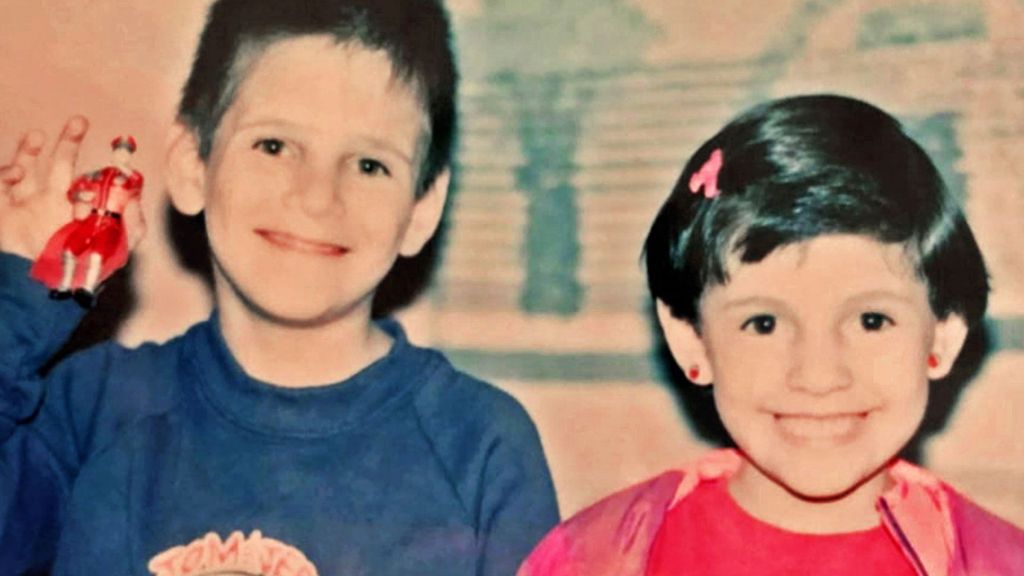
A decade ago, Castilleja was a free-spirited creative living a liberal lifestyle in Los Angeles, pursuing work as a performer after studying theater in Mexico City. But after struggling to land consistent roles and experiencing a painful breakup, he returned to Mexico and launched a social media channel in 2020 focused on male self-development. According to his sister Alex Castilleja, a Mexico-based design engineer, his early mission was rooted in good intentions: he wanted to help other young men process feelings of inadequacy and disappointment after life setbacks. That initial purpose quickly warped, however, as Castilleja realized the viral and financial potential of content that blamed women for men’s struggles.
Alex, who has not spoken to her brother in two years, says Castilleja openly admitted he was copying the playbook of Western manosphere figurehead Andrew Tate, whose controversial content had already gone viral globally. As algorithmic engagement rewarded increasingly extreme rhetoric, Castilleja doubled down on misogynistic talking points: he attacks single mothers as poor life choices, labels women who reject traditional gender roles as promiscuous unfit partners, and frames feminism as a movement that erases men’s legitimate struggles. Alex says her brother now suffers from a “Messiah complex,” convinced he is the sole figure who can fix modern men’s issues, and that much of his extreme rhetoric is tailored purely to game social media algorithms. “He believes some things – and others, he’s just experimenting what works best with the algorithm,” she told the BBC, describing his transformation as shocking and tragic, turning a once-close sibling relationship toxic.
El Temach is far from an isolated case. The BBC investigation analyzed 15 leading manosphere influencers based across Latin America, South and East Asia, and Africa, finding that their combined follower counts have tripled on average over the past three years. In Kenya, for example, influencer Andrew Kibe has become a household name, attracting more than 500 million views across hashtags linked to his content, with a fanbase of young men hungry for messaging about male empowerment. Like El Temach, Kibe repeatedly labels women gold diggers, attacks single mothers, and frames gender equality progress as discrimination against men.
Both influencers deny their content is misogynistic. El Temach initially agreed to participate in the BBC documentary before pulling out last minute, launching a profanity-laced rant against the outlet on a live YouTube stream. When confronted by reporters after his sold-out Las Vegas show, his security blocked access. His team has called the BBC’s estimates of his income “highly irresponsible” and categorically denied allegations that he promotes misogyny, calling the claims unfounded and out of context. Kibe went further, disputing the very existence of misogyny as a concept, telling the BBC: “No man hates a woman. We love you – we are like gods to you, worship us.”
Experts say the rapid growth of manosphere content in the Global South is directly tied to recent, rapid gains in gender equality across these regions. As more women enter higher education, the workforce, and positions of leadership, a subset of young men feel disenfranchised and invisible, a gap manosphere influencers have been quick to exploit. A 2025 global survey from King’s College London of more than 23,000 adults found that 57% of Gen Z men agree with the statement: “We have gone so far in promoting women’s equality that we are discriminating against men.” That belief is the foundational tenet of nearly all leading manosphere creators’ messaging.
“He focuses a lot on men as having been dismissed by society, and [the narrative that] women have, you know, been the stars of the show,” explained Dr. Ali Siles, a gender and masculinities researcher at the National Autonomous University of Mexico. “He has this message of: ‘You do matter, believe in yourself.’” For many young men who feel abandoned by traditional support systems, that message resonates. The BBC gained full access to the multi-year social media histories of two Gen Z followers—19-year-old Mexican Julian, and Kenyan university student Ryan—to trace how users drift into manosphere content. Julian, who first started engaging with fitness and car content at 16, encountered El Temach via Instagram’s recommendation algorithm within months; today, he has liked more than 3,000 videos from manosphere creators, and says he believes “feminism has made men’s problems invisible.” Ryan, raised by a single mother, turned to Kibe’s content while searching for guidance on masculinity and success from a father figure, calling the influencer a surrogate for the parental guidance he lacked.
But that validation of men’s struggles comes at a steep cost, researchers warn: it is built on the dehumanization and subjugation of women, rolling back decades of progress toward gender equality by pushing women back into restrictive, stereotypical roles. The investigation found real-world harm linked to this content, including intimate partner abuse. Fernanda, a doctor based in Mexico City, told the BBC her ex-partner—also a doctor—used El Temach’s messaging to justify years of controlling behavior. On the day they separated, she says he locked her in a room and forced her to watch four hours of El Temach’s videos, telling her she was the one at fault for their relationship problems, before threatening to kill her. “I think [my former partner] was already a sexist who was hiding it. But El Temach influenced him to no longer feel bad about it,” she said.
For Alex Castilleja, her brother’s rise is a personal and public warning: it shows how the allure of fame and fortune can push even the most unlikely people into promoting harmful rhetoric that damages lives. “I think he knows what he’s doing on some level. I think that he sees and realises that if he ever owns up to what he did, it’ll destroy him,” she said. “He drifted… into this weird dystopic hell and he’s just this… violence robot. It’s very sad.”