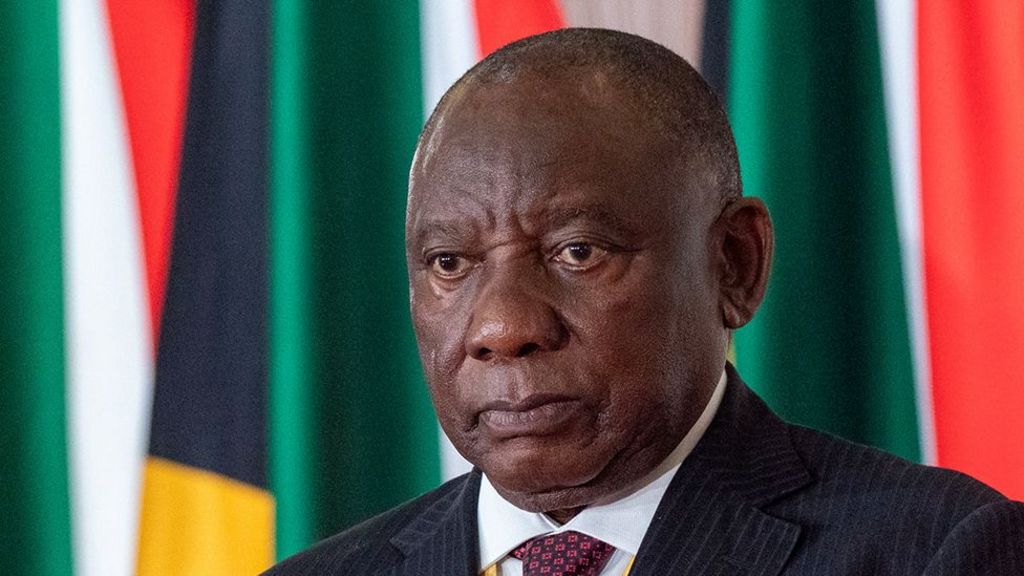
South African President Cyril Ramaphosa has launched a formal legal challenge to overturn a parliamentary-commissioned investigative report that has cleared the path for lawmakers to reopen impeachment proceedings against him, marking the latest twist in the years-long political scandal dubbed ‘Farmgate’ by local media. The controversy first emerged in 2020, when an alleged theft of $580,000 in foreign currency from a sofa at Ramaphosa’s private Phala Phala game farm in Limpopo province came to light. In 2022, an independent advisory panel assembled by parliament concluded there was credible evidence suggesting Ramaphosa may have committed severe misconduct and violated his presidential oath of office over the incident, opening the door for potential impeachment. Ramaphosa has repeatedly denied any wrongdoing, stating the seized cash was legitimate revenue from the sale of buffalo on his farm, in line with his previous public statements. The case has taken on new urgency following a landmark Constitutional Court ruling earlier this month, which found that parliament acted unconstitutionally back in 2020 when it voted down a motion to launch a formal impeachment inquiry after the panel released its initial findings. At the time of that 2020 vote, Ramaphosa’s long-ruling African National Congress (ANC) held an absolute parliamentary majority that allowed the party to block the inquiry from moving forward. However, the political landscape shifted dramatically after South Africa’s 2024 general election, when the ANC lost its decades-long parliamentary majority for the first time, forcing Ramaphosa to lead a fragile multi-party coalition government. In his court filing submitted Tuesday to the Cape Town High Court, Ramaphosa argued the 2022 independent panel fundamentally overstepped its authority, misinterpreted evidence presented during its investigation, and wrongly characterized the four core charges ranging from constitutional violations to official misconduct brought against him. In his submission, Ramaphosa emphasized that he did not bring the legal action lightly, and is seeking to have the controversial report entirely set aside, which would nullify the newly revived impeachment process. The South African parliamentary speaker has already moved forward to assemble a 31-member impeachment committee, with representatives drawn from 16 different political parties across the country’s ideological spectrum. The governing coalition’s lead party, the ANC, has nine seats on the committee. The panel’s primary mandate will be to assess whether there are sufficient legal and factual grounds to proceed with full impeachment proceedings against the sitting president. South African law imposes strict regulations on holding foreign currency, requiring any amount of foreign exchange to be deposited with a registered authorized dealer such as a commercial bank within 30 days of being acquired, a rule that lies at the heart of the allegations against Ramaphosa. As the legal process unfolds, the outcome of this challenge will not only determine Ramaphosa’s political future but also shape the stability of South Africa’s first post-majority coalition government, a pivotal shift in the country’s post-apartheid political landscape.
South African president mounts legal challenge against report that could lead to impeachment