As the Democratic Republic of the Congo (DRC) grapples with a rapidly accelerating Ebola outbreak that has already claimed hundreds of lives, a senior leader from international medical charity Médecins Sans Frontières (MSF) has sounded the alarm over crippling gaps in the global response to the crisis.
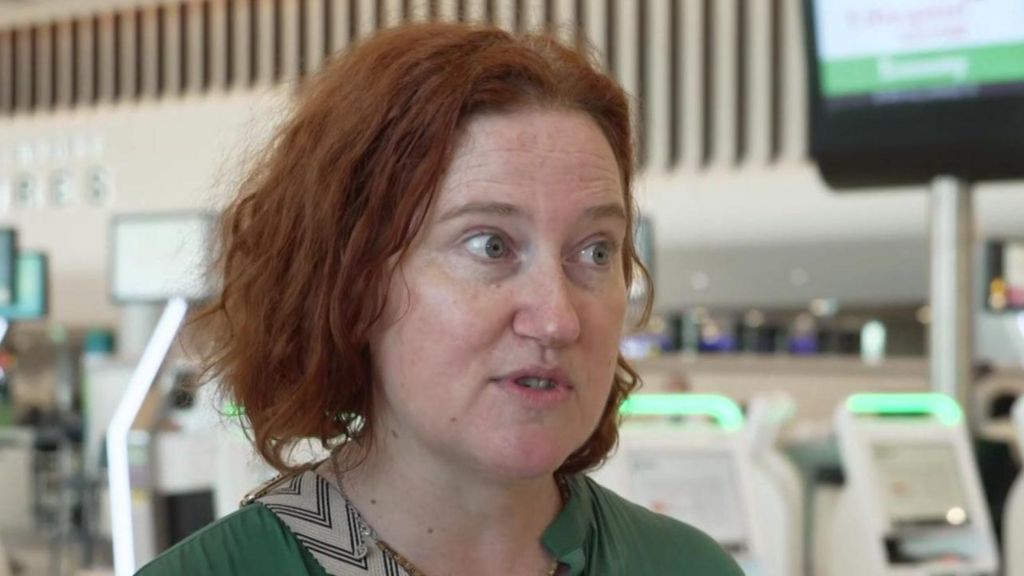
Kate White, an MSF programme manager with hands-on experience responding to previous Ebola outbreaks across Africa, departed Manchester Airport on Sunday to join the international relief mission deployed to the affected region. In the lead-up to her departure, she outlined the cascading challenges that aid groups are facing on the ground, starting with a critical shortage of deployable resources.
Already, the outbreak has taken a devastating toll on frontline responders: three Red Cross volunteers, who were working to manage remains of Ebola victims — one of the highest-risk roles in any outbreak response — died earlier this month after contracting the virus. Official figures place the current toll at more than 200 suspected deaths and over 850 suspected cases across the affected regions, with the World Health Organization (WHO) confirming last week that transmission is outpacing early projections. The WHO has already designated the event a Public Health Emergency of International Concern (PHEIC), the highest level of global public health alert.
What makes this outbreak uniquely dangerous, responders and public health officials agree, is the absence of ready-to-use medical tools to fight it. No approved vaccine exists for this specific strain of Ebola, and while experimental candidates are in late-stage development, none have been cleared for widespread deployment. There are also no approved antiviral treatments targeted at this variant, leaving clinicians only able to provide supportive care rather than curative treatment.
White called the lack of accessible, scalable countermeasures decades after the first major Ebola outbreaks a stark indictment of global public health priorities. “After all these years of responding to Ebola outbreaks across the continent, we still don’t have comprehensive medical countermeasures — vaccines, treatments, rapid-rollout diagnostic testing — that we can deploy immediately,” she said. “That says a great deal about the current state of global health equity.”
She also raised alarms over additional logistical barriers, including airspace closures that are slowing the movement of frontline workers and critical life-saving supplies into affected zones. “The sheer volume of resources we need to get into the DRC right now is massive, and any delay puts more lives at risk,” she added.
Beyond treatment and supplies, White emphasized that major improvements to diagnostic capacity are urgently needed across all affected geographic areas. Faster, more widespread testing ensures that patients without Ebola are not unnecessarily held in treatment centres, allowing them to return to their families quickly once they recover from other unrelated illnesses. Current testing gaps mean that goal remains out of reach, she said.
A years-long pattern of small, contained Ebola outbreaks in remote rural African regions has shifted in recent decades, as urbanization brings growing human populations into closer contact with the natural animal reservoirs that host the virus. Ebola, a viral hemorrhagic fever that jumps from animals to humans, typically causes flu-like symptoms including fever, headache and fatigue that emerge between 2 and 21 days after exposure. As the disease progresses, patients develop vomiting, diarrhoea, and in severe cases organ failure and uncontrolled bleeding. The virus spreads through direct contact with infected bodily fluids such as blood or vomit, making proper personal protective equipment for frontline workers non-negotiable.
This specific outbreak carries additional unique challenges: the epicentre is located in a conflict-affected region of the DRC, where insecurity complicates access for aid workers, and the virus circulated undetected for a significant period of time before being identified. “By the time we picked it up, it had already been spreading for quite a while, which means we don’t have a full picture of all transmission chains,” White explained. “Without that clarity, getting the outbreak under control becomes far more difficult.”
As responders on the ground work to screen travellers, trace contacts, and slow transmission, White stressed that immediate scaled-up support from the international community is critical to turning the tide of the outbreak.