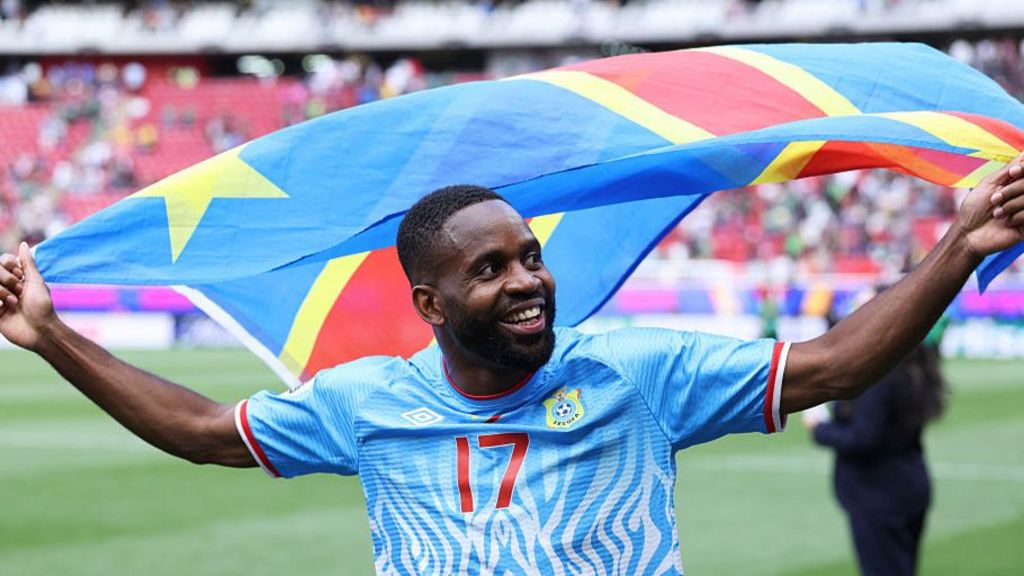
For the first time in 52 years, the Democratic Republic of Congo (DR Congo) has secured a spot at the FIFA World Cup, marking a historic milestone for the Central African nation’s national football program. But the long-awaited return to football’s biggest global stage has been overshadowed by a growing public health crisis, forcing a last-minute change to the team’s pre-tournament training plans.
Originally scheduled to host its pre-World Cup training camp in the capital city of Kinshasa, the DR Congo men’s national football team has confirmed it will relocate all onshore preparations to Belgium, after an alarming Ebola outbreak in the country’s eastern provinces spread to become a globally recognized public health emergency. As of recent official counts, the outbreak has been linked to 139 deaths out of roughly 600 suspected cases of infection, according to local health authorities.
The outbreak is being driven by the rare Bundibugyo strain of the Ebola virus, a variant with no currently approved vaccine available for widespread use. The World Health Organization (WHO) announced last month that the event qualifies as a “public health emergency of international concern” (PHEIC), the organization’s highest level of alarm for global health threats, though officials have stressed that the outbreak does not yet meet the criteria to be classified as a pandemic. WHO experts have also warned that developing a targeted, deployable vaccine for the Bundibugyo strain could take as long as nine months to complete, leaving local containment efforts stretched thin in the near term.
Jerry Kalemo, national team spokesperson, confirmed to international media outlets that despite the disruption to domestic training plans, all pre-tournament friendly matches scheduled across Europe will proceed as originally arranged. The Leopards, as DR Congo’s national team is commonly known, are set to face Denmark in Liege on June 3, followed by a matchup against Chile in the Spanish coastal city of Marbella on June 9 as they build match fitness ahead of the World Cup finals.
Back in DR Congo, domestic government and public health teams are fully focused on containing the outbreak, with most available public resources diverted to slowing transmission and supporting affected communities. While the relocation of the national team’s training camp is a necessary precaution to protect the squad and avoid potential exposure to the virus, the entire DR Congo football community remains focused on the historic tournament ahead, which will see the country take the World Cup stage for the first time since its 1974 appearance in West Germany.