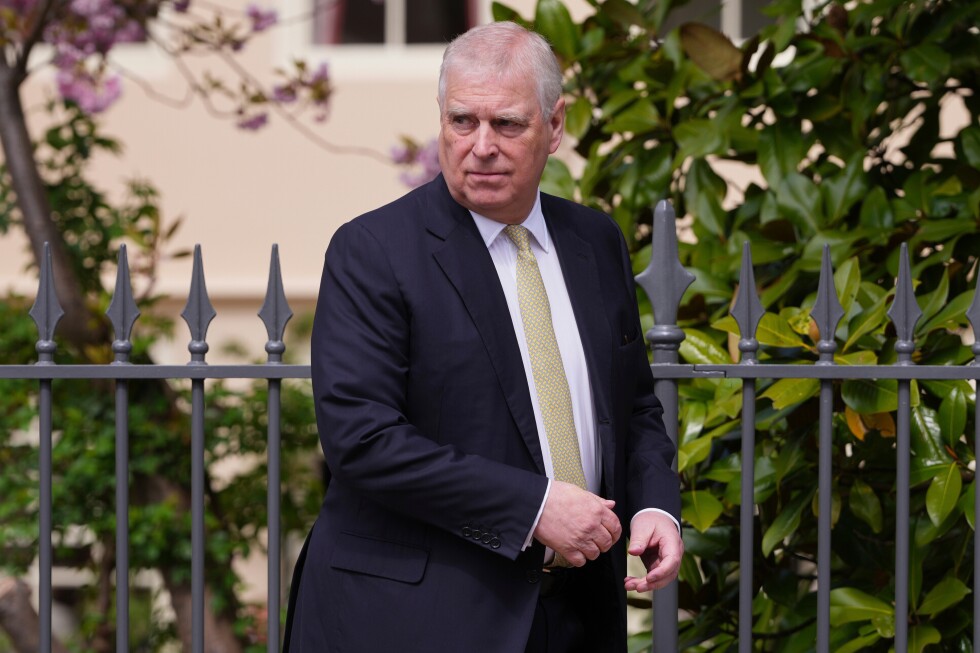
LONDON – The British government is scheduled to declassify and publish a set of confidential documents Wednesday detailing the appointment and tenure of King Charles III’s brother, the former Prince Andrew, now legally named Andrew Mountbatten-Windsor, as the UK’s international trade envoy. This long-awaited release comes just months after a cross-party group of UK lawmakers accused Andrew of prioritizing his controversial personal friendship with disgraced financier and convicted sex offender Jeffrey Epstein over national interests.
The push for full transparency began back in February, when parliament overwhelmingly approved a formal motion demanding the documents be made public. The vote followed a major development: Andrew was arrested on charges alleging that he shared sensitive government trade reports with Epstein during his time in the unpaid official role. The calls for publication gained even more urgency after the U.S. Department of Justice unsealed millions of pages of previously sealed court records tied to the Epstein case, which laid bare the disgraced financier’s extensive network of high-profile connections across the globe.
Those released U.S. documents detailed how Epstein leveraged his web of wealthy, powerful friends to accumulate influence and carry out a years-long pattern of sexual exploitation targeting young women and underage girls. Nowhere has the wave of revelations from the Epstein files caused more upheaval than in the UK, where the scandal has opened up fierce new debates about power, accountability and unregulated influence within the country’s so-called Establishment – the interconnected group of aristocratic elites, senior politicians and high-profile business leaders that have long shaped British public life.
During a heated parliamentary debate held to examine Andrew’s long-documented ties to Epstein, ministers and backbench lawmakers from across the political spectrum united to demand greater transparency and accountability from the British royal household. Trade Minister Chris Bryant was among the most vocal critics, arguing that Andrew engaged in a relentless pattern of self-serving behavior throughout his decade as a working royal. “Andrew was a rude, arrogant and entitled man who could not distinguish between the public interest he claimed to serve and his own private interest,” Bryant stated during the debate, adding that the former prince’s time in office was defined by a constant “self-enriching hustle.”
Andrew has already faced significant consequences for his ties to the scandal: he was stripped of all his honorary royal titles and public roles last year, as King Charles III moved quickly to distance the monarchy from the growing controversy surrounding the former prince. This is not the first time Andrew’s ties to controversial figures have cut short his public service: he originally held the post of special trade envoy from 2001 to 2011, when he was forced to step down over widespread concerns about his questionable links to autocratic figures in Libya and Azerbaijan.