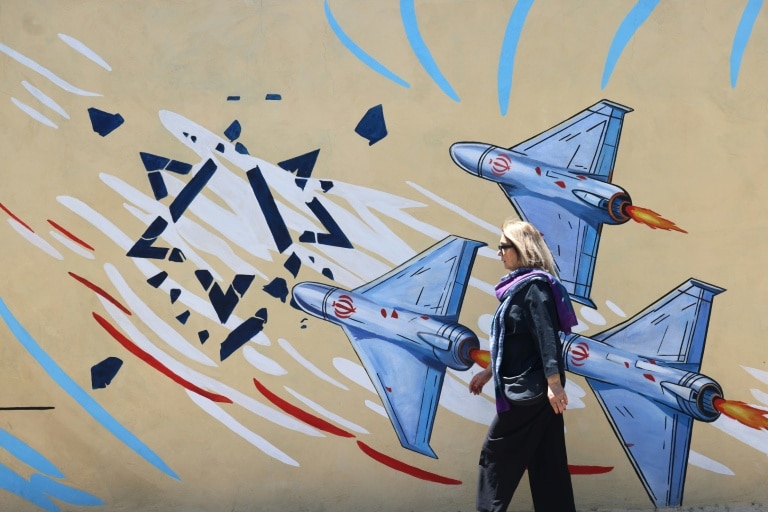
Tensions between Washington and Tehran have reignited this week, as top Iranian security officials issued a stark warning that any resumption of U.S.-Israeli military aggression would trigger a conflict that spills far beyond the Middle East. The new bellicose rhetoric comes just days after former President Donald Trump doubled down on threats of fresh military strikes against Iran if no negotiated settlement is reached, marking the latest volley in a war of words that has replaced open fighting since an April 8 ceasefire.
The brief open conflict between the two nations sent shockwaves through global energy markets, disrupting trade and driving up fuel prices worldwide. While neither side appears eager to return to full-scale combat, the ceasefire that paused active fighting has failed to resolve core disputes, leaving diplomatic negotiations led by Pakistani mediators as the only active path toward a lasting formal end to hostilities.
Trump, who has faced growing domestic pressure over surging U.S. energy costs tied to the conflict, doubled down on his hardline stance during remarks on Tuesday. Framing the current negotiating dynamic as one of U.S. dominance, he claimed Iran is desperate to reach an agreement because of battlefield losses. “You know how it is to negotiate with a country where you’re beating them badly. They come to the table, they’re begging to make a deal,” Trump said. He added that while he preferred to avoid renewed conflict, he remained open to ordering another major military strike if no acceptable deal materializes — a threat he has issued multiple times in recent weeks without following through.
Even as diplomatic efforts continue, top U.S. officials have kept military pressure in the public discourse. On Tuesday, Vice President JD Vance told reporters that while “a lot of good progress is being made” in talks, the U.S. military remains “locked and loaded” and ready to act if needed.
Iran’s Revolutionary Guards hit back with a forceful warning of their own in an official statement published Wednesday on their Sepah News website. The statement said that if U.S.-Israeli aggression against Iran resumes, a long-threatened regional war will this time spread far beyond Middle Eastern borders, and promised “devastating blows” to defeat attacking forces. “The American-Zionist enemy… must know that despite the offensive carried out against us using the full capabilities of the world’s two most expensive armies, we have not deployed the full power of the Islamic revolution,” the statement read.
Diplomatic activity has ramped up in recent days as Pakistan works to keep negotiations on track. Iran’s official news agency IRNA, citing anonymous diplomatic sources, confirmed Wednesday that Pakistan’s interior minister will travel to Tehran for talks this week — his second visit to the Iranian capital in less than a week.
The most intractable sticking point in ongoing talks remains the status of the Strait of Hormuz, the strategic waterway that carries roughly one-fifth of the world’s daily oil and liquefied natural gas supplies. While the ceasefire halted active fighting, it has not restored full transit through the strait, leaving global markets in limbo. As countries draw down pre-conflict oil stockpiles, fears of prolonged supply disruptions and sustained high energy prices have grown, with ripple effects felt across the global economy.
The impact of rising fuel costs is already being felt in vulnerable economies across the globe. In Kenya, which relies heavily on Gulf energy imports, public transport networks have completely shut down amid mass protests over fuel prices. Four Kenyan protesters were killed and more than 30 injured in Tuesday’s unrest, Kenyan Interior Minister Kipchumba Murkomen confirmed to reporters.