As one of the world’s most critical hubs for globally traded natural resources, Indonesia is embarking on a transformative policy shift that will tighten state oversight over its key commodity exports, mandating that all shipments of palm oil, thermal coal, iron alloys, and related critical minerals be handled exclusively by state-owned enterprises starting later this year.
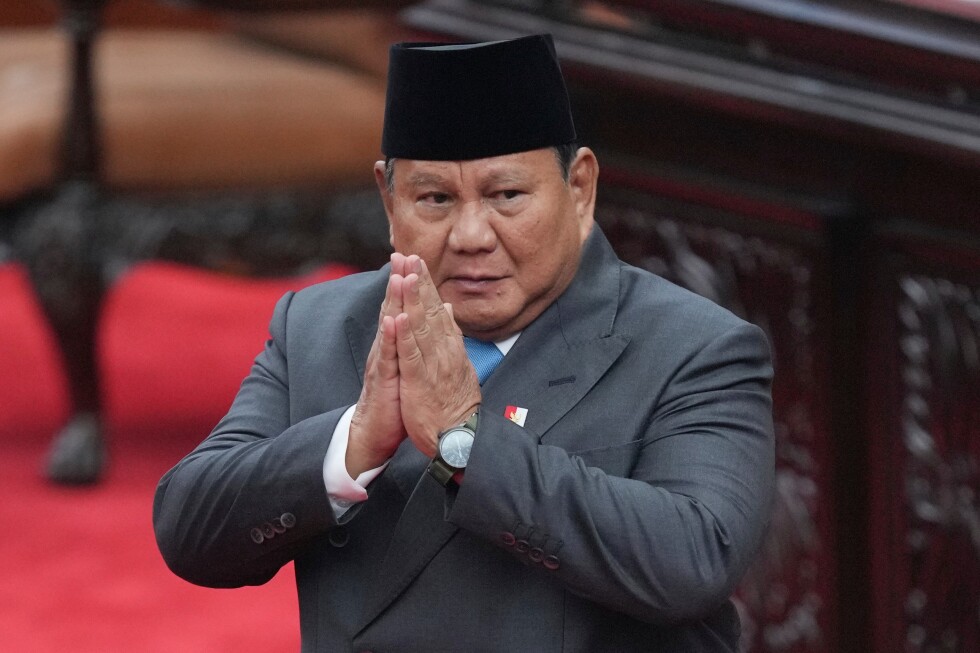
Speaking before Indonesia’s parliament on Wednesday, President Prabowo Subianto revealed that the nation has lost an estimated $908 billion in potential revenue over time due to systemic undervaluation of unprocessed and processed commodities sold to international buyers. He framed the widespread practice of underreporting export values to cut tax obligations as outright fraud and deception, arguing that expanded state control will direct billions in additional revenue into public government coffers to fund domestic programs and infrastructure development.
“The core goal of this new framework is to strengthen oversight and monitoring, while cracking down on three major systemic issues: under-invoicing, abusive transfer pricing, and the illegal diversion of export proceeds,” Prabowo told lawmakers, emphasizing that the policy centers on reclaiming sovereign control over resources that belong to the Indonesian public.
Indonesia holds an unparalleled position in global commodity markets: it is the world’s top exporter of palm oil and thermal coal, and holds the planet’s largest proven reserves of nickel—a mineral critical to manufacturing electric vehicle batteries and renewable energy storage systems that both China and the United States have actively sought to secure reliable access to. Prior to this new regulation, state-owned enterprises only managed a small fraction of the nation’s exports of these high-value commodities, according to industry analysts.
Dinita Setyawati, a researcher at Singapore-based energy think tank Ember, noted that centralized state control will strengthen Indonesia’s hand in future bilateral and multilateral negotiations with major global powers competing for access to its resource reserves. She added that the new regulatory framework could also help address decades of unregulated overexploitation that has driven severe environmental degradation across Indonesia’s resource-rich regions—though tangible progress on this front will depend entirely on consistent, transparent implementation.
“A core question around this policy is one of public trust,” Setyawati explained. “Corruption has long plagued Indonesia’s resource sector, and close oversight will be required to ensure the policy delivers on its promised benefits rather than being captured by special interests.”
This latest move builds on a series of aggressive resource policy reforms the Indonesian government has rolled out in recent years. Over the past several months, authorities have carried out widespread crackdowns on unlicensed illegal mining operations across the archipelago. Since 200, the government has prioritized building out domestic refining capacity for key commodities including nickel and coal, banning exports of raw nickel ore that year to force international firms to invest in local processing infrastructure.
Putra Adhiguna, an analyst with the Jakarta-based Energy Shift Institute, called Prabowo’s announcement the most significant step the Indonesian government has ever taken to exert direct, centralized control over the nation’s commodity sector. He explained that the new policy is also timed to address immediate fiscal pressures: increased state revenue from regulated exports will help offset budget shortfalls created by expanded consumer fuel subsidies, which the government implemented to shield households from global energy price spikes linked to ongoing geopolitical conflict in Iran.
On the same day as Prabowo’s announcement, Indonesia’s central bank enacted a 50 basis point increase to its key benchmark interest rate, lifting it to 5.25% in a move aimed at stemming recent depreciation of the national rupiah currency against major global currencies.
The transition to the new state-controlled export system will unfold in a phased rollout. From June through August, private commodity firms will transfer all existing import and export transaction responsibilities to approved state-owned enterprises. By September, all cross-border trade transactions between domestic Indonesian producers and international buyers will be managed exclusively by state entities, according to the government’s timeline.
Prabowo reiterated that the policy is designed to unlock full value for Indonesia from its natural resource endowment. “We will optimize tax revenue, government revenue, and the overall sustainable management of our natural resources,” he said. “We refuse to accept that our nation earns the lowest possible revenue from our own resources simply because we lack the courage to manage what rightfully belongs to the Indonesian people.”