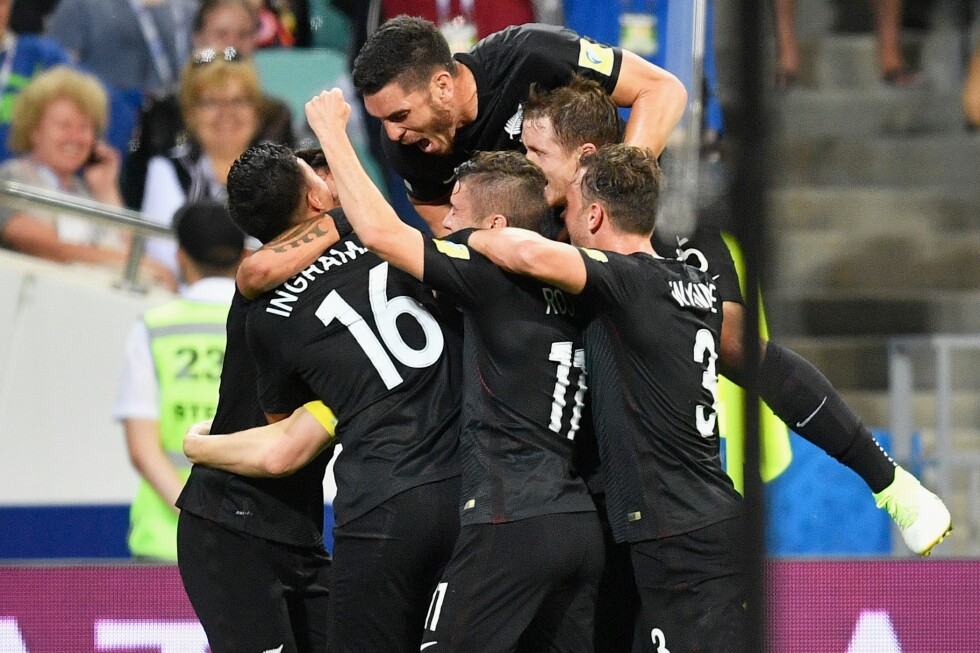
WELLINGTON, New Zealand – When the New Zealand men’s national soccer team steps onto the field at the upcoming FIFA World Cup, one small, passionate contingent will stand out among the crowds, ready to cheer their side on with unapologetic, signature Kiwi spirit. Known as the Flying Kiwis, this ragtag, globally dispersed group of supporters has turned a lifelong love for the underdog national side into a movement that transcends sports, built on grassroots camaraderie and a deliberate, playful irony: the kiwi, the flightless native bird that gives all New Zealanders their nickname, can’t actually fly.
The story of the Flying Kiwis begins back in 2009, during a do-or-die World Cup qualifying series against Bahrain for a spot in the 2010 South Africa tournament. After the first away leg finished in a goalless draw, New Zealand needed a victory on home soil to secure their place at the World Cup. It was in this high-stakes moment that Matt Fejos, then a university student who describes himself as not being a die-hard football fan at the time, decided to create something special for the side.
Charging an entire block of tickets to his $1,000-limit credit card, Fejos gathered 32 of his friends, sourced custom banners, printed branded coveralls emblazoned with the new name “Flying Kiwis,” and packed out a section of the stadium waving New Zealand flags. That match, which ultimately secured New Zealand’s World Cup spot, became a foundational moment for football fandom in the country, Fejos says, and a memory that sticks with everyone who was there that day.
From that small, spontaneous beginning, the group has grown far beyond that original group of university friends. As the original members scattered across the globe for work and life, they drew new supporters into the Flying Kiwis fold, building a network of fans that follows the All Whites – as the New Zealand men’s team is known – to matches both at home and in every corner of the world. For Fejos, who spent a decade living in the United Kingdom, a 2017 Confederations Cup trip to Russia drove home the deeper meaning of the group beyond matchday support. There, local Russian fans organized a friendly match between traveling Flying Kiwis and local supporters, an experience that showed Fejos how the group acts as informal ambassadors for their small island nation.
“You’re doing it for your team, but actually in far away places you might be the first New Zealanders they’ve ever met, so you’re kind of representing your country,” Fejos explained. “To connect with the world through the global language of football is a beautiful thing and a beautiful way to travel.”
Unlike large football-mad nations where generations of soccer fandom are woven into national culture, New Zealand’s biggest sporting spotlight has long been dominated by rugby. With no long-established homegrown traditions of organized soccer support to follow, Fejos and the Flying Kiwis set out to build their own brand of fandom. While their section is almost always far smaller than the opposing side’s packed fan bases, Fejos says that small size comes with an unexpected strength: unmatched unity.
Heading into the World Cup, New Zealand enters as a clear underdog: ranked 85th globally, drawn into Group G alongside higher-ranked sides Belgium (9th), Iran (21st), and Egypt (29th). The All Whites will need every bit of support they can get, but Fejos says this current squad is far more prepared for the pressure than any previous New Zealand side. Today, a majority of the national team’s players compete in top European and global leagues, cutting their teeth in packed, high-pressure stadiums week in and week out.
“There’s so much more belief among the New Zealand team because of where the players are playing,” Fejos said. “There’s so many more playing at a top, top standard and in these difficult environments, these really charged atmospheres with crazy passionate fans. So they’re used to playing under that pressure as well.”
For the Flying Kiwis, their name and mascot carries a powerful metaphor that goes far beyond a playful joke about a flightless bird. Unlike ferocious national mascots such as eagles or lions that frame teams as dominant forces, the unassuming kiwi has become a symbol of defying the odds for the New Zealand side. Given the country’s geographic isolation, its young professional soccer ecosystem, and the lack of elite youth development academies compared to larger soccer nations, just qualifying for the World Cup is a historic achievement.
“Sometimes it can seem a bit funny or deprecating but it’s a thing that means a lot,” Fejos said. “Despite that, I think it’s incredible for some of those New Zealand players to play in some of the best leagues of the world and to take it to the world at a World Cup. The metaphor means a lot, defying expectations overseas.”
With most of the world writing the All Whites off before the tournament even begins, that underdog status is exactly what fuels the team and their fans. “People think of us as a rugby country, and probably as hobbits, but that allows us to go in with that underdog mentality, fearless,” Fejos said. “We want to stamp our mark and show them something different.”