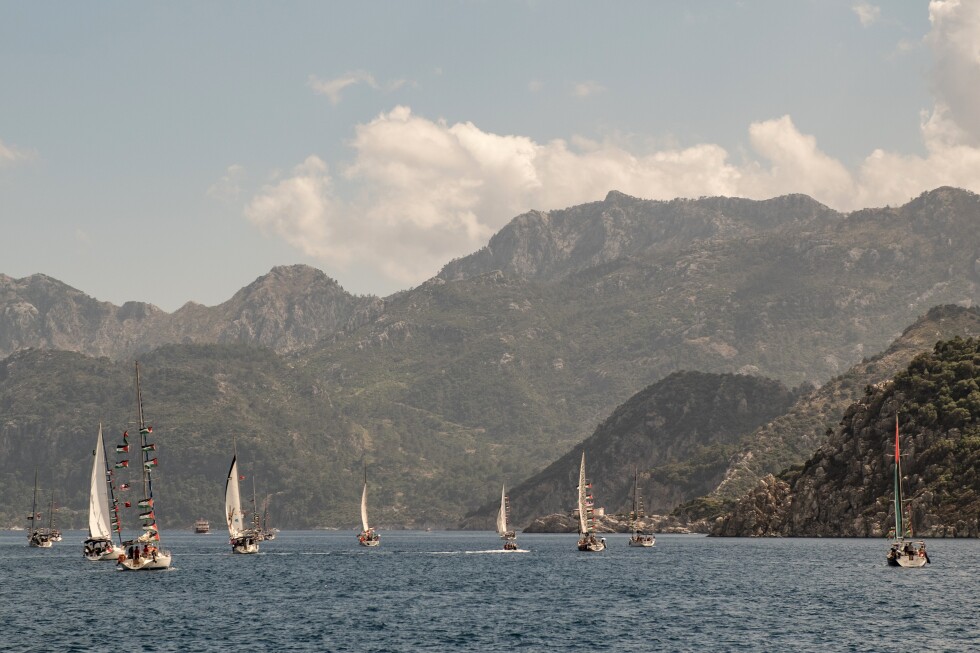
In a tense escalation of long-running tensions over the Israeli-imposed Gaza blockade, the Israeli military initiated interception operations against multiple vessels belonging to the Global Sumud Flotilla early Monday morning. This activist-led fleet has been sailing toward Gaza’s coast in a deliberate attempt to challenge the years-long blockade that has crippled the territory’s civilian economy and access to basic goods.
The 50-plus vessel fleet departed from Turkey’s Marmaris port last week, marking what organizers framed as the final leg of their high-stakes voyage to Gaza. Live streaming footage broadcast from one of the intercepted vessels captured the chaotic moments before boarding: activists were seen donning life vests and raising their hands in a non-violent demonstration as an Israeli military boat carrying tactical troops approached the civilian vessel. After Israeli commandos boarded the flotilla ship, the live feed cut off abruptly, cutting off public view of the ongoing operation. The majority of the fleet’s vessels remain anchored off the coast of Cyprus as the interception unfolds.
One hour before military forces began moving in, Israel’s Foreign Ministry issued a public warning to all participating activists, urging them to “change course and turn back immediately.” On the social platform X, the ministry dismissed the effort as a deliberate act of provocation, claiming: “Once again, a provocation for the sake of provocation: another so-called ‘humanitarian aid flotilla’ with no humanitarian aid.” The Israeli military has declined to issue any on-the-record statements regarding the details or progress of the ongoing interception operation.
This latest confrontation comes months after a similar incident in April, when Israeli forces intercepted more than 20 flotilla vessels near the southern Greek island of Crete, detaining roughly 175 participating activists. That prior interception drew widespread international condemnation, sparked global protests, and reignited legal debate over the legality of blockade enforcement actions carried out by nations in international waters. Israeli officials defended their early intervention in the April incident, citing the large size of the original flotilla as a security justification.
In the aftermath of the April interception, Israeli authorities detained two participating activists for extended questioning: Saif Abukeshek, a Spanish-Swedish citizen of Palestinian descent, and Thiago Ávila, a Brazilian national. The pair accused Israeli security personnel of subjecting them to torture during their detention—a claim Israeli officials have outright denied. Both Brazil and Spain publicly condemned Israel’s actions, labeling the detainment “kidnapping” of their citizens. After several days in custody, the two activists were finally deported from Israel this past Sunday.
Following the April interception, flotilla organizers regrouped, repaired their network, and added new participating vessels to the effort for this latest attempt. Organizers confirm that nearly 500 activists from 45 different countries around the world are currently taking part in the mission to break the Gaza blockade, underscoring the broad international support for the effort to challenge Israeli restrictions on the territory.