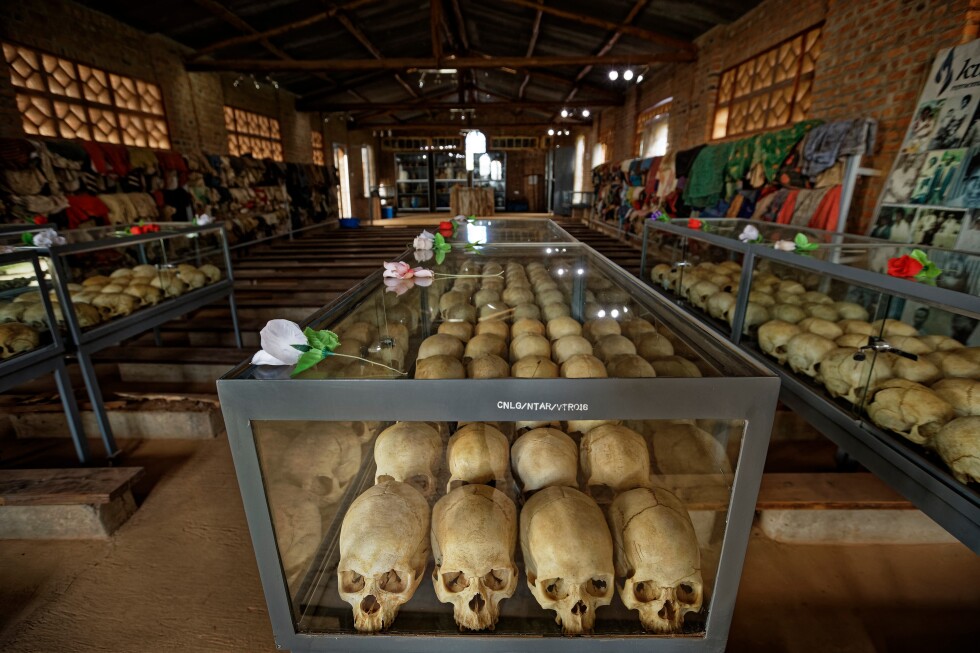
THE HAGUE, Netherlands — Nearly 30 years after one of the worst mass atrocities of the 20th century, the key Rwandan genocide suspect Félicien Kabuga has died in UN custody while being treated at a hospital in The Hague, the United Nations’ judicial body confirmed Saturday. He was 91.
Kabuga, one of the most high-profile figures accused of orchestrating the 1994 Rwandan genocide, faced charges including genocide, incitement to genocide, conspiracy to commit genocide, extermination, murder, and persecution. He long maintained a not guilty plea to all counts, and never lived to see a final ruling on the accusations against him.
The 1994 Rwandan genocide was sparked after the downing of a plane carrying then-Rwandan President Juvénal Habyarimana, an ethnic Hutu, over the capital Kigali on April 6 that year. Kabuga had close personal ties to the Habyarimana administration — his daughter is married to the late president’s son — and prosecutors alleged he used his wealth and influence to fund and incite the 100-day campaign of violence that killed an estimated 800,000 mostly Tutsi people.
For decades, Kabuga evaded capture after the genocide ended. A global arrest warrant was issued for him in 2013, paired with a $5 million reward for information leading to his arrest. He was finally taken into custody in France in 2020, and his long-awaited trial before the UN International Residual Mechanism for Criminal Tribunals (IRMCT) got underway in 2022.
The trial process ground to a halt in 2023, when IRMCT judges ruled Kabuga was unfit to continue proceedings due to a diagnosis of advanced dementia. The court outlined a revised process that would allow evidence to be presented to establish the facts of the case, but ruled out the possibility of a criminal conviction or sentencing if he was found responsible. Following the ruling, Kabuga remained in UN detention while diplomats negotiated over a potential transfer to a third country that would accept him for provisional release; Rwanda had offered to take him back, but his legal team stated Kabuga refused repatriation over fears of mistreatment.
The court’s decision to halt the trial triggered widespread anger among Rwandan genocide survivors, who argued that Kabuga’s alleged role in the mass killings demanded a full trial and the maximum possible penalty, which would have been life imprisonment if he was convicted.
In its official statement Saturday, the IRMCT confirmed that Kabuga died while receiving hospital care in The Hague, and that the medical unit of the UN Detention Unit was notified immediately of his death. An official investigation has been launched to document and clarify the full circumstances surrounding his death, the mechanism added.