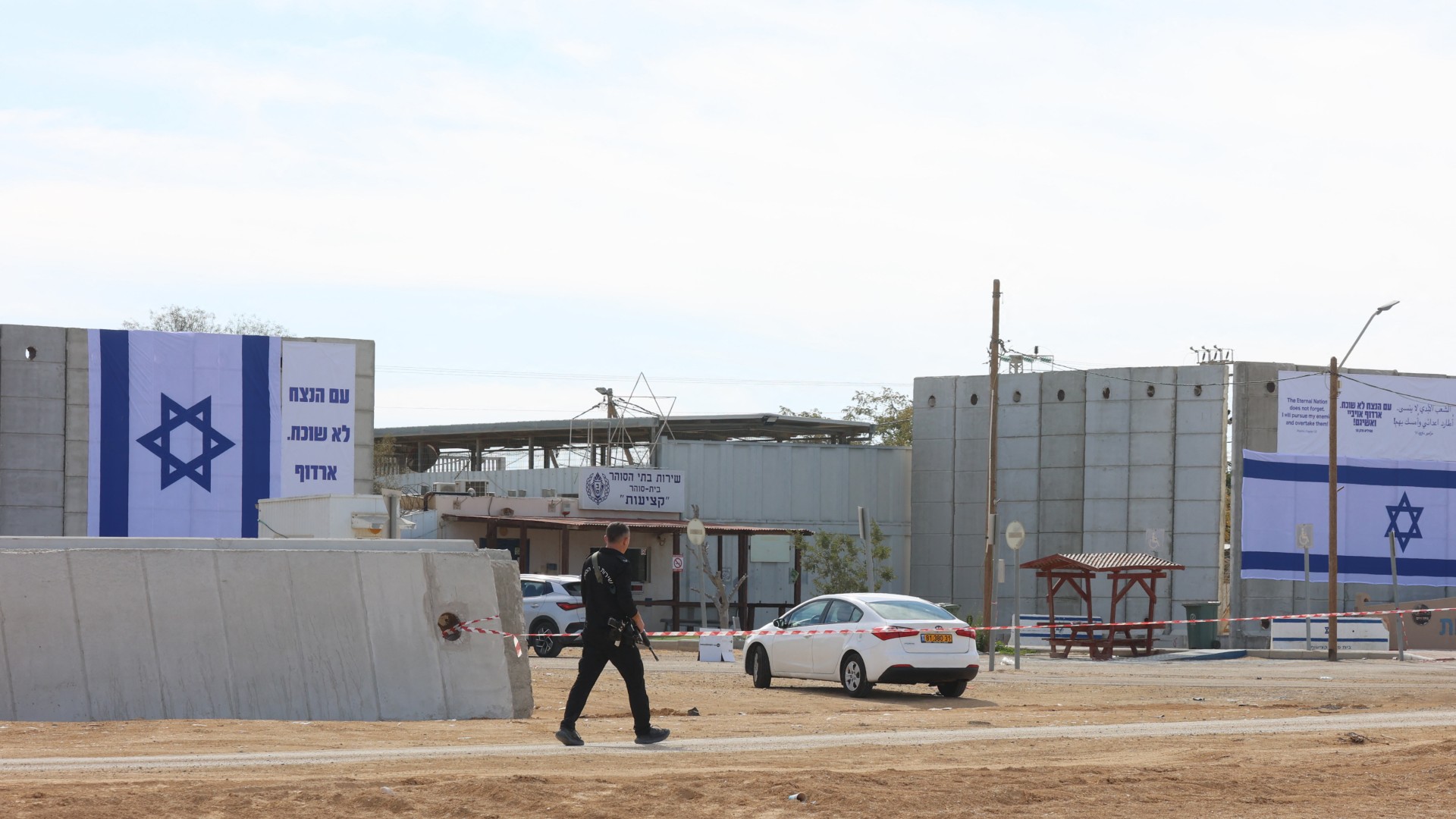
Freshly released official data obtained via a freedom of information request has laid bare a dramatic and unprecedented rise in the use of solitary confinement against Palestinian detainees held in Israeli jails, with a particularly sharp uptick recorded against child prisoners following the launch of Israel’s military campaign in Gaza in October 2023.
The data, published this week by the Israeli-based human rights and medical advocacy group Physicians for Human Rights, paints a stark picture of rapidly deteriorating conditions inside Israeli detention facilities. It tracks a surge in solitary placements that has grown exponentially over the past three years: just one minor was placed in isolation in 2022, a figure that climbed to 50 in 2023 before skyrocketing to 290 in the first months of 2024.
The escalation is not limited to child detainees. Official counts show the number of adult Palestinians held in solitary confinement has nearly tripled year-over-year in 2024, hitting a total of 4,493 placements. For female Palestinian detainees, the increase is equally stark: only two were held in isolation in 2022, a figure that has jumped to 25 by 2024.
Israeli prison authorities operate two distinct frameworks for solitary confinement: punitive isolation, capped at 14 days per placement, and deterrent isolation, which can last up to six months and be renewed indefinitely by official order. Rights groups confirm the vast majority of Palestinian detainees held in isolation fall under the short-term punitive category.
Human rights organizations have for decades categorized prolonged or routine solitary confinement as a cruel and inhumane practice, meeting the international definition of cruel, inhuman or degrading treatment. Multiple peer-reviewed studies have linked the practice to severe long-term health harms, including chronic mental health conditions, permanent memory impairment, hallucinations, and a range of chronic physical illnesses.
Conditions for all Palestinian detainees have deteriorated sharply across the board since the Gaza campaign began, with multiple detainees and advocacy reports documenting systemic food shortages, uncontrolled spread of infectious diseases inside overcrowded facilities, and frequent incidents of violence carried out by Israeli prison guards against detainees.
“What was once reserved as an exceptional punishment for rare infractions has become a routine practice now, even applied to minors and women,” explained Oneg Ben-Dror, a representative of Physicians for Human Rights. She added that the sudden, dramatic rise in the use of solitary confinement has triggered urgent alarms about widespread violations of Palestinian detainees’ basic human rights, as well as their immediate and long-term physical and mental well-being.
In a response to Israeli outlet Haaretz, the Israel Prison Service defended its practices, arguing that the jurisdiction has seen a “dramatic increase” in the total number of security detainees in recent years, which includes a growing population of minor detainees. The service claimed that comparisons of prison conditions before and after October 2023 “distort reality,” stating that it operates under a policy of “custodial governance” that adheres to legal protocols when responding to breaches of institutional order or discipline.
As of the most recent count from last month, more than 9,600 Palestinians are currently being held in Israeli jails. Of that population, at least 3,532 are being held under administrative detention, a controversial Israeli policy that allows military authorities to detain individuals indefinitely without filing formal charges or conducting a public trial, with six-month detention extensions that can be renewed repeatedly. The current prison population includes 342 minor children, 84 adult women, and 119 detainees serving life sentences.
The total number of Palestinian detainees has nearly doubled since the launch of the Gaza campaign; pre-October 2023 counts put the prison population at roughly 5,250 Palestinians held in Israeli custody. The escalating restrictions on detainees come amid a broader shift in Israeli policy toward Palestinian prisoners: in March, Israel’s legislative body, the Knesset, approved a controversial bill permitting the execution of prisoners by a 62-48 vote, despite widespread international condemnation and calls to scrap the legislation.
The text of the new law frames the death penalty as a punishment for anyone who “intentionally causes the death of another person with the intent to harm an Israeli citizen or resident, or to threaten the existence of the State of Israel.” Legal analysts and rights groups have highlighted that the wording of the law disproportionately targets Palestinian detainees, as Jewish Israelis who commit lethal violence against Palestinians face a maximum sentence of life imprisonment without the possibility of execution under the same legislation.