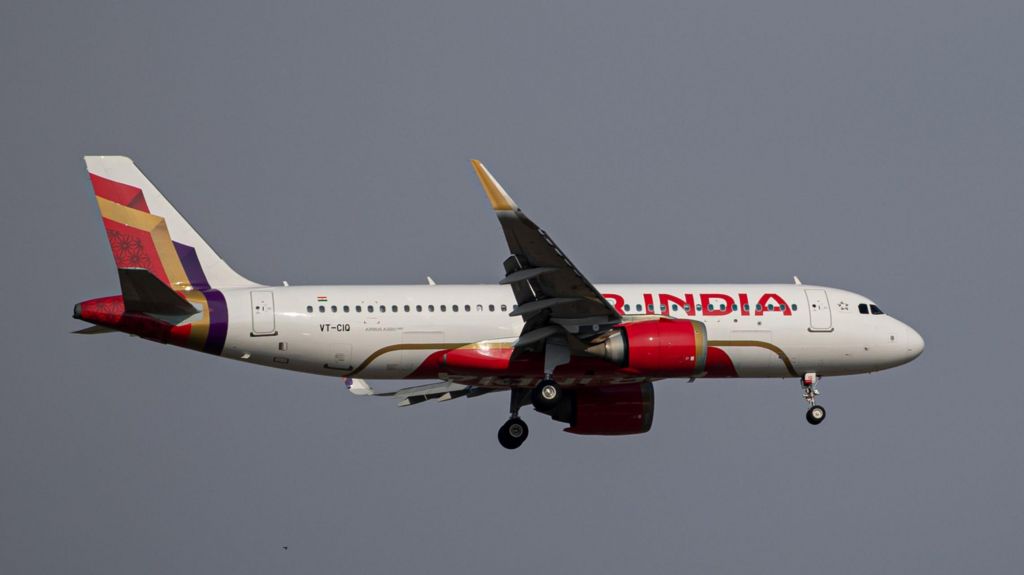
Almost a year after the tragic crash of Air India flight AI-171, which crashed seconds after departing Ahmedabad for London in June 2025 and claimed 260 lives, India’s official accident investigation body is preparing to release its long-awaited final report within the next four weeks. As the aviation industry and global public wait for the crash’s official findings, the flag carrier is already grappling with a cascading series of crises that have thrown its years-long ambitious turnaround plan into serious doubt.
The most immediate blow came last month, when chief executive Campbell Wilson stepped down mid-term, just as the carrier announced annual losses reaching $2.4 billion for the fiscal year ending March 2026. Wilson’s exit has left a critical leadership gap at a moment when the airline desperately needs steady direction to navigate its mounting challenges. Wilson was brought in after the Tata Group, one of India’s largest conglomerates, acquired the loss-making state-owned carrier in 2022, with a 5-year roadmap to overhaul operations and restore profitability. Today, Air India stands as the largest money-losing business in the Tata Group portfolio, and the Tata board has openly expressed growing concern over its performance. Last week, the board held a closed-door meeting to review aggressive cost-cutting strategies and warned employees that difficult adjustments lie ahead. Compounding this uncertainty, the April visit of senior Singapore Airlines leadership to Tata’s Mumbai headquarters has fueled widespread speculation that Singapore Airlines, which holds a 25.1% stake in Air India, is preparing to deepen its involvement in the struggling carrier. Air India declined to respond to detailed questions from the BBC regarding the ongoing crisis.
Aviation industry insiders warn that the carrier’s problems run far deeper than just the sudden CEO departure. Jitendra Bhargava, a former Air India executive director, told reporters that the Tata Group fundamentally underestimated the scale of structural and cultural issues it inherited when it took over the legacy carrier. Bhargava added that Wilson faced major delays building a cohesive leadership team to execute the privatization overhaul, leaving a growing gap between the carrier’s 5-year recovery plan and on-the-ground implementation. Over the past year, a string of high-profile operational and safety missteps have further eroded public trust in the airline. In March 2026, a Delhi-to-Vancouver flight was forced to turn back after eight hours of flying, after the carrier failed to secure required regulatory approval to enter Canadian airspace. Alok Anand, a aviation consultant at Acumen Aviation and former maintenance head of India’s first low-cost carrier Air Deccan, called the incident deeply alarming, noting that such a major error points to a systemic breakdown in internal processes. A 2025 annual audit by India’s civil aviation regulator also uncovered 51 separate safety violations across Air India’s operations, seven of which were classified as the highest-severity level.
Beyond internal structural and safety issues, a series of external headwinds have further pummeled the carrier’s financial performance. Global supply chain bottlenecks have delayed deliveries of dozens of new aircraft that Air India counted on to replace its aging fleet, throwing its fleet renewal schedule completely off track. Since 2024, the airline has cut a number of high-priority long-haul routes, including Delhi-Washington and Mumbai-San Francisco, shrinking its global network and further eroding revenue. A more than 10% depreciation of the Indian rupee against the U.S. dollar has also drastically increased operating costs, aviation analyst Mahantesh Sabarad explained, noting that most of Indian airlines’ core costs, including jet fuel, are pegged to the dollar. The ongoing Middle East conflict, which weakened the market position of major Gulf carriers, actually created a rare opening for Air India to capture more international market share—but the airline was unable to capitalize due to its ongoing aircraft availability shortfall.
Looking ahead, industry analysts disagree on how the crisis will unfold. Sabarad argues that the carrier’s majority and minority shareholders, the Tata Group and Singapore Airlines respectively, will need to inject substantial new capital to cover the carrier’s growing losses. He compared the current $2.4 billion shortfall to the major financial challenge Tata Steel faced after acquiring the UK’s Corus Steel nearly 20 years ago, noting that the Tata Group has a proven track record of turning around large struggling assets, but will need to pursue creative new financing strategies to stabilize Air India. Anand, however, warned that the worst financial pain may still be ahead, noting that this year’s losses include one-time charges for fleet refurbishment and penalties for returning older leased aircraft, and that the ongoing impact of high fuel prices, currency depreciation and network cuts will hit the carrier’s bottom line even harder in coming quarters. As the carrier waits for the AAIB’s final crash report, experts also warn that the investigation’s findings could have lasting reputational damage. While Sabarad noted that most liability from the crash is covered by insurance, eliminating the risk of unexpected new financial hits, any negative findings linking the crash to Air India’s operational or safety practices would deal a major blow to the carrier’s already battered brand, one that will take years of sustained effort to repair.