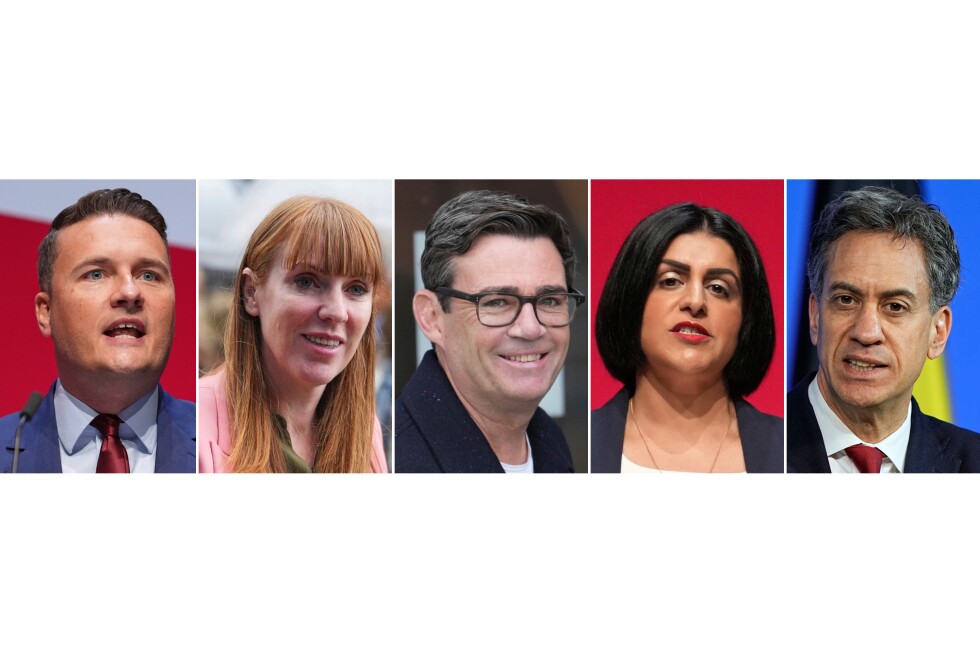
LONDON – Just months after Keir Starmer’s Labour Party took national power, the British prime minister’s hold on the nation’s top office is facing unprecedented turmoil, triggered by a devastating string of losses in last week’s local government elections that have amplified long-simmering anger within his own party over a controversial ambassadorial appointment.
The poor local election performance has emerged as a breaking point for Starmer, whose credibility has already been damaged by widespread backlash over his decision to appoint veteran Labour figure Peter Mandelson as the UK’s ambassador to the United States. The appointment sparked outrage over Mandelson’s well-documented personal ties to disgraced financier and convicted sex offender Jeffrey Epstein, a scandal that has lingered and eroded trust in Starmer’s judgment among lawmakers and voters alike.
Already, dozens of sitting Labour Members of Parliament have publicly called for Starmer to step down, clearing the way for an open leadership contest to select a new party leader who would immediately assume the role of prime minister. So far, Starmer has repeatedly refused to resign, stating publicly that he intends to remain in post, and no formal challenge to his leadership has yet been formally registered with the party. While no candidate has yet emerged as the clear frontrunner to replace Starmer if a vacancy opens up, several senior Labour figures have been flagged as the most likely contenders for the leadership.
Wes Streeting, 43, currently serves as the UK’s Health Secretary, and is widely viewed as one of the current government’s most effective and charismatic public communicators. He has been handed the responsibility of delivering one of Labour’s core election pledges: fixing the chronically underfunded and overstretched National Health Service. Rumors of Streeting’s leadership ambitions have circulated for years, and they burst into public view last year, when allies of Starmer reportedly briefed British media that the prime minister would aggressively fend off any attempt to oust him – with most media speculation at the time pointing directly to Streeting as the would-be challenger. Since being elected to Parliament in 2015, Streeting has repeatedly denied any secret plot to replace Starmer, dismissing such claims as completely unfounded “nonsense.”
Another top potential candidate is Angela Rayner, the former deputy prime minister with a well-known working-class origin story. Now 46, Rayner grew up in public social housing, left formal schooling at age 16, and became a teen mother, a background that has shaped her political brand as a voice for working people. Before entering Parliament in 2015, she was a prominent trade union organizer, and she aligns with the left wing of the Labour Party. She rose quickly through the party’s ranks during Labour’s years in opposition, and was elected deputy party leader in 2020. Rayner holds substantial grassroots support across the party, but she was forced to resign from the current cabinet last year after acknowledging she had underpaid tax on a property purchase. She remains waiting for the outcome of an official parliamentary inquiry into the tax controversy, a cloud that hangs over any potential leadership bid. In the wake of new revelations about Mandelson’s ties to Epstein from newly released Epstein documents, Rayner led a rebellion of backbench Labour lawmakers that forced the government to allow Parliament’s Intelligence and Security Committee to take control of decisions over which related documents will be declassified and released to the public.
Andy Burnham, 56, the popular center-left mayor of Greater Manchester and a former national cabinet minister, has long been marked as a potential challenger to Starmer. But his path to the leadership hit a major setback in February, when the national Labour Party blocked him from standing as the party’s candidate in a recent parliamentary by-election. By longstanding constitutional convention, the UK prime minister must be a sitting member of the House of Commons, so Burnham’s supporters are pushing for any leadership contest to be delayed, which would give him time to win a seat in Parliament through a future by-election. Burnham brings extensive experience from past Labour governments, having previously served as both culture secretary and health secretary in previous national administrations.
Ed Miliband, 56, the current Energy Secretary and a former Labour Party leader, is another experienced potential contender. Miliband led the party for five years during its time in opposition, but his tenure ended after Labour lost the 2015 general election. Miliband has publicly downplayed any interest in returning to the top party leadership role, but he remains one of the most experienced and well-respected senior figures in the current Labour cabinet.
Rounding out the list of likely contenders is Home Secretary Shabana Mahmood, 45, who holds one of the most high-stakes roles in the current government, with oversight of immigration policy, law enforcement, and domestic security. Her moves to strengthen border controls and crack down on unauthorized immigration have made her a favorite among centrist and right-leaning members of the Parliamentary Labour Party.