A series of contentious developments emerged from Israel this week, spanning intelligence leadership, national aviation infrastructure, international cultural participation, and occupied territory policy, drawing sharp criticism and urgent warnings from across sectors.
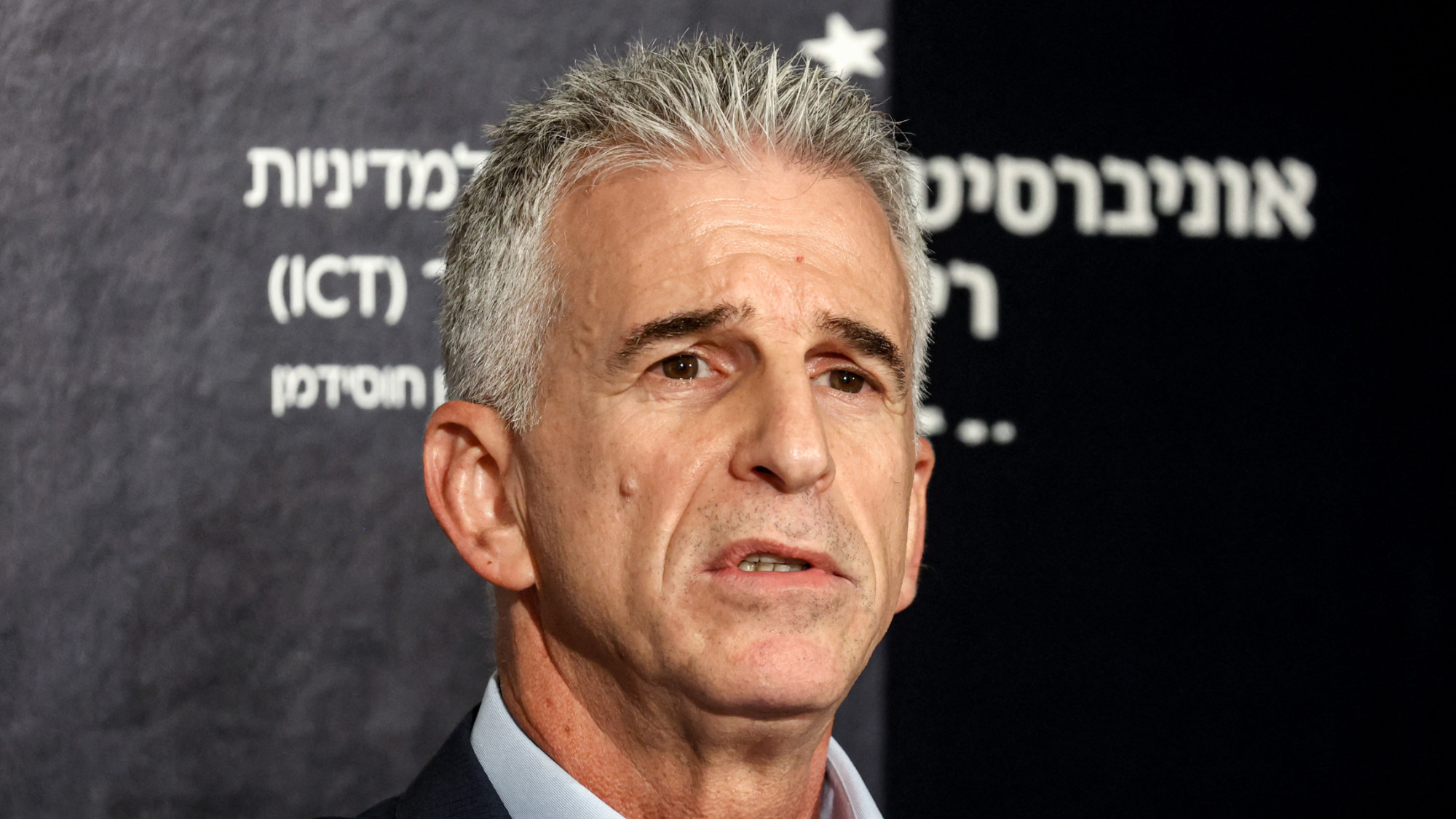
First, outgoing Mossad Director David Barnea has delivered a formal rebuke of Prime Minister Benjamin Netanyahu’s pick to replace him, Roman Gofman, arguing the nominee is categorically unfit to lead the country’s premier intelligence agency. In a four-page legal brief submitted to Israel’s Supreme Court ahead of a Tuesday hearing on the legality of Gofman’s appointment, Barnea laid out damning claims about Gofman’s ethical conduct. The nomination, announced last month, immediately ignited public backlash, as Gofman – currently Netanyahu’s military secretary – stands accused of exploiting a 17-year-old Israeli citizen for an intelligence operation. After the teenager was arrested by hostile forces during the mission, Gofman allegedly abandoned and disowned the operative. Citing this incident, Barnea wrote that Gofman “does not meet the standards of integrity required for this role” and warned his leadership would put all Mossad personnel at grave risk. Barnea emphasized that the role of Mossad chief demands uncompromising personal ethics, and Gofman’s history of poor judgment reveals a persistent character flaw that could cause irreversible damage to the agency. “Within an organization that operates outside regular legal constraints and public oversight – a structure unique among Western intelligence services – such a flaw poses unacceptable risk,” Barnea added.
Separately, a senior Israeli aviation official has issued a stark warning that the country’s primary international gateway, Ben Gurion Airport, has been effectively converted into an auxiliary American military base since the outbreak of the war with Iran, with severe consequences for civilian travel and the national economy. In a formal letter addressed to Transport Minister Miri Regev, Israel Civil Aviation Authority Director-General Shmuel Zakay warned that the facility now operates largely as a military airfield, with only minimal civilian air activity remaining. Zakay warned that unless the overcrowding from U.S. military deployments is addressed immediately, Israeli travelers will face sustained, sharp increases in flight costs. He added that Israel’s defense establishment has consistently failed to grasp the severity of the crisis, noting that “under the current circumstances, the State of Israel has no international airport capable of operating efficiently.” Business daily Calcalist, which first reported the letter, noted the problem is compounded by war-driven spikes in aviation fuel costs, and the fact that Israeli commercial carriers have been forced to park dozens of civilian aircraft at foreign airports to free up space for U.S. military jets, adding millions in extra operational costs. Last month, Calcalist reported that offsite aircraft parking alone has cost Israeli airlines more than 60 million shekels in recent months. Only after weeks of pressure from the Transport Ministry did U.S. and Israeli officials agree to reposition just 12 U.S. military aircraft out of Ben Gurion. Data from Israeli business publication TheMarker underscores the scale of the crisis: just 24 airlines currently operate regular service to Israel, with three domestic carriers accounting for 89% of all airport traffic in April 2024. Total passenger volume plummeted 74% compared to the same period last year.
In a separate development related to international cultural participation, the European Broadcasting Union (EBU) has held internal discussions about reassigning Israel from the main Eurovision Song Contest to the newly launched Eurovision Asia competition, Israeli news outlet Ynet reported Monday. According to sources familiar with the talks, the EBU has already surveyed current and prospective participating countries in the upcoming Asian contest to gauge how they would react to Israel’s inclusion in the lineup. The proposal has already faced “partial opposition” from a number of Asian participating nations, including several Muslim-majority countries that are set to take part in the inaugural event. Eurovision Asia will hold its first edition in Bangkok this November, with 10 competing countries confirmed so far – including Malaysia and Bangladesh, both of which have no diplomatic relations with Israel. Ynet reports that Israeli officials have not yet been formally notified of the proposal, which would ultimately require Israel’s consent to move forward. A source close to the discussions told Ynet that “Israel is geographically located in Asia, which is why the issue was examined,” adding that “no final decisions have been made yet, but this option is actively on the table.” Israel’s participation in the 2024 main Eurovision contest has already sparked massive global controversy over Israel’s military campaign in Gaza, with five participating countries – the Netherlands, Spain, Slovenia, Ireland and Iceland – announcing full boycotts of this year’s event in protest.
Finally, the Israeli parliament has advanced controversial legislation that would create a new state-run antiquities authority with full jurisdiction over all archaeological and heritage sites across the occupied West Bank. Israeli newspaper Haaretz reported Tuesday that the bill passed its preliminary parliamentary vote and will now move to the Knesset committee stage for further debate and amendments. If passed, the new body would take full control of all heritage, archaeology and antiquity matters from the Israeli army’s Civil Administration, which currently manages the sector in the occupied territory. The authority would gain powers to approve and conduct excavations, manage heritage sites, oversee all archaeological work, and enforce relevant laws across the entire West Bank – including Areas A and B, which are nominally under the administrative control of the Palestinian Authority. The legislation frames its purpose as streamlining management, reducing unregulated looting and damage to archaeological sites, and establishing direct state responsibility for heritage sites in what Israel refers to as Judea and Samaria. However, Emek Shaveh, an Israeli non-governmental organization that advocates for fair cultural heritage rights, has harshly condemned the bill, arguing it does nothing to protect antiquities and instead weaponizes cultural heritage as a tool of policy against the Palestinian population to advance Israel’s de facto annexation of the West Bank. In testimony to the Knesset earlier this year, the group warned the law puts Palestinian communities located near archaeological sites at direct risk of displacement and seizure, and that expanded state oversight of heritage sites “opens the door wide to the advancement of racist and destructive policies.” Emek Shaveh also emphasized that the legislation violates international law, existing diplomatic agreements Israel is a signatory to, and global professional ethical standards for archaeological management.