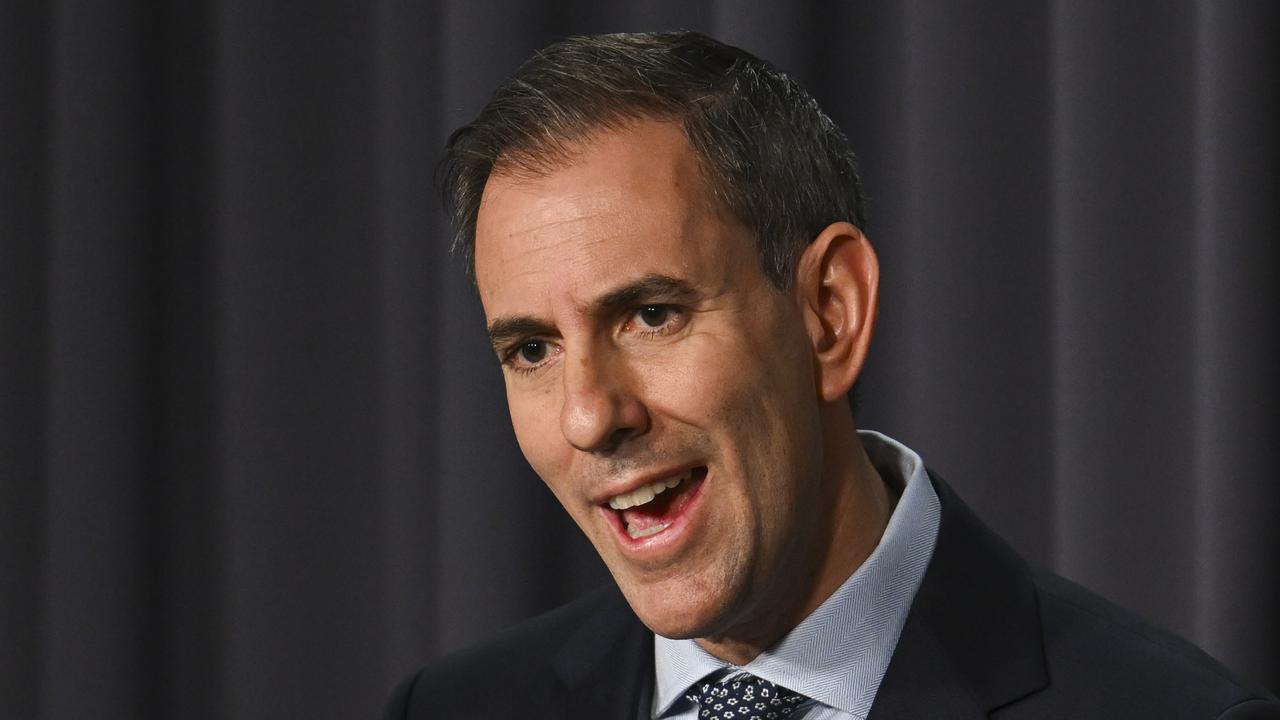
Ahead of the highly anticipated federal budget release this Tuesday, Australian Treasurer Jim Chalmers has given the clearest hint yet that major, game-changing tax policy shifts will be front and center of the new fiscal plan, framing the adjustments as difficult but necessary to fix deep structural inequities in the nation’s housing and tax systems. In an exclusive interview on Sky News’ public affairs program *Sunday Agenda*, Chalmers stopped short of locking in concrete changes to controversial property investment tax concessions, namely negative gearing and the capital gains tax (CGT) discount, but confirmed the upcoming budget will center on targeted reform rather than broad-based revenue grabs. “When it comes to the tax package in the budget, it will have some difficult but necessary reforms,” Chalmers told host. “It is overwhelmingly not about collecting heaps more revenue over the budget period, it is about more reforms.”
Chalmers, whose center-left Labor government won power 12 months prior, called the current arrangement unfair, noting it fails to adequately recognize the contributions of ordinary working Australians when compared to individuals who generate most of their income through investment holdings. For weeks, budget leaks have outlined two core proposed reforms to property investment taxation that are expected to be confirmed in Tuesday’s announcement. The first, for negative gearing — a tax break that allows property investors to deduct expenses including mortgage interest and repair costs from their overall taxable income when annual expenses exceed rental income — will only apply to new investment purchases of newly constructed properties. Crucially, the proposed changes are grandfathered: the more than 1 million existing Australian landlords who currently use negative gearing will retain their existing tax breaks, eliminating any immediate disruption for current holders. The policy design is intended to drive new construction and ease the nation’s chronic housing supply shortage, the core root of the country’s ongoing affordability crisis.
The second major shift would alter the CGT discount, changing rules that have been in place since the Howard government in 1999. Under current policy, investors holding assets for at least 12 months qualify for an automatic 50% discount on any capital gains. The proposed change would return the system to inflation indexing, which matches the taxable portion of gains to rising prices, rather than offering a flat half-discount across all asset classes. Unlike the negative gearing adjustments, this change would apply to all current and future investors.
Addressing growing public speculation that the government could also roll out a new earned income offset worth between $200 and $300 per taxpayer as cost-of-living relief, Chalmers pushed back against expectations of large, short-term cash handouts, framing the budget as a fiscally restrained document designed to avoid adding to existing inflationary pressures. “People shouldn’t expect in a very tight and responsible budget defined by spending restraint… big near term cash splashes in the budget because we take this inflation challenge seriously,” he said. The Treasurer noted the government has already delivered multiple forms of tax relief, including a cut to fuel taxes and an instant asset tax deduction for businesses, with already scheduled stage three income tax cuts set to take effect on July 1 next year.
Rejecting criticism that the reforms amount to a punitive attack on existing investors, Chalmers emphasized the policy’s core goal is expanding access to homeownership for young and aspirational Australians, not punishing past investment decisions. “We’re not trying to punish anybody who has made decisions about how they’ve used the tax system or the housing market in the past,” he said. “It’s about trying to expand opportunities in the housing market for more people. Our motivation in considering some of these changes is recognising that helping people get a toehold in the housing market is a really important way of helping people get a toehold in the economy more broadly.” The Treasurer added that while boosting housing supply has been the government’s first priority, the status quo on housing and taxation is broken, unfair, and demands a policy response from a responsible government. Tuesday’s budget, he said, will mark the start of a more ambitious year of reform, following the first year in office focused on delivering on prior election commitments.
Opposition figures have sharply condemned the proposed reforms, framing them as a naked tax grab that will fail to boost housing supply and hurt working Australians across all age groups. Liberal Senator Jane Hume questioned the government’s reversal on prior commitments to avoid negative gearing changes and challenged the government’s claims the reforms will increase housing construction. Shadow Treasurer Tim Wilson went further, dismissing the leaked budget plan as disjointed and ideologically driven. “So far their budget seems to be in complete disarray,” Wilson said. He criticized the plan for protecting existing older investors while closing off opportunities for young people seeking to enter the market, adding that the CGT changes will penalize young Australians saving for a home deposit through share market investments. Wilson argued that the changes will not result in more home construction, will drive up rents in major capital cities, and amounts to redistribution that does nothing to drive broader economic growth. “We need a tax system that is orientated towards encouraging wealth creation, jobs and growth for the next generation of Australians, while Labor’s plan is to feed resentment and redistribution,” he said.
The budget announcement, scheduled for Tuesday night, will bring the years-long debate over Australia’s property tax system to a head, with stakeholders across the housing, finance and construction industries waiting for full details of the proposed reforms.