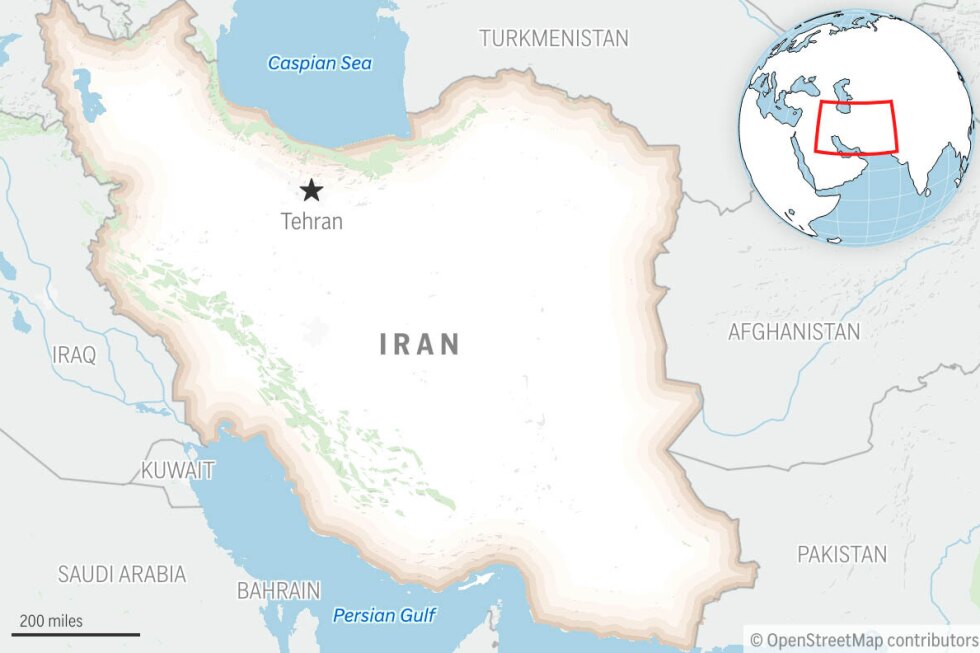
DUBAI, United Arab Emirates – Just one month into a tentative ceasefire between the U.S. and Iran, regional tensions are reigniting, with competing military escalations and high-stakes diplomatic negotiations unfolding across the Persian Gulf. In a stark public warning issued Saturday by the naval branch of Iran’s Revolutionary Guard, any offensive targeting Iranian commercial and oil vessels will trigger a devastating retaliatory strike against both U.S. military bases in the region and enemy shipping, the force confirmed.
The warning came 24 hours after U.S. forces intercepted two Iranian oil tankers attempting to break Washington’s blockade of Iranian ports, a move that has cast significant doubt over the durability of the month-long truce that U.S. officials continue to insist remains in effect. As tensions mount, Bahrain – the small Persian Gulf island nation that hosts the U.S. Navy’s Fifth Fleet and regional headquarters – announced the arrest of 41 individuals it claims are connected to an Iran-aligned network linked to the Revolutionary Guard.
According to Bahrain’s interior ministry, investigations have confirmed the group maintained direct communication with the Revolutionary Guard and was raising funds to transfer back to Iran to support what it describes as terrorist activities. The Sunni-ruled monarchy, which is home to a majority Shiite population like Iran, has long faced accusations from international human rights groups that it weaponizes regional tensions between Washington and Tehran to crack down on domestic political dissent.
Iran has issued a sharp rebuke to Bahrain over its actions. Ebrahim Azizi, head of the Iranian parliament’s national security commission, warned in a social media post that aligning with U.S.-backed initiatives will carry severe long-term consequences. “The Strait of Hormuz is a vital global energy lifeline; do not risk closing it off to yourselves forever,” Azizi said.
Since the U.S. and Israel launched their military campaign against Iran on February 28, Tehran has largely blocked access to the strategic Strait of Hormuz, the chokepoint through which nearly 20% of global oil supplies transit daily. The closure triggered an immediate spike in global fuel prices and sent shockwaves through international financial markets. In response, the U.S. imposed its own naval blockade of Iranian ports, with U.S. Central Command confirming Saturday that its forces have turned away 58 commercial vessels and disabled four ships since the blockade went into effect on April 13.
As regional powers and global actors work to de-escalate, Western nations are already positioning military assets to secure the strait once a lasting truce is reached. Britain’s defense ministry announced Saturday it is deploying the Type 45 destroyer HMS Dragon to the Middle East to preposition for a future multinational mission protecting commercial shipping through the Strait of Hormuz once hostilities cease. The destroyer will prepare to join a U.K.- and French-led international security initiative, after France announced earlier this week it is moving its full aircraft carrier strike group to the Red Sea in preparation. The two countries have coordinated talks with more than 30 nations to build a coalition to reestablish freedom of navigation in the strait, but have emphasized the mission will not launch until a sustainable ceasefire is in place and the global maritime industry can be assured of safe passage.
Diplomatic efforts to cement a lasting peace deal are continuing around the clock, with multiple global mediators working to bridge gaps between Washington and Tehran. U.S. President Donald Trump has reiterated his threat to resume full-scale bombing campaigns against Iran if Tehran rejects Washington’s proposal, which calls for reopening the Strait of Hormuz and rolling back Iran’s disputed nuclear program in exchange for lifting sanctions. On Friday, Iranian foreign ministry spokesperson Esmail Baghaei dismissed U.S. pressure tactics, telling state-run news agency IRNA that Iran is not paying attention to arbitrary American deadlines.
Pakistani Prime Minister Shehbaz Sharif confirmed his government has been holding continuous talks with both U.S. and Iranian officials to extend the current ceasefire and reach a permanent negotiated settlement. Both Russia and Saudi Arabia have publicly called for intensified diplomatic efforts to reach a sustainable, long-term agreement to end the conflict, according to Russia’s foreign ministry. Russian President Vladimir Putin also confirmed that Moscow’s longstanding proposal – to transport Iran’s enriched uranium out of the country to build trust and facilitate negotiations – remains on the table. Putin explained the plan would put all of Iran’s enriched uranium stockpile under the full oversight of the International Atomic Energy Agency (IAEA), the United Nations’ nuclear watchdog, allowing the international community to verify the size and location of Iran’s nuclear materials. Egypt and Qatar’s top diplomats also reaffirmed in a recent phone call that diplomacy is the only viable path to resolving the conflict.
Amid all the diplomatic and military activity, one key figure remains out of public view: Iran’s new Supreme Leader Mojtaba Khamenei, who has not been seen or heard publicly since the war began. The lack of public appearances has sparked widespread speculation about his health and status. On Friday, a senior Iranian official close to the office of the late Ayatollah Ali Khamenei – Mojtaba’s father, who was killed in the opening days of the U.S.-Israeli offensive – told a pro-government gathering that the new supreme leader is in full good health and will appear public once his recovery is complete. Mazaher Hosseini confirmed Mojtaba sustained knee and back injuries in the opening bombardment, but said those wounds have largely healed.
The Associated Press contributed reporting from Cairo and London to this article.