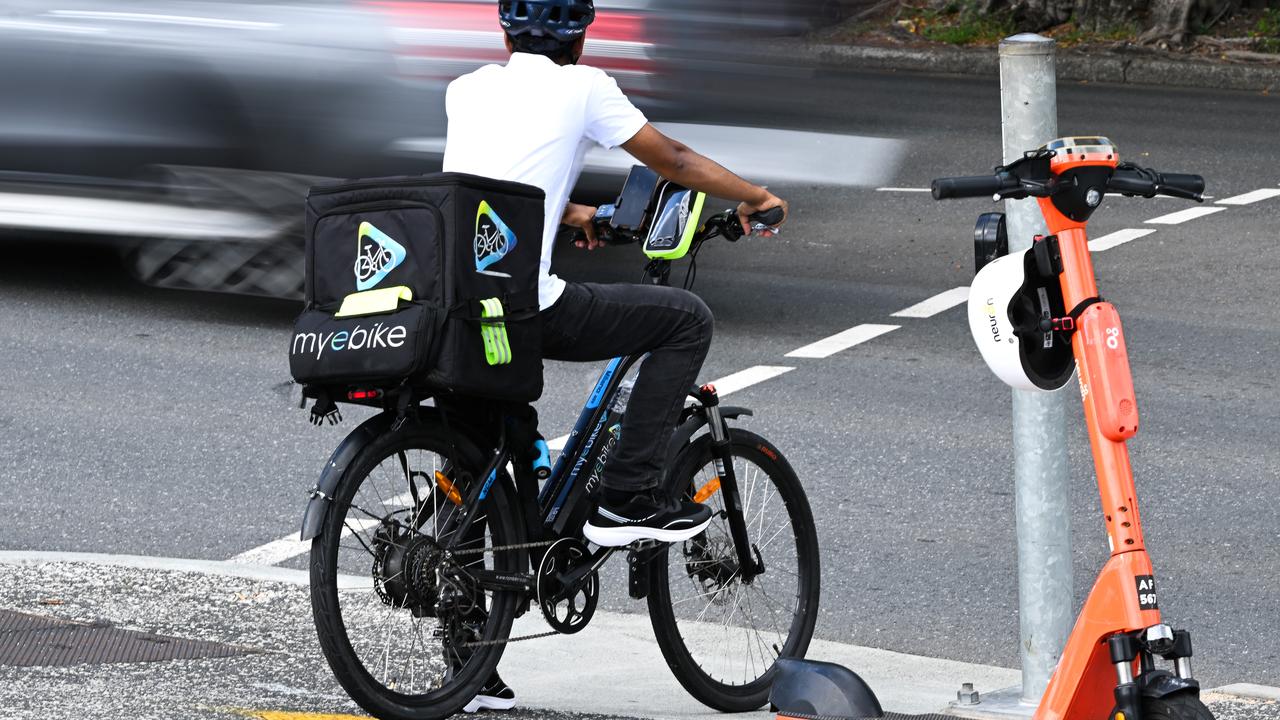
Plans to enforce a uniform 10km/h speed limit across all regions of Queensland for electric bikes and electric scooters are set to be softened after a state parliamentary inquiry delivered a series of amended recommendations on the controversial safety legislation.
Originally, the Queensland government tabled a new safety bill that would implement a blanket 10km/h speed restriction for all e-mobility riders across the entire state, a policy that immediately drew fierce public pushback. Opponents of the original proposal argued that the overly restrictive limit would force many commuters to shift from low-traffic shared paths onto crowded, high-speed main roads, while also adding significant unnecessary time to daily work and errand commutes across the region.
After reviewing thousands of submissions and hearing testimony from stakeholders, the bipartisan parliamentary committee tasked with examining the bill tabled its final report Friday, calling for major revisions to the speed limit provision. Instead of applying the 10km/h cap across all public paths and roads, the committee recommends the restriction only be enforced in zones with heavy foot traffic — such as central business districts, shopping strips, and parklands — as well as within 10 meters of any pedestrians on shared footpaths. The panel also proposed that multi-use shared paths remain exempt from the 10km/h rule unless local authorities install dedicated signage indicating the limit, and suggested officials consider raising the cap to 15km/h in cases where riders are passing within 10 meters of pedestrians.
Beyond speed regulations, the original legislation includes two other key provisions that have proven contentious: a full ban on e-bike and e-scooter use for anyone under the age of 16, and a requirement that all riders hold at minimum a learner driver’s license. Disability advocacy groups raised urgent alarms over the licensing rule, noting that many people living with permanent disabilities or chronic medical conditions are ineligible for driver licenses, and the requirement would create an insurmountable barrier to accessing these affordable, lightweight mobility devices that many rely on for daily transportation.
In response to those concerns, the committee added a recommendation for targeted exemptions to the licensing rule, covering people who cannot obtain a license due to disability, medical impairment, or age-related eligibility restrictions. Despite the proposed changes to the speed limit, the committee has endorsed the overall passage of the bill, meaning new targeted regulations for e-mobility users are almost certain to take effect in Queensland in the coming months.
Committee chair Jim McDonald emphasized in the foreword to the final report that the entire inquiry was centered on balancing public safety for all vulnerable road and path users, including riders, pedestrians, and people in motor vehicles. “The evidence presented to the committee was confronting and enlightening, and we acknowledge the heartbreaking experiences of those who have lost loved ones in e-mobility incidents,” McDonald wrote.
He added that the combination of the original bill and the committee’s revised recommendations will deliver a clear, practical regulatory framework that improves safety for everyone sharing Queensland’s roads, pathways, and public spaces. The framework, he said, is designed to cut down on preventable injuries and save lives, while still maintaining accessible riding opportunities through targeted, proportionate restrictions rather than a one-size-fits-all statewide rule.