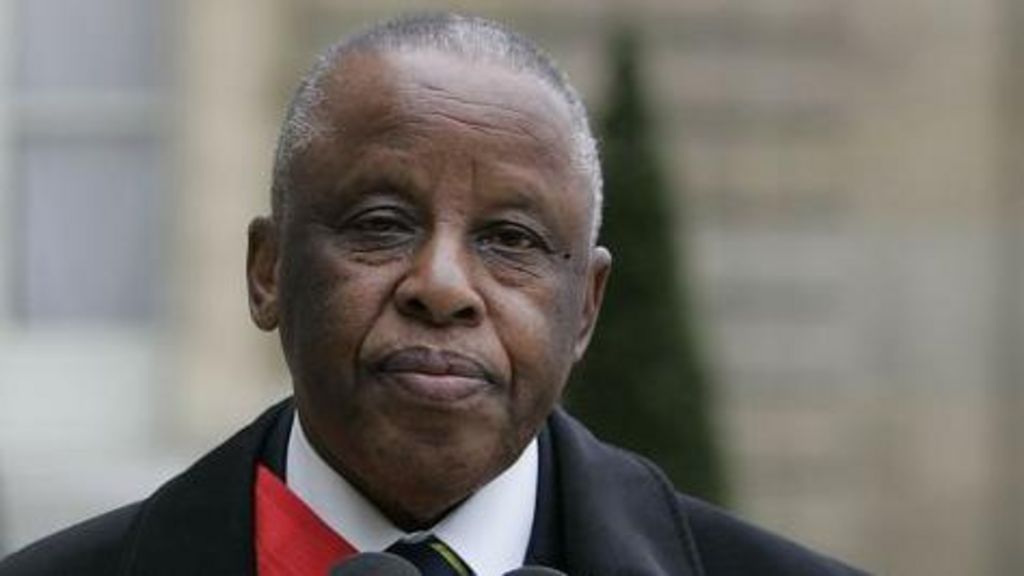
Botswana’s former president Festus Mogae, a towering figure of African governance whose decade-long leadership guided the southern African nation through an era of transformative growth and public health progress, has died at the age of 86. Current Botswana President Duma Boko confirmed the passing in an official public announcement, noting that Mogae died early Friday following an extended period of ill health.
Last month, the Botswana government confirmed that the former head of state was receiving ongoing medical care at a facility in Gaborone, the national capital, but declined to share details about the specific nature of his condition.
As the third president of Botswana, Mogae held office from 1998 to 2008, capping a decades-long career in public service that saw him rise through senior government roles including finance minister and vice president before ascending to the country’s highest office. His tenure is widely remembered for two landmark contributions that shaped modern Botswana: strengthening the nation’s economic governance frameworks amid a diamond-fueled period of rapid economic expansion, and leading a bold, life-saving response to one of the world’s worst HIV/AIDS epidemics at the time.
At the height of the crisis, when Botswana recorded one of the highest global HIV infection rates, Mogae’s administration rolled out an ambitious national antiretroviral treatment program that drove dramatic reductions in both new infections and mortality from the disease. Even after leaving office in 2008, Mogae remained a prominent regional advocate for expanded HIV/AIDS care, pushing for universal access to free antiretroviral therapy and evidence-based policies to prevent mother-to-child transmission of the virus.
In recognition of his exceptional leadership, Mogae was awarded the 2008 Ibrahim Prize for Achievement in African Leadership, one of the continent’s most prestigious honors for good governance, which cited his commitment to democratic rule and the orderly, peaceful transfer of power to his successor Ian Khama. Following his presidency, Mogae continued to contribute to African stability and development, taking on a range of international advisory roles and leading peace mediation initiatives across the continent.
Botswana, where Mogae built his legacy, stands out as one of Africa’s most consistently politically stable nations. Since gaining independence from colonial rule in 1966, the country has never experienced a coup d’état and has held regular, competitive multi-party elections, a track record of democratic governance that Mogae helped cement during his time in office.