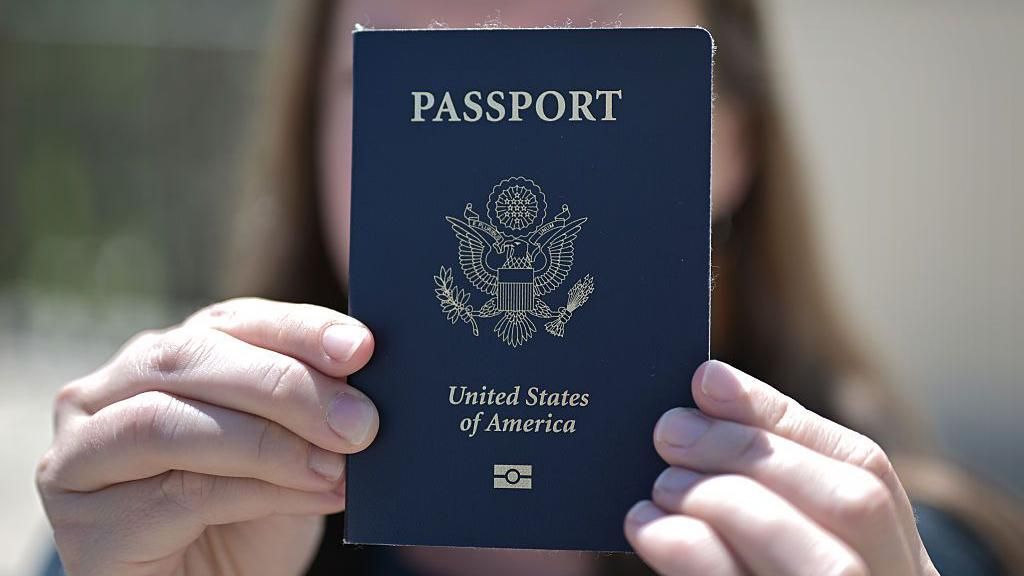
A major new enforcement policy targeting delinquent child support payments is set to launch from the U.S. State Department, which will begin revoking passports from American parents who carry significant outstanding child support debt. Under the updated rules, any parent with unpaid child support obligations exceeding $2,500 (equal to roughly €1,844) could face the consequences, with enforcement efforts focused specifically on holders of large, unresolved debt balances. In an official statement, the State Department emphasized that the policy leverages what it calls commonsense tools to uphold the well-being of American families and boost compliance with existing federal legislation, reinforcing that all parents carry both legal and moral obligations to provide financial support for their children. The agency has urged anyone matching the debt criteria to immediately arrange full or structured payment with their relevant state child support enforcement agency to avoid having their travel documents revoked. Once a passport is revoked, it immediately becomes invalid for any international travel, and affected individuals will remain ineligible to apply for a new passport until their entire outstanding child support debt is cleared in full. The policy itself is rooted in a 1996 federal law that has long allowed passport restrictions for delinquent child support payers, but the provision has been rarely enforced in decades since its passage. Previously, the penalty of passport denial was only applied when an individual with outstanding child support debt attempted to renew their existing passport. Under the revamped approach, the State Department will partner closely with the U.S. Department of Health and Human Services to proactively identify individuals with unresolved child support debt over the $2,500 threshold, moving beyond the reactive model of the past to actively revoke currently valid passports. While the State Department has not publicly announced an official start date for the new enforcement, the Associated Press has reported that the policy will formally go into effect this Friday. The BBC has reached out to the State Department to confirm the timeline and additional details of the rollout. For Americans who happen to be traveling outside the United States at the time their passport is revoked, the AP notes that affected individuals will be required to visit a U.S. embassy or consulate to obtain a limited emergency travel document that only permits them to return to the country. State Department officials stressed that the action is designed to hold delinquent payers accountable for their obligations while directly supporting the financial and general welfare of children across the United States, implementing tangible consequences for noncompliance that have long been permitted under federal law but underutilized for decades.