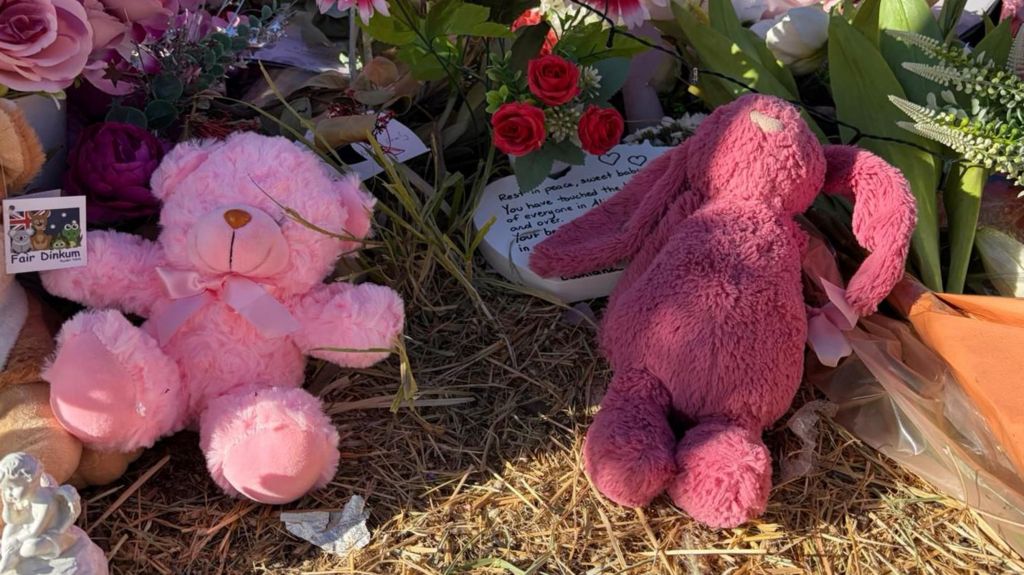
A devastating tragedy in central Australia has sparked systemic scrutiny of child protection services and widespread community unrest, after a 5-year-old Aboriginal girl, who is publicly identified as Kumanjayi Little Baby out of respect for Indigenous cultural mourning protocols, was allegedly murdered in Australia’s Northern Territory (NT).
In compliance with longstanding traditions of many Aboriginal and Torres Strait Islander communities, the child’s real name is not being used: cultural norms hold that sharing the name or likeness of a deceased loved one during the mourning period can disturb their spirit, so a pseudonym was adopted with community approval. A warning has also been issued to Indigenous readers noting this story references a person who has recently died.
Kumanjayi Little Baby, a non-verbal child, was last seen put to bed just before midnight on Anzac Day at Old Timers Camp, a government-managed Aboriginal town camp on the outskirts of Alice Springs that provides accommodation for Indigenous people visiting the regional center. She was reported missing several hours later, triggering a large multi-agency search across the surrounding region. Her body was discovered 5 kilometers from the camp on April 30, five days after she disappeared.
Police have taken 47-year-old Jefferson Lewis into custody, charging him with murder. Lewis was attacked by community members immediately after his arrest, and was initially treated at an Alice Springs hospital before being transferred to Darwin for his own safety. The arrest sparked violent unrest outside the hospital, with a full riot breaking out that led police to detain five additional people in connection with the violence. In a move to de-escalate tensions, a senior Indigenous elder and family member, Robin Granites, has publicly called for calm, urging the community to prioritize “sorry business” — the traditional collective period of mourning for the deceased.
In response to mounting anger over systemic failures, NT Child Protection Minister Robyn Cahill ordered an urgent review of the child protection system’s handling of Kumanjayi Little Baby’s case shortly after she was reported missing. Initially, Cahill told media, departmental officials assessed that “it was not a situation of concern,” per reporting from the Australian Broadcasting Corporation. But Cahill pushed for a deeper inquiry to examine how child protection protocols were followed in the lead-up to the child’s disappearance and death.
“I can’t go into the detail of what was in that brief but suffice it to say that we had to investigate how those processes had been executed,” Cahill told reporters this week. As a result of the preliminary review, three frontline child protection workers have been formally stood down from their active duties. Cahill clarified the decision to suspend the workers was made by the NT child protection department, not ministerial office.
The suspension came after The Australian newspaper published a report revealing that six separate welfare concerns about Kumanjayi Little Baby had been filed with authorities in the weeks before her murder. The alerts were submitted by a family relative and staff at a local domestic violence shelter, all raising serious red flags about the child’s safety in her living environment.
Across the country, community-led vigils will be held Thursday evening to honor Kumanjayi Little Baby, with public gatherings open to all attendees planned in Alice Springs and every major Australian capital city, as calls grow for a full independent inquiry into what systemic gaps allowed the tragedy to occur.