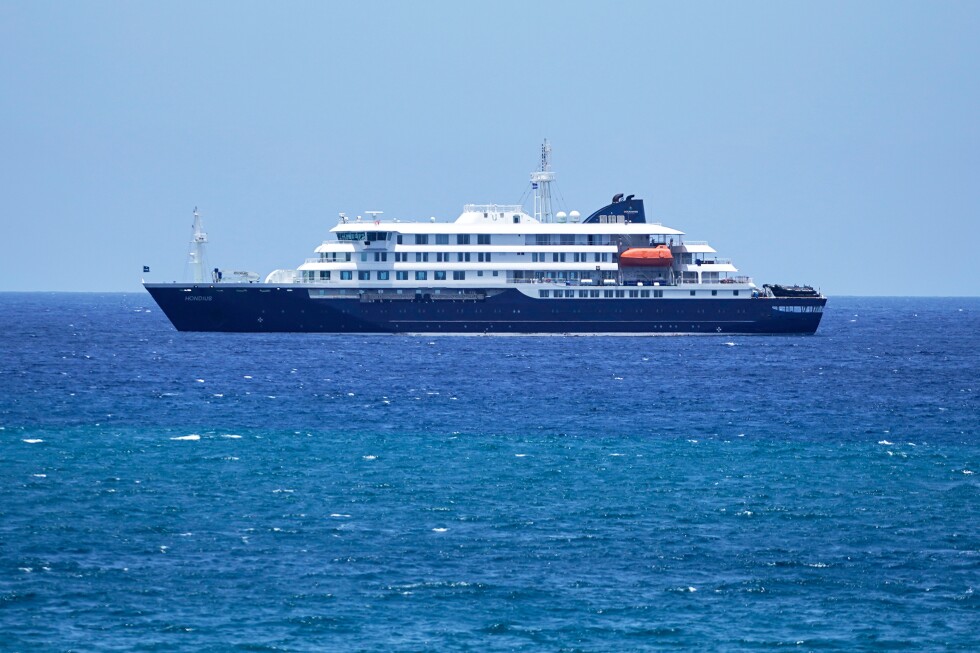
A rare, deadly hantavirus outbreak has swept through an Antarctic expedition cruise over the past month, leaving three passengers dead and multiple others ill, according to official updates from the World Health Organization (WHO), the vessel’s operator, and global ship tracking data.
The MV Hondius, operated by Dutch expedition cruise firm Oceanwide Expeditions, departed Ushuaia in southern Argentina on April 1 on a planned month-long voyage that would carry 149 passengers and crew from 23 nations to Antarctica and remote South Atlantic islands. These premium expedition trips, which target travelers seeking to visit some of Earth’s most isolated wilderness regions, cost between $6,000 and $25,000 per passenger, depending on cabin selection.
The first case emerged just five days into the voyage, when a 70-year-old Dutch passenger developed a fever, headache, and mild diarrhea on April 6. His condition deteriorated rapidly, and he died from respiratory distress on April 21 while the ship was traversing the open South Atlantic between the British overseas territories of South Georgia and Saint Helena. At the time, no clear cause of death could be identified on board, so the cruise continued its planned itinerary.
The vessel stopped near the remote island of Tristan da Cunha before reaching Saint Helena on April 24, where the passenger’s body was disembarked. The man’s 69-year-old wife, who had already started showing early symptoms of illness, left the ship to accompany her husband’s remains and boarded a commercial flight bound for South Africa. She grew critically ill mid-flight and collapsed upon landing in Johannesburg, dying in a local hospital on April 26.
After the ship left Saint Helena bound for Ascension Island, located 800 miles north of its previous stop, a third British passenger developed symptoms including high fever, shortness of breath, and pneumonia. He was evacuated from Ascension Island to a South African hospital for intensive care on April 27. A fourth passenger, a German woman, developed pneumonia-like symptoms and died on board on May 6, after the ship had altered course for Cape Verde off the West African coast. Her body remains in isolation on the vessel.
It took nearly three weeks from the first death for health officials to confirm hantavirus as the cause of the outbreak. After all routine tests on the hospitalized British passenger returned negative, South African public health labs ran a hantavirus analysis, which returned a positive result on May 6. Posthumous testing of the Dutch woman’s body returned a second positive hantavirus result the following day. As of the latest update, two cases are laboratory-confirmed, and WHO has classified the event as a full hantavirus outbreak, suspecting the other fatalities are also linked to the virus.
Currently, the MV Hondius is anchored off the coast of Cape Verde, with three symptomatic people still on board waiting for evacuation. The hospitalized British patient remains in intensive care in South Africa.
Hantavirus is primarily a rodent-borne pathogen, spread to humans through direct contact with infected rodents, their saliva, urine, or fecal droppings. While person-to-person transmission is extremely rare for most hantavirus strains, the Andes hantavirus — the specific variant identified in this outbreak, which is endemic to Argentina and Chile — can spread between humans in rare cases. In severe infections, hantavirus causes life-threatening respiratory failure and kidney damage, with a high mortality rate for serious cases.
International health authorities have stressed that the global risk from this outbreak remains very low, due to the virus’s limited ability to spread between people. WHO officials are currently conducting contact tracing for all passengers who shared the April 25 flight from Saint Helena to Johannesburg with the infected Dutch woman, to monitor for any secondary spread. The ship’s passengers and crew have been placed in full cabin isolation with strict physical distancing protocols, a measure that mirrors lockdown measures implemented widely during the COVID-19 pandemic.
As of Tuesday, Oceanwide Expeditions announced plans to deploy medical evacuation aircraft to Cape Verde to extract three people from the ship: two passengers requiring urgent medical care and one companion of the deceased German woman. The evacuated passengers will be flown to the Netherlands for care, though an exact arrival timeline has not been released. After the evacuation, the MV Hondius will sail approximately three days to the Spanish Canary Islands, though Spanish officials have not yet finalized their approval for the vessel’s port of entry as of Tuesday evening.
Investigations into the source of the outbreak remain ongoing. WHO officials are reviewing the travel histories of the first two infected passengers, who visited Argentina and other parts of South America before boarding the expedition cruise, to determine how the virus was introduced to the vessel.