In a marked shift from its earlier hands-off approach to artificial intelligence oversight, the Trump administration has secured voluntary agreements from three major tech players — Google, Microsoft, and Elon Musk-led xAI — to submit all new AI tools and capabilities for pre-release testing by the U.S. Department of Commerce, three people familiar with the arrangement confirmed this week.
Under the new pacts, the companies will send their cutting-edge AI models to the Commerce Department’s Center for AI Standards and Innovation (CAISI) for independent evaluation before the tools launch to the general public. The partnerships expand on earlier voluntary safety commitments secured during the Biden administration from leading AI developers including OpenAI and Anthropic, which established the framework for third-party testing of high-risk AI capabilities before public release. All participating companies’ models will undergo rigorous assessment of both functional capabilities and cybersecurity safeguards under the expanded program.
“These expanded industry collaborations help us scale our work in the public interest at a critical moment,” CAISI director Chris Fall said in a statement announcing the new agreements.
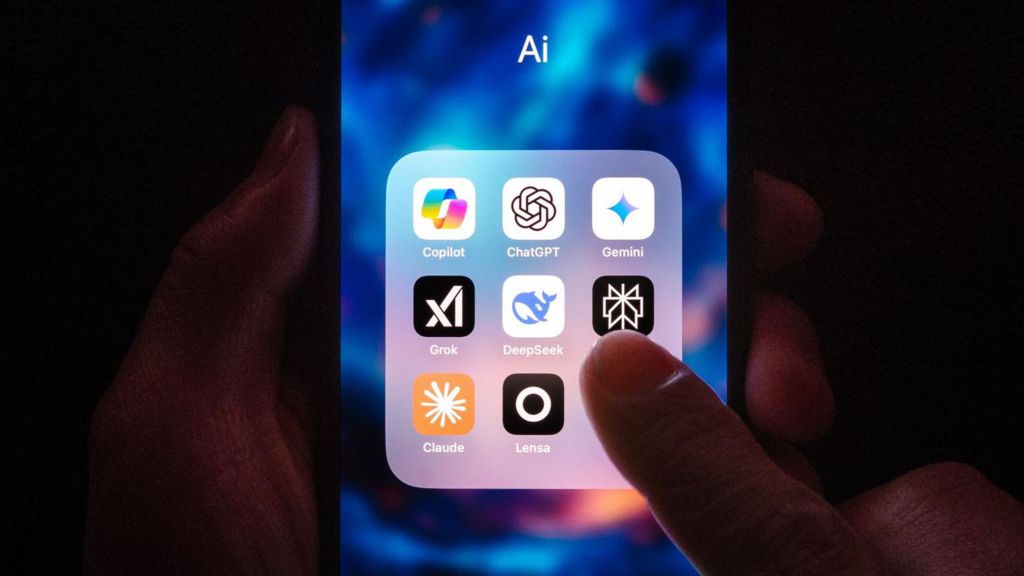
The scope of CAISI’s evaluations covers three core areas: hands-on functional testing, collaborative public-private research, and the development of industry-wide best practices for safe commercial AI deployment. Each of the three new participating firms brings high-profile, widely used AI tools to the testing framework: Google’s flagship model, Gemini, developed by its DeepMind subsidiary, already powers consumer Google products and is currently in use by U.S. defense and military agencies. Microsoft’s most prominent public AI offering is the CoPilot generative assistant integrated across its productivity and cloud platforms. xAI, which is controlled by Musk’s SpaceX, has only one public product to date: the Grok chatbot, which drew widespread public criticism and scrutiny last year after it was found to generate non-consensual deepfake pornographic images that undressed depicted individuals without consent.
CAISI officials noted Tuesday that the center has already completed 40 prior AI tool evaluations, including assessments of multiple unreleased state-of-the-art models. The center declined to specify whether any models evaluated in earlier rounds have been blocked from public release over safety concerns, and representatives for Google, Microsoft, and SpaceX did not respond to multiple requests for comment on the new testing agreements.
The expansion of pre-release voluntary testing marks a notable departure from the Trump administration’s initial policy stance. When Trump took office, his administration adopted a largely deregulatory, hands-off approach to AI oversight, framing heavy regulation as a barrier to U.S. global competitiveness in the fast-growing sector. Last year, Trump signed a series of executive orders that laid out his administration’s official AI Action Plan, which he said would “remove red tape and onerous regulation” surrounding AI development to ensure the U.S. “wins” the global race to lead AI advancement and control the technology.
But shifting national security priorities and growing industry warnings about unregulated powerful AI have pushed the administration to revise its approach. The U.S. military has rapidly expanded its own adoption of AI tools for operational and planning use in recent years, while leading AI developer Anthropic made headlines late last year when it publicly announced it had developed a new high-capability model called Mytho, which it deemed too powerful and high-risk to release to the public. Last month, senior Trump administration staff held a closed-door meeting with Anthropic CEO Dario Amodei, as first reported by the BBC, amid an ongoing legal dispute between Anthropic and the U.S. Department of Defense. The lawsuit stems from Anthropic’s refusal to remove built-in safety guardrails from its models for unfiltered government use.