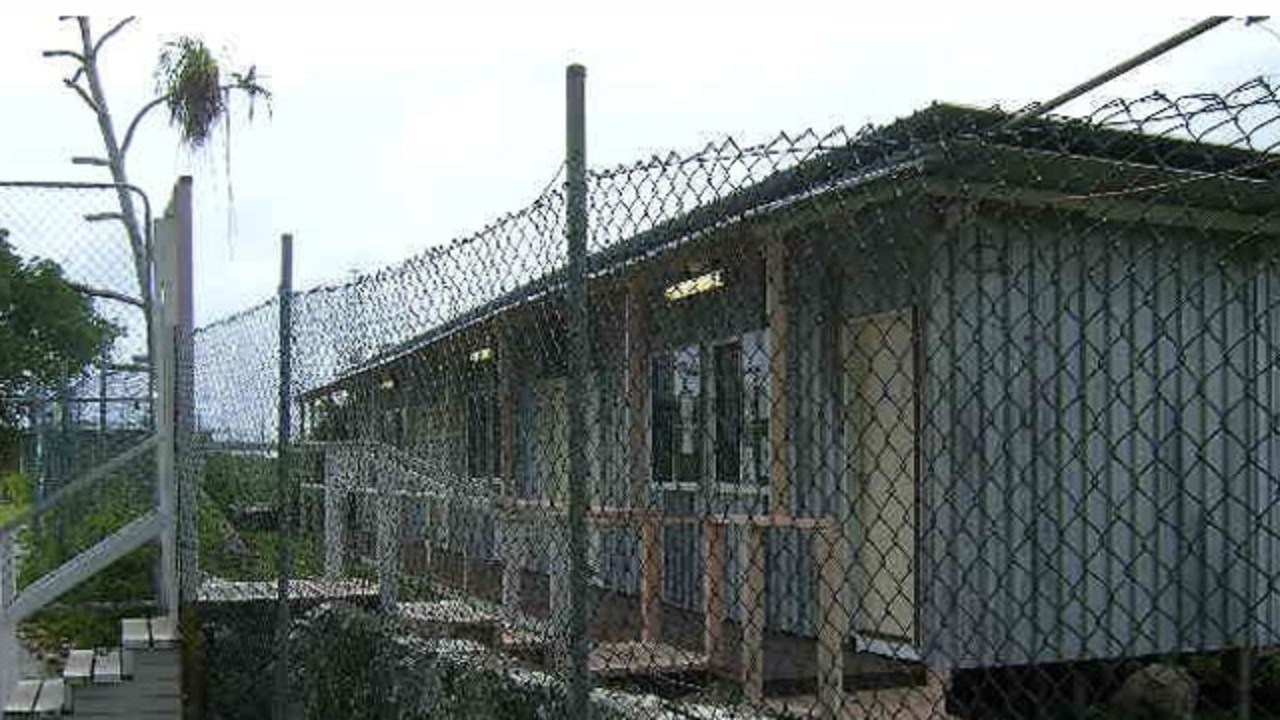
A former detainee at Australia’s offshore detention facility on Nauru has delivered harrowing, unprecedented testimony to a federal Senate inquiry, laying out detailed allegations of systemic grooming, sexual exploitation, and abuse of vulnerable women and children at the hands of government-contracted security guards.
The witness, identified only as Maryam, who was intercepted while attempting to reach Australia by boat in 2013 and subsequently detained on Nauru, appeared before the Legal and Constitutional Affairs References Committee in Canberra this week to share her account of life inside the controversial camp. Her testimony painted a bleak picture of chronic systemic deprivation that guards deliberately leveraged for their own abusive ends.
According to Maryam, the facility operated by contractors working under Australian government contracts saw guards build an exploitative ‘trading system’ that coerced detainees into sexual compliance in exchange for basic necessities. Detainees who needed critical items including food, hygiene products, and tobacco were forced to trade sexual favors to access the goods they needed to survive. For children, the manipulation followed a similar pattern: guards offered small treats like lollipops or chewing gum in exchange for hugs or kisses, a pattern of behavior Maryam now recognizes as deliberate grooming.
‘Many of us struggled to process what was happening while we lived through it,’ Maryam told the committee. ‘But looking back, it is clear that women and children across the center were being systematically groomed by the very people paid to keep us safe. They used their power over our access to basic needs for their own gratification.’
Maryam confirmed that the accused guards included both Australian and Nauruan nationals, all of whom were compensated through Australian federal government contracts. Beyond the sexual exploitation, she detailed ongoing neglect that created the conditions for abuse: detainees were forced to wear the same clothing – including undergarments – they arrived in for up to six months, a policy that led to widespread skin infections and other preventable health issues across the camp.
Shortages of essential goods were not accidental, she argued, but a persistent condition that empowered guards to exploit vulnerable detainees for coercive sexual exchanges. ‘We ended up needing protection from the people who were supposed to protect us,’ she told the inquiry.
The current inquiry is focused on reviewing Australia’s longstanding offshore refugee processing and resettlement policies, a contentious political framework that has drawn international criticism for decades for poor treatment of asylum seekers. Investigators have been collecting evidence from witnesses and stakeholders over the past several months, and a final report outlining the committee’s findings is scheduled for publication in early June.