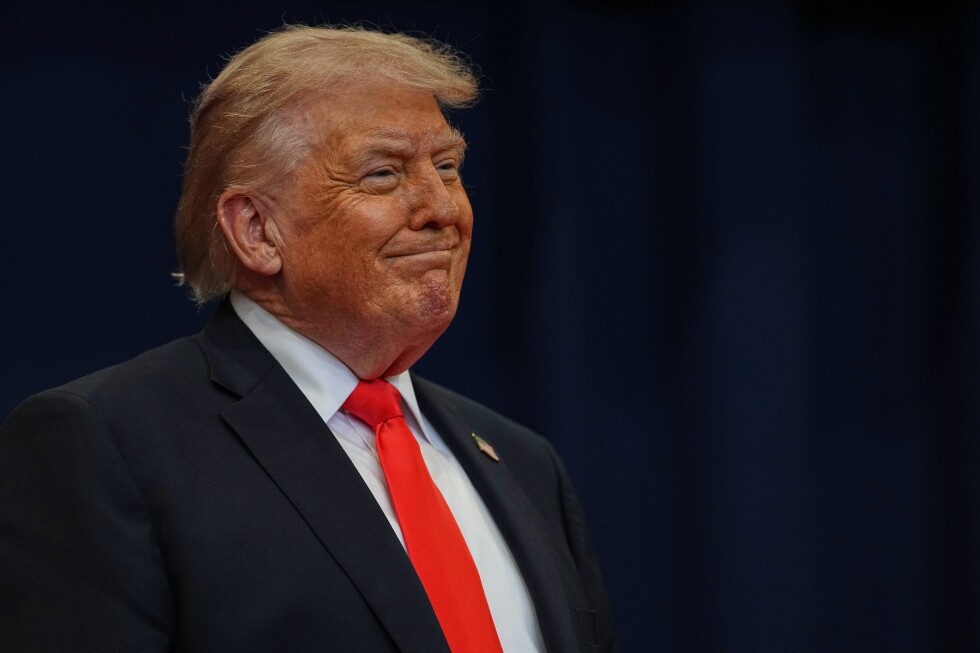
The Pentagon officially confirmed Friday that approximately 5,000 United States military personnel will be pulled out of Germany over the next six to 12 months, carrying out a threat issued by President Donald Trump amid a sharp public clash with German Chancellor Friedrich Merz over Washington’s ongoing war with Iran.
The dispute that triggered this latest troop withdrawal plan erupted earlier this week, after Merz publicly stated that U.S. leadership had been “humiliated” by Iran’s government and harshly criticized the Biden administration’s lack of a clear strategic framework for the conflict. Trump picked up on the criticism quickly, moving to follow through on his long-stated goal of shrinking the U.S. military footprint in the European NATO ally.
In an official statement, Pentagon press secretary Sean Parnell framed the troop drawdown as the outcome of a comprehensive review of the Defense Department’s force posture across Europe, noting the decision aligns with current theater operational requirements and on-the-ground security conditions. Germany currently hosts a sprawling network of critical U.S. military infrastructure, including the joint headquarters for U.S. European Command and U.S. Africa Command, Ramstein Air Base — a key logistics and transport hub for U.S. operations across Europe, Africa and the Middle East — and Landstuhl Regional Medical Center, which for decades has treated combat casualties from the Afghanistan and Iraq wars. The country also hosts deployed U.S. nuclear missiles as part of NATO’s collective deterrence framework.
The 5,000 troops scheduled for withdrawal make up roughly 14% of the 36,000 active-duty U.S. service members currently stationed across Germany. Nico Lange, a senior fellow at the Center of European Policy Analysis, told the Associated Press earlier this week that most of the U.S. troops deployed to Germany primarily serve core American strategic interests, including the global projection of U.S. military power, rather than focused support for Germany’s territorial defense.
As President Trump boarded Air Force One following an economic policy rally in Ocala, Florida Friday, he declined to answer reporter questions about the withdrawal decision. This is not the first time Trump has advanced a plan to cut U.S. troop numbers in Germany: during his first term, he proposed pulling roughly 9,500 troops from the then-garrison of 34,500 U.S. personnel, but never initiated the drawdown process. Shortly after taking office in 2021, former Democratic President Joe Biden formally canceled the planned withdrawal.
The unpredictable U.S. leader has publicly debated reducing the American military presence in Germany for years, and has repeatedly criticized NATO for declining to join the U.S.-led war against Iran, which began February 28 with coordinated U.S.-Israeli strikes on Iranian targets. In a social media post Wednesday, Trump confirmed the administration was reviewing potential troop reductions and would announce a final decision imminently. The next day, he doubled down on his criticism of Merz, posting that the German chancellor should focus more on ending the Russia-Ukraine war and addressing domestic economic problems in Germany instead of commenting on U.S. policy toward Iran.
NATO allies across Europe have been preparing for a potential U.S. troop drawdown since Trump began his second term, after the administration repeatedly signaled that Europe would need to take full responsibility for its own collective security going forward, including security support for Ukraine. Overall, the U.S. maintains a rotating troop presence of between 80,000 and 100,000 personnel across Europe, and allies have anticipated for more than a year that troops deployed to Eastern Europe after Russia’s 2022 full-scale invasion of Ukraine would be the first to be repositioned or withdrawn.
Ed Arnold, a European security expert at the London-based Royal United Services Institute (RUSI), explained that many European capitals are more concerned about potential U.S. plans to reposition Patriot missile defense systems and stockpiled ammunition from Germany to the Middle East to support the Iran war than the overall troop drawdown itself. The U.S. already confirmed a troop reduction on NATO’s eastern border with Ukraine back in October, cutting between 1,500 and 3,000 troops on short notice — a move that sparked unease in NATO member Romania, which hosts a key NATO air base on the Black Sea.