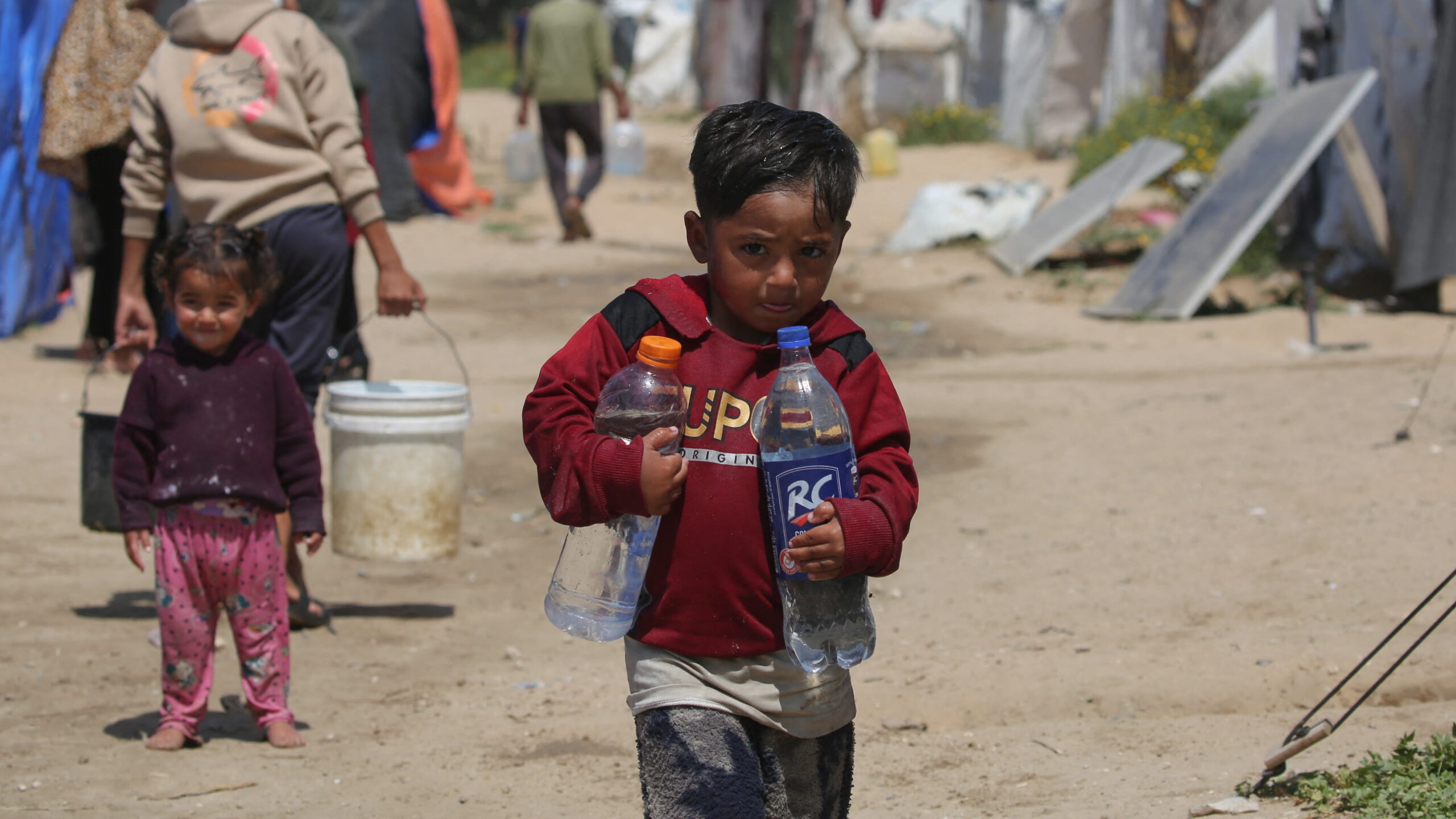
On April 29, 2026, global medical humanitarian organization Doctors Without Borders (MSF) released a damning new report that levels serious accusations against Israel, charging that the country has deliberately weaponized access to clean water against Palestinian civilians trapped in the besieged Gaza Strip as part of what MSF calls an ongoing campaign of genocide.
The 36-page report, titled *Water as a Weapon: Israel’s Destruction and Deprivation of Water and Sanitation in Gaza*, draws its conclusions from on-the-ground field interviews, firsthand witness testimonies, and verified medical data collected by MSF teams operating in Gaza. The investigation confirms that Israel has systematically cut off Gaza’s population from adequate water supplies, a policy MSF frames as a deliberate act of collective punishment that is central to broader atrocities against Palestinians.
“Deliberately denying Palestinians access to water is an integral part of Israel’s genocide,” the report states. MSF documents that the forced water shortage has been imposed in tandem with mass forced displacement of Palestinian communities, widespread destruction of civilian infrastructure, and ongoing targeted killings—including attacks on civilians who leave their shelters to collect water for their families.
One harrowing account included in the report comes from Hanan, a grandmother living in Gaza City, who described the killing of her 10-year-old grandson in July. The child had been standing in a line waiting to collect drinking water when Israeli forces opened fire, killing him instantly. “Getting water is not supposed to be dangerous,” Hanan told MSF investigators, a line that underscores the daily mortal risk Gaza residents face to meet a basic human need.
Claire San Filippo, MSF’s emergency manager for the Gaza response, emphasized that Israeli authorities are fully aware of the catastrophic consequences of their water policy. “They know that without water life ends, yet they have deliberately and systematically obliterated water infrastructure in Gaza – while consistently blocking water-related supplies from entering,” San Filippo explained.
Official data from the report confirms that since the start of Israel’s military campaign in October 2023, nearly 90 percent of all water and sanitation infrastructure across Gaza has been damaged or completely destroyed by Israeli attacks. Beyond the collapsed infrastructure, Gaza residents face a litany of daily barriers to accessing even small amounts of safe water: collection points are often located miles from overcrowded displacement camps, supplies are irregular, the physical labor of carrying heavy water containers puts vulnerable people at risk, prices for smuggled water are out of reach for most families who have lost their incomes, and Israeli authorities continue to restrict the entry of materials needed to repair damaged water systems.
MSF also documented direct, intentional attacks on clearly marked water infrastructure and delivery vehicles, including targeted strikes on water trucks and functional boreholes that serve entire displacement communities.
San Filippo warned that the combination of widespread water deprivation, catastrophic overcrowding in emergency shelters, collapsing sewage systems, and a completely non-functional health system has created ideal conditions for deadly infectious disease outbreaks to spread across the enclave. “This is a deliberate public health disaster that Israel has created to harm as many Palestinian civilians as possible,” she added.
The release of the MSF report comes as violence across Gaza surges, in what Palestinian officials describe as widespread violations of the temporary ceasefire agreement reached in October. On the same day MSF published its investigation, Israeli forces carried out multiple air strikes and ground operations across Gaza that killed at least nine Palestinians, including four children. Among the victims was 9-year-old Adel Lafi al-Najjar, who was killed in an air strike on central Khan Younis near the Abu Hamid roundabout—an area that was meant to be outside Israeli military deployment zones, according to local residents.
Two separate strikes targeting civilian vehicles in Gaza City killed another four Palestinians on Tuesday. Updated data from the Palestinian Ministry of Health confirms that more than 820 Palestinians have been killed by Israeli forces since the ceasefire went into effect, a death toll that continues to climb daily. Since the start of the Israeli campaign, nearly 72,600 Palestinians have been confirmed killed, with thousands more still missing and presumed dead under the rubble of destroyed residential and commercial buildings across Gaza.