In a significant escalation of its campaign to choke off Iran’s primary oil export revenue, the Trump administration announced sweeping new economic sanctions Friday targeting a top Chinese independent oil refinery and around 40 shipping firms and tankers linked to the transport of Iranian crude. The move, first revealed by The Associated Press, follows through on longstanding White House threats to impose secondary sanctions on any entities and nations that continue commercial activity with Iran, marking a sharp escalation of tensions across multiple diplomatic fronts.
Concurrent with the latest sanctions package, the U.S. has also enacted a physical blockade of the Strait of Hormuz this month, the critical Persian Gulf chokepoint through which roughly a fifth of the world’s daily oil consumption passes, amplifying already severe disruptions to global energy markets.
The timing of the announcement places new strain on bilateral relations just weeks before a scheduled in-person meeting between U.S. President Donald Trump and Chinese President Xi Jinping in China, a summit that was already expected to address a host of contentious trade and geopolitical disagreements between the two global powers.
At the center of Friday’s sanctions is Hengli Petrochemical’s large-scale refinery complex in the northeastern Chinese port city of Dalian. The facility boasts a daily crude processing capacity of approximately 400,000 barrels, earning its status as one of the largest independent refineries in all of China. According to the U.S. Treasury Department, Hengli has accepted multiple shipments of Iranian crude since 2023, activities that the agency says have generated hundreds of millions of dollars in revenue for Iran’s military establishment. Advocacy group United Against Nuclear Iran first identified Hengli as one of dozens of regular Chinese buyers of Iranian crude in a February 2025 report.
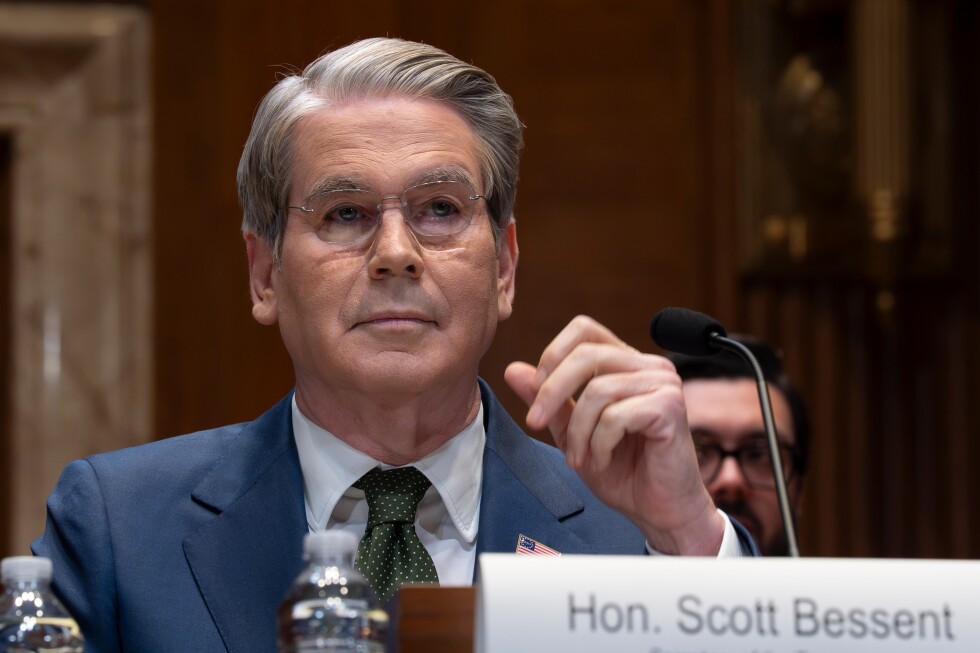
Treasury Secretary Scott Bessent reaffirmed the administration’s hardline stance in comments released Friday, stating that the department “will continue to constrict the network of vessels, intermediaries and buyers Iran relies on to move its oil to global markets.” The push to cut off Iranian oil trade has accelerated in recent weeks: earlier this month, Bessent’s department issued a formal letter to financial institutions across China, Hong Kong, the United Arab Emirates and Oman, warning that the U.S. would impose secondary sanctions on any institutions facilitating Iranian trade, accusing these jurisdictions of allowing illicit Iranian financial activities to operate through their banking systems.
Speaking at a White House press briefing on April 15, Bessent underscored the gravity of the administration’s new policy, noting “we have told countries that if you are buying Iranian oil, that if Iranian money is sitting in your banks, we are now willing to apply secondary sanctions, which is a very stern measure.”
The sanctions come amid a period of extreme turmoil for the global energy trade, where ongoing conflict around the Persian Gulf has already disrupted oil and natural gas shipments, driving international energy prices sharply higher. To partially mitigate the economic impact of rising fuel costs, the Treasury Department has issued temporary sanctions waivers for Russian crude imports and a one-time exemption for Iranian cargoes already at sea ahead of the new sanctions.
As of Friday, the Associated Press reported that it was still working to secure official comment from Chinese government representatives on the latest sanctions announcement. However, Beijing has already issued a formal rebuke of similar measures taken earlier this month against another Chinese refinery tied to Iranian oil purchases. Liu Pengyu, spokesperson for the Chinese embassy in Washington, said at the time that the unilateral U.S. sanctions “undermines international trade order and rules, disrupts normal economic and trade exchanges, and infringes upon the legitimate rights and interests of Chinese companies and individuals.”