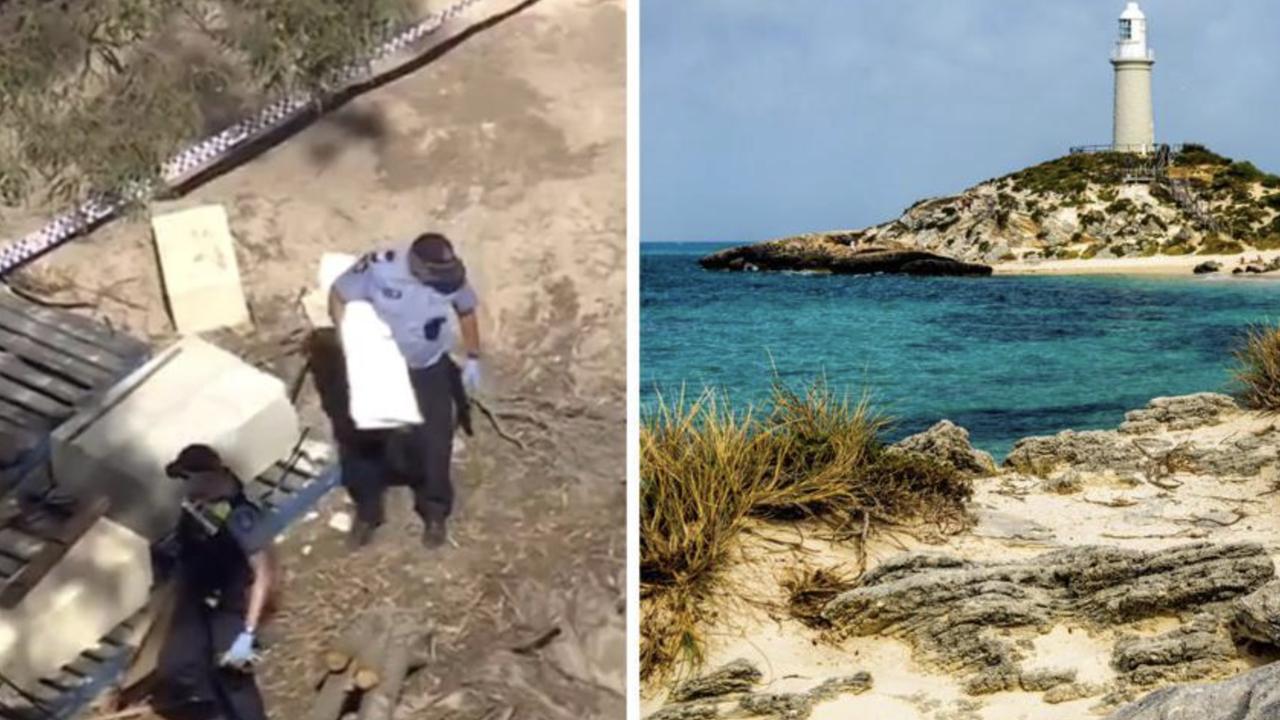
One of Western Australia’s most beloved tourist destinations, Rottnest Island — better known for its sun-soaked white-sand beaches, iconic wild quokkas and postcard-perfect coastal views — is now at the center of a sobering discovery that pulls back the curtain on the site’s brutal colonial history.
The discovery began earlier this month, when construction crews carrying out upgrades for a new bus stop near Holy Trinity Church, located on the island roughly 19 kilometers off the coast of Perth, uncovered a set of unidentified human bones. Work on the infrastructure project immediately halted after the find, triggering a joint investigation by local police and the state’s lead archaeologist. Subsequent forensic testing confirmed the remains were of Indigenous ancestry and dated to historical times, aligning with the island’s dark past as a 19th and early 20th century Aboriginal prison.
To determine if more unmarked graves sat beneath the construction site, authorities deployed ground-penetrating radar to survey the surrounding area. The advanced scanning technology has now identified 12 separate locations across the site that show strong potential to be unmarked burial sites. Further archaeological and anthropological work is required to confirm the findings and analyze any potential remains at the sites.
Rottnest Island, known by its traditional name Wadjemup to the local Whadjuk Noongar people, has a long and violent colonial history that is often overshadowed by its modern reputation as a top global tourist spot. From 1838 to 1931, the island operated as a forced labour camp and prison for Indigenous Australian men and boys, holding more than 4,000 prisoners over the near-century of operation. Many incarcerated people died on the island from poor conditions, abuse and disease, and scores are believed to be buried in unmarked graves across the site.
In a joint statement from the Rottnest Island Authority (RIA) and the Whadjuk Aboriginal Corporation (WAC), representatives acknowledged the profound cultural and spiritual importance of Wadjemup to the Whadjuk Noongar people and all Aboriginal Australian communities. The organizations confirmed that since the initial discovery of remains, they have collaborated closely to uphold traditional cultural protocols and guide all decision-making around site protection and management with cultural respect.
“We acknowledge and express our deep regret for the significant distress this incident and subsequent investigations has caused Aboriginal people,” the statement added. Moving forward, all work at the site will remain paused while experts work with Indigenous stakeholders to conduct further investigations and plan next steps that honor the cultural significance of the area.