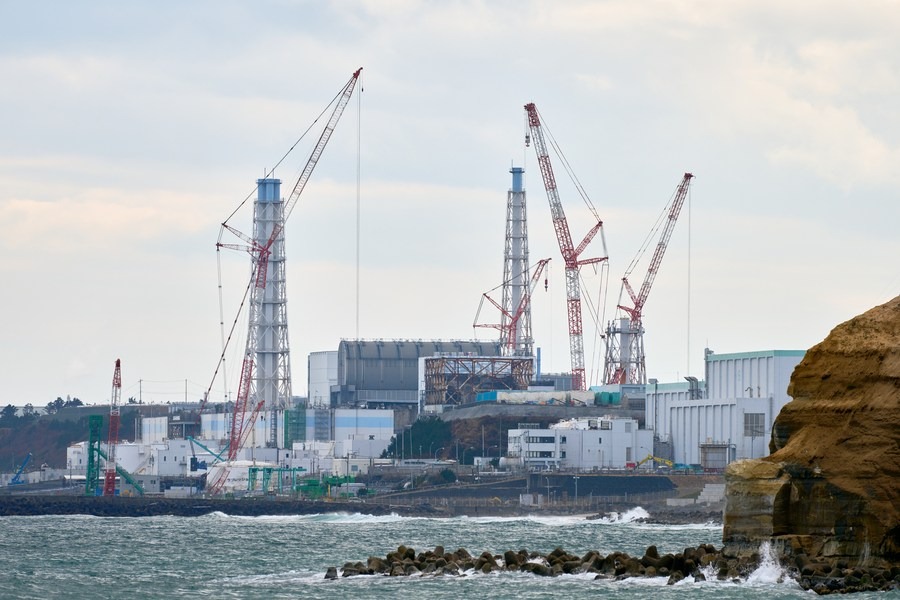
Fifteen years after a catastrophic 9.0-magnitude earthquake and devastating tsunami triggered one of the worst nuclear accidents in modern history, plant operator Tokyo Electric Power Company Holdings (TEPCO) has made a landmark measurement inside the crippled Fukushima Daiichi Nuclear Power Plant: “extremely high” radiation levels detected within the facility’s No. 2 reactor.
Published by TEPCO this Thursday, the findings mark the first time that operational staff have successfully recorded radiation readings inside one of the three reactors that suffered full core meltdowns during the 2011 disaster. According to Japan’s national public broadcaster NHK, the measurement was collected on April 16, when a fiberscope fitted with specialized radiation detection hardware was fed through existing plant piping into the sealed reactor chamber.
At a measurement point roughly five meters above the reactor’s base, the device recorded a radiation dose of 4.7 sieverts per hour — a level officially categorized as “extremely high” by nuclear safety standards. To put this figure in context, a full-body exposure of just 5 sieverts is estimated to cause fatal radiation poisoning in half of all affected humans, highlighting the extreme hazards still present inside the damaged facility more than a decade after the accident.
TEPCO officials confirmed that the new readings confirm the continued presence of a substantial volume of molten nuclear debris inside the No. 2 reactor. In the wake of the 2011 disaster, all three of the plant’s operating reactors (Units 1 through 3) suffered complete core meltdowns when the tsunami knocked out backup power for cooling systems, leaving behind an estimated total of 880 metric tons of highly radioactive molten debris spread across the three damaged reactor chambers.
Moving forward, TEPCO announced it will conduct deeper analysis of the collected data to refine existing models of debris distribution, and will continue developing safe methodologies to eventually remove the radioactive material from the reactors. The removal of this debris is universally recognized as the single greatest technical hurdle to the full decommissioning of the Fukushima Daiichi plant, a decades-long project that has faced repeated delays and unforeseen challenges since cleanup efforts began.