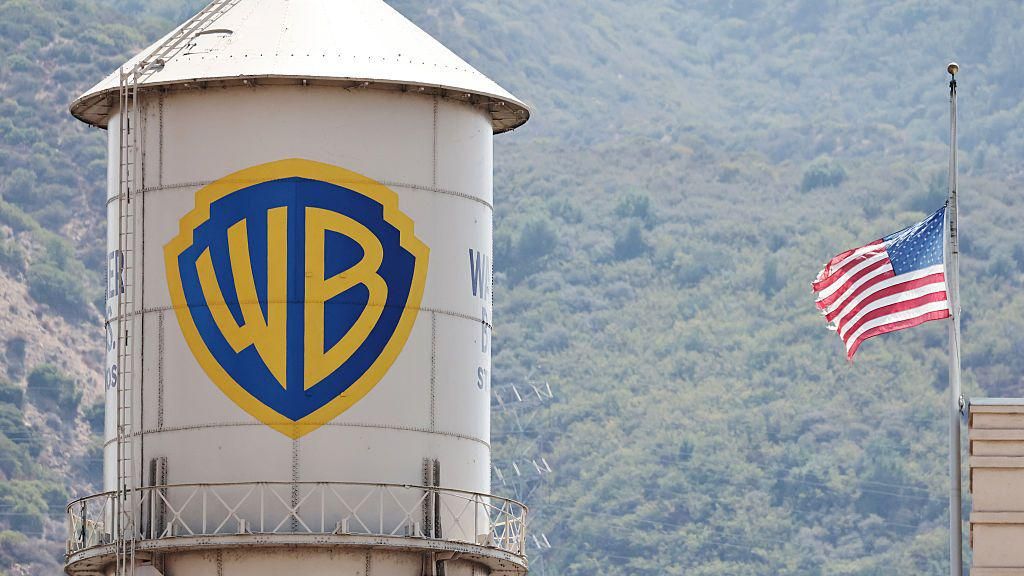
In a pivotal move that stands to reshape the global media and entertainment landscape, shareholders of Warner Bros Discovery have formally approved an $111 billion acquisition by Paramount, the media enterprise controlled by Skydance owner David Ellison. Once finalized, the merger will place Warner Bros Discovery’s unparalleled roster of iconic intellectual property and major media assets—including blockbuster franchises *Harry Potter* and *Game of Thrones*, influential cable news network CNN, streaming platform HBO Max, Food Network, Discovery Channel and an extensive lineup of sports content—under Paramount’s expanding corporate umbrella.
The approval caps a chaotic multi-month bidding process that saw streaming giant Netflix first launch a takeover offer for Warner Bros Discovery, only to step aside after Paramount tabled a higher, competing bid that won over Warner Bros Discovery leadership. In a statement following the shareholder vote, Warner Bros Discovery chair Samuel DiPiazza framed the merger as a transformative step for both companies. “With Paramount, we look forward to creating an exceptional combined company that will expand consumer choice and benefit the global creative talent community,” DiPiazza said, adding that the deal will “unlock the full value of our world-class entertainment portfolio.”
Paramount, which already boasts a stable of established media brands including Nickelodeon, CBS and Comedy Central, has positioned the merger as a critical step in its evolution into a major Hollywood powerhouse. The company is backed by tech billionaire Larry Ellison, founder of Oracle, and led by his son David Ellison, who serves as CEO and chairman of Paramount. David Ellison, a prominent Republican donor, is set to host a high-profile dinner for former president and 2024 presidential candidate Donald Trump Thursday at the U.S. Institute of Peace in Washington D.C., a gathering that has already drawn intense backlash from critics and protesters.
A-list actor Mark Ruffalo is scheduled to join demonstrators outside the venue, who have labeled the event a “corruption gala” over the merger’s ongoing regulatory review and concerns about the Ellison family’s control of CNN. Donald Trump, who has repeatedly attacked CNN’s coverage of his political career and called for the network to be sold off amid the takeover, has previously described CNN’s leadership as “corrupt or incompetent” and argued they should not retain control of the network. These concerns have resonated with critics, who worry that the new ownership could compromise CNN’s journalistic independence.
The merger has also sparked broad opposition across the creative community, with hundreds of prominent industry figures warning that the consolidation will deepen existing struggles in the entertainment sector. In April, more than 1,400 actors, directors and filmmakers—including Oscar winners Emma Thompson and Javier Bardem, and comedy star Ben Stiller—signed an open letter outlining their opposition. The letter argued the merger would lead to “fewer opportunities for creators, fewer jobs across the production ecosystem, higher costs, and less choice for audiences in the United States and around the world.”
Paramount has pushed back against these criticisms, issuing a public pledge to support creative talent and expand opportunities for content creators. The company says the combined entity will open more distribution avenues for creators’ work, rather than reducing access.
Despite shareholder backing, the merger still faces a critical regulatory hurdle: it must earn approval from both the U.S. Department of Justice and European Union competition watchdogs before it can move forward. Paramount has said it expects the merger to be finalized by September, pending the required regulatory clearances. If approved, the company plans to integrate Warner Bros Discovery’s HBO Max subscriber base into its existing streaming portfolio, creating one of the largest combined media companies in the world.