In Kampala, Uganda, a proposed piece of government legislation framed as a defense against foreign political interference is facing fierce, cross-sector backlash over its sweeping, broad definitions of ‘foreign agents’ and the widespread harm critics warn it could inflict on civic and economic activity across the country.
The draft law, officially dubbed the Protection of Sovereignty Bill, is currently advancing through parliamentary review, with a final vote potentially coming within days. Despite mounting condemnation from a diverse coalition including political opposition groups, banking industry leaders, business associations, civil society organizations and ordinary Ugandans who rely on cross-border remittances, the legislation continues to move forward.
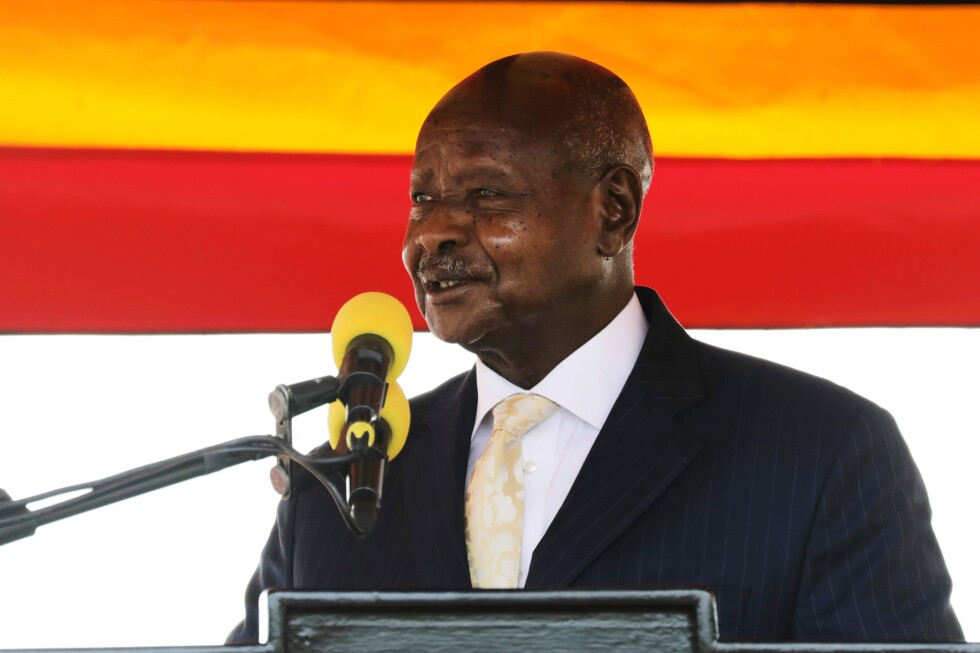
Critics across the political and social spectrum argue the bill’s true purpose is not to protect national sovereignty, but to stifle political opposition and crack down on independent civic groups, which frequently rely on international grants to carry out work focused on governance accountability and human rights promotion. For observers, the bill marks a clear escalation of long-growing authoritarian repression under long-ruling President Yoweri Museveni.
Prominent Ugandan political analyst Charles Onyango-Obbo described the legislation’s provisions as unprecedented in their scope and potential impact. ‘They redefine who counts as foreign,’ he explained. ‘This law extends state control beyond political spheres into nearly every corner of daily economic and social life.’
Unlike traditional regulations that only target non-citizens, the bill’s definition of a foreign actor includes any Ugandan citizen residing outside the country, along with all companies and organizations not formally domiciled in Uganda. This broad classification catches everyone from international students and migrant workers to diaspora businesspeople and diplomatic staff living abroad. If enacted in its current form, all Ugandans falling under the foreign agent definition would be required to complete official registration to avoid processing delays for banking transactions, with banks facing heavy penalties if they fail to comply with the new rules.
Ugandan authorities have defended the legislation, arguing it is necessary to safeguard national social cohesion and protect the country’s internal affairs from outside interference. But opponents counter that the bill’s reach is so broad that it would impact nearly every Ugandan, whether living at home or in the diaspora.
Isaac Ssemakadde, president of the Uganda Law Society, rejected the government’s framing in an official statement. ‘This bill does not protect sovereignty,’ he said. ‘It destroys the very sovereignty — the people’s right to self-determination — that belongs to all Ugandans.’
Among the key controversial provisions is a cap on external funding for any group labeled a foreign agent: organizations would be banned from receiving more than 400 million Ugandan shillings (roughly $110,000) in external grants or funding over a 12-month period without explicit approval from the interior minister.
The Uganda Bankers’ Association raised alarm about the legislation’s potential economic fallout in a formal letter sent to the attorney general’s office. The group warned the bill would undermine the central bank’s exclusive regulatory authority, erode foreign investor confidence, and create an unpredictable operating environment for all commercial financial institutions. Because most Ugandan commercial banks count foreign shareholders and rely on offshore borrowing, routine banking activity could easily trigger the foreign agent classification, the association noted, causing compliance and reputational risks to spike overnight.
The introduction of the bill comes just months after Museveni, 81, secured his seventh consecutive term in office in a disputed January election that has been widely rejected by the opposition as fraudulent. Museveni, who has held uninterrupted power since 1986, has a long history of labeling his political opponents as foreign agents undermining national interests. His main rival in the 2021 election, opposition leader Bobi Wine, was repeatedly accused by Museveni of being an unpatriotic foreign proxy.
Wine, who went into hiding immediately after the election and now lives in temporary exile in the United States, has repeatedly denied these accusations. He says Museveni must be held accountable for the widespread abuses that have occurred during his decades-long rule. Wine, who draws broad support from young urban Ugandans, officially garnered 24.7% of the vote, a result he has dismissed as fabricated.
Sarah Bireete, head of the Center for Constitutional Governance, a leading Ugandan civic group, criticized the government for hiding behind nationalist rhetoric to target civil society. ‘If you want to regulate and close down civil society, just amend the existing NGO Act,’ she told reporters. ‘If you want to eliminate civil society in Uganda entirely, go amend the constitution and say openly that there will be no civil society here. But hiding behind the banner of protecting sovereignty to crack down on independent groups? If that’s your goal, why not just change the existing laws that govern civil society directly?’