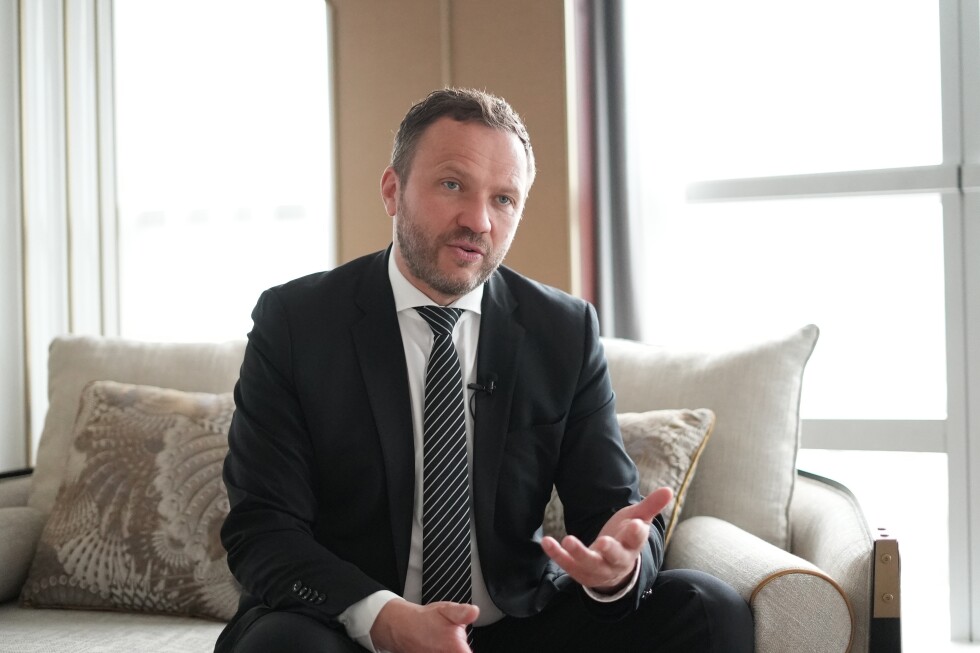
During a high-level diplomatic visit to Hanoi this week, Estonian Foreign Minister Margus Tsahkna held substantive talks with Vietnamese Prime Minister Le Minh Hung, outlining a bold agenda to expand bilateral collaboration across trade, digital technology and governance transformation. Diplomatic ties between the small Baltic EU member and the Southeast Asian economic heavyweight have warmed considerably in recent years, with a landmark bilateral digital cooperation agreement already set to take effect in 2025. Though Estonia contributes only 0.2% of the entire European Union’s total gross domestic product, the nation has carved out a global reputation as a pioneering leader in digital governance and e-government innovation, expertise it is eager to share with Vietnam as Hanoi pursues sweeping domestic reforms to reach high-income economy status by 2045. Tsahkna emphasized that partnering to digitize Vietnam’s public services would deliver tangible benefits: cutting through bureaucratic red tape, boosting government transparency, and reducing operational costs for both citizens and businesses. “It becomes far faster for people to access public sector services when systems are fully digitized,” Tsahkna told reporters from the Associated Press on the sidelines of the Hanoi meetings. He added that Vietnamese officials had already tabled a proposal for a new bilateral education cooperation agreement, opening another avenue for people-to-people ties. According to Vietnamese state media, Prime Minister Hung made two key requests of Estonia during the talks: that the Baltic nation push the European Union to formally ratify the stalled EU-Vietnam Investment Protection Agreement, and that it back Hanoi’s efforts to have the European Commission’s “yellow card” warning lifted. The trade restriction currently blocks many Vietnamese seafood imports over unsubstantiated claims of illegal, unreported and unregulated fishing. Beyond economic and digital cooperation, Tsahkna framed the bilateral partnership as mutually beneficial in broader strategic terms: Estonia can act as a convenient, low-barrier gateway for Vietnamese companies seeking access to the 27-nation EU single market, while Vietnam gives Estonia a strategic foothold and access to one of the fastest-growing consumer markets in the Southeast Asian region. “For us, Vietnam is one of the priority countries in the entire Indo-Pacific region,” Tsahkna said. The visit also gave Estonian officials a platform to share Europe’s perspective on the ongoing conflict in Ukraine, where Estonia views Russian aggression as an “existential threat” to European security. This outreach comes as Vietnam has maintained a long-standing diplomatic relationship with Moscow stretching back to 1950, and has stuck to a carefully calibrated neutral stance on the war, calling for peaceful negotiations while declining to issue direct public criticism of Russia. Tsahkna acknowledged that Estonia’s renewed diplomatic focus on Vietnam and broader Southeast Asia is shaped by both shifting geopolitical pressures and new economic opportunities. In particular, he noted that former U.S. President Donald Trump’s repeated criticism of European defense spending and persistent transatlantic tariff tensions have pushed the EU to diversify its diplomatic and economic partnerships beyond traditional allies, turning greater attention to fast-growing emerging markets across the Indo-Pacific.