A high-stakes two-day G7 environment ministerial gathering kicking off in Paris this week will deliberately sideline discussions on climate change, a move explicitly designed to avoid open conflict with the United States, according to the French government.
The office of French Ecology Minister Monique Barbut confirmed the controversial decision Wednesday, noting organizers opted to center the agenda on what it called less divisive environmental topics in order to accommodate the stance of the G7’s most economically and politically powerful member. “We chose not to address the climate issue head-on… because the United States’ positions on this subject are well known,” the ministry stated in a formal comment. “We wanted to prioritise G7 unity, particularly to protect this forum.”
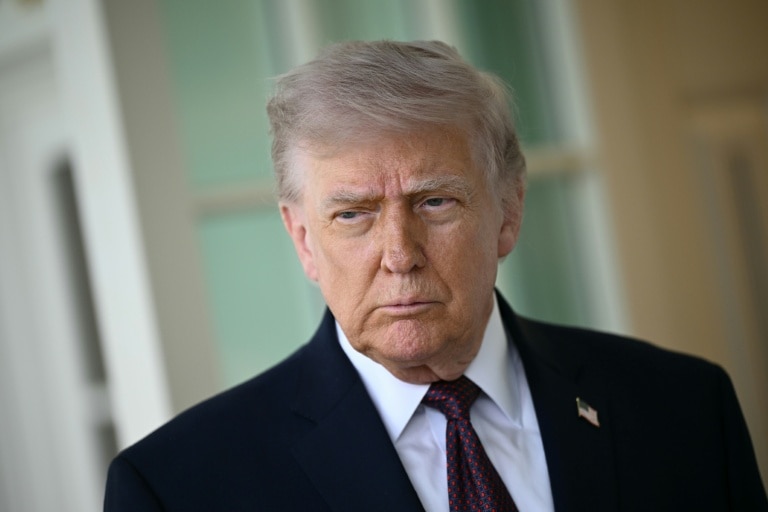
This exclusion comes against the backdrop of major shifts in U.S. climate policy under the second Donald Trump administration, which has formally withdrawn the country from international climate accords and rolled back a raft of domestic environmental protections since taking office in 2025.
Senior environment officials from the other six G7 members – France, Italy, Canada, Japan, Germany and the United Kingdom – will attend the gathering, while Washington will send Usha-Maria Turner, assistant administrator for the Office of International and Tribal Affairs at the U.S. Environmental Protection Agency, to represent U.S. interests.
In place of climate negotiations, delegates will deliberate on a suite of other environmental priorities: ocean conservation, financing for global biodiversity protection, and the growing crisis of desertification of arid drylands. France is leading a major push to secure G7 backing for a new cross-sector public-private funding initiative for biodiversity. Sources familiar with the planning indicate the ministry aims to announce an $800 million commitment to support national park expansion and protection across roughly 20 African nations during the meeting.
The gathering is also scheduled to work toward a formal political declaration linking desertification prevention to global security, advance a global alliance for expanding marine protected areas, and host working sessions on reducing global water pollution. On the opening day Thursday, delegates will also travel to the Fontainebleau forest south of Paris for a dedicated session on forest conservation.
Environmental and climate activists have roundly criticized the decision to drop climate from the official agenda, arguing it undermines the group’s ability to address what is widely recognized as the defining environmental crisis of the 21st century. Gaia Febvre, a representative of the global activist network Climate Action Network, told reporters that “a G7 moving at the pace of the United States cannot claim to respond to the crises of the century. By yielding to pressure, it weakens collective action and renounces its potential leading role.”
Even conservation advocates who praised G7 plans for biodiversity funding have raised cautions about the new initiative. Jean Burkard, advocacy director for WWF France, noted that while the biodiversity funding pledge was a welcome step, all new financing “must be additional and not compensate” for cuts to existing public nature conservation budgets elsewhere. This exclusion of climate from the G7 agenda comes just one week before more than 50 nations gather in Bogotá, Colombia for the first ever global summit focused exclusively on phasing out fossil fuels – the primary driver of accelerating human-caused global climate change.