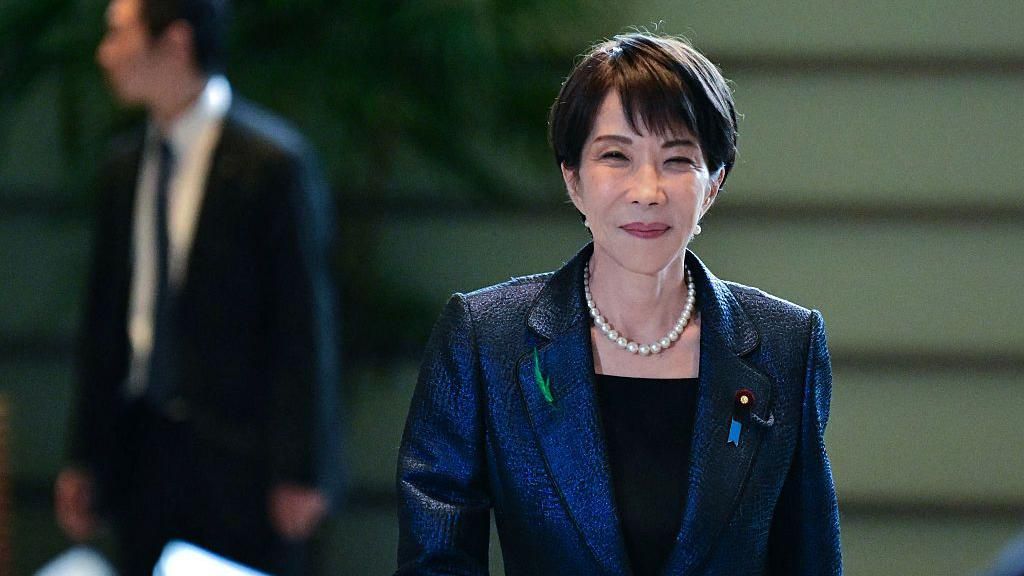
Eight decades of post-World War II pacifism that has shaped Japan’s national identity stands at a pivotal turning point, following a landmark policy shift announced by Prime Minister Sanae Takaichi’s administration in April 2026. In a move that marks the most significant overhaul of Tokyo’s defence trade rules in modern history, the government has scrapped long-standing limitations that restricted Japanese arms exports to just five non-lethal categories: rescue, transport, warning, surveillance, and minesweeping equipment.
The revised framework clears the way for Japan to export fully lethal weaponry to 17 nations with which it has pre-existing defence cooperation agreements, including major Western powers the United States and the United Kingdom. While a general ban on arms sales to countries actively engaged in armed conflict remains in place, officials confirmed the new rules allow for discretionary exceptions in what are defined as “special circumstances”.
Announcing the policy change on social media platform X, Prime Minister Takaichi framed the shift as a necessary response to an increasingly unstable global security landscape. “In an increasingly severe security environment, no single country can now protect its own peace and security alone,” she wrote. Takaichi sought to reassure observers that the core tenets of Japan’s post-war identity remain unchanged, stating: “There is absolutely no change in our commitment to upholding the path and fundamental principles we have followed as a peace-loving nation for over 80 years since the war. Under the new system, we will strategically promote equipment transfers while making even more rigorous and cautious judgments on whether transfers are permissible.”
Chief Cabinet Secretary Minoru Kihara expanded on the government’s rationale during a press briefing, emphasizing that the policy adjustment is “intended to safeguard Japan’s security and further contribute to the peace and stability of the region”.
The announcement coincided with another historic shift in Japan’s defence engagement: for the first time, Japanese Self-Defence Forces personnel are participating as active combat units in the annual joint military exercises hosted by the United States and the Philippines, moving beyond their previous role as non-combat observers. The drills are held in maritime areas of the Philippines close to disputed waters and islands claimed by Beijing, including the vicinity of Taiwan.
China has issued strong pushback against both developments, with the Chinese Foreign Ministry stating it is “seriously concerned” about what it calls Japan’s “reckless militarization”. “China will remain highly vigilant and resolutely opposed [to the move],” the ministry said in a regular media briefing. Beijing has also condemned the joint exercises, arguing they deepen regional divisions. China claims self-ruled Taiwan as an integral part of its territory and has never ruled out the use of force to assert control, and tensions have risen steadily since Takaichi drew Beijing’s anger last year by suggesting Japan could deploy its Self-Defence Forces in the event of a Chinese attack on Taiwan.
Japan’s post-war pacifist framework was enshrined in its 1947 constitution, most notably in Article 9, which formally renounces war as a tool for settling international disputes and prohibits the maintenance of standing offensive military capabilities. For generations, pacifism became a core part of Japan’s national identity, but a gradual shift in defence policy has unfolded over the past 12 years. In 2014, then-Prime Minister Shinzo Abe relaxed a total blanket ban on military sales, opening the door to joint arms development with allied nations and granting Japan’s domestic defence industry access to new global markets and advanced technologies. Then in 2023, former Prime Minister Fumio Kishida went a step further, approving exports of fully finished lethal weapons for the first time since the end of World War II.
Takaichi, who assumed office in October 2025, has long been an outspoken advocate for revising Japan’s pacifist constitution. While she has not released full details of proposed amendments, political analysts broadly expect any reform to focus on modifying or removing Article 9’s war-renouncing provisions.
Supporters of the policy shift argue that Japan’s geostrategic reality demands an update to outdated post-war rules. Located in a neighborhood marked by rising Chinese military assertiveness, Russian regional aggression, and North Korea’s advancing nuclear and missile programs, they argue Tokyo must adjust its defence posture to protect its own sovereignty and contribute to collective deterrence for regional allies.
Critics, however, warn that the cumulative series of policy changes are steadily dismantling Japan’s 80-year commitment to pacifism, transforming the country into a fully war-capable military power that could be drawn into distant armed conflicts against its national interests. The debate over Japan’s defence future is set to intensify in the coming months as the Takaichi administration moves forward with plans to advance constitutional reform.