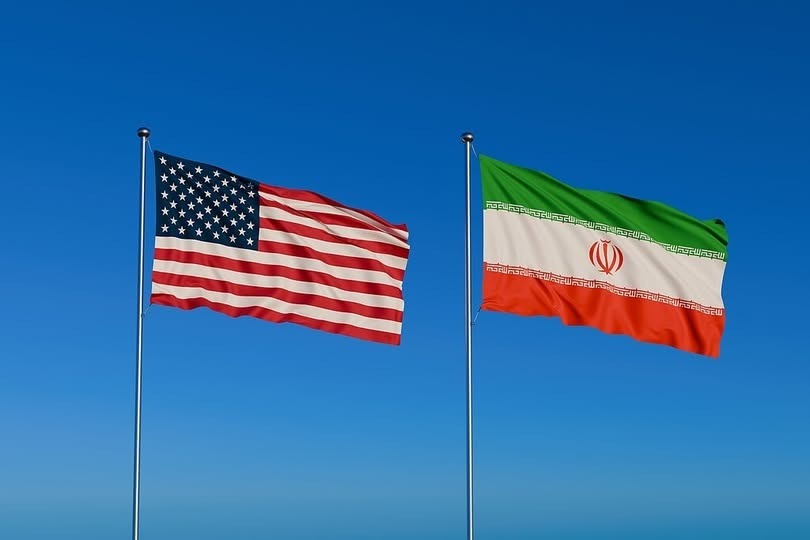
As a fragile ceasefire between Iran and the United States enters its final week, tentative diplomatic progress has failed to resolve escalating tensions in the strategically critical Strait of Hormuz, leaving upcoming peace talks hanging in the balance and global energy markets bracing for fresh volatility.
Both sides have acknowledged limited momentum in indirect negotiations mediated by third parties over recent days, but neither has offered guarantees that hostilities will end immediately once the current ceasefire expires. The latest standoff erupted Saturday, just days ahead of the ceasefire deadline, after Iranian military officials reasserted full armed control over the waterway that carries roughly one-fifth of the world’s daily oil shipments, bringing commercial shipping traffic to a near-standstill.
The clash over access to the strait follows conflicting moves from both capitals. On Friday, Iranian Foreign Minister Abbas Araghchi announced in an X post that the Strait of Hormuz would remain fully open to all commercial vessels along a pre-coordinated route for the remainder of the ceasefire, in alignment with the existing truce agreement covering Lebanon. That post remains public as of publication.
But days after Iran agreed to allow managed passage for a limited number of commercial and oil vessels as a goodwill gesture tied to ongoing negotiations, Ebrahim Zolfaghari, spokesperson for Iran’s Khatam al-Anbiya Central Headquarters, confirmed Saturday that full control of the strait had been restored to Iranian armed forces. Zolfaghari accused Washington of repeated violations of the negotiated terms, labeling the ongoing U.S. naval blockade of Iranian ports an act of state-sponsored piracy and maritime theft.
Iran’s top parliamentary speaker Mohammad Baqer Qalibaf reinforced Tehran’s dual approach in a Saturday national televised address, confirming that while diplomatic talks remain active, the country’s military is fully prepared for any escalation of hostilities. Qalibaf emphasized that Iran harbors no trust in U.S. commitments, framing the country’s current strategy as a “diplomacy of power” that has left Iran victorious on both the battlefield and at the negotiating table. He dismissed the U.S. naval blockade as a misguided move from an aggressor that failed to achieve its goals through military pressure, noting that Tehran’s resolve has only strengthened since the ceasefire took effect. Proposals for a long-term agreement, he added, have been relayed via third countries including Pakistan and have already undergone full review by Iran’s Supreme National Security Council, 36 days into the open conflict.
U.S. President Donald Trump, for his part, struck a combative tone Saturday while confirming that indirect talks were showing early signs of progress. Trump insisted the U.S. would not be blackmailed by Tehran, lambasting Iran’s military capacity and suggesting the ongoing conflict amounted to an enforced regime change. “They have no navy, they have no air force, they have no leaders. They have nothing. Actually … it is regime change,” Trump said, adding that Washington would maintain a tough negotiating position.
According to maritime intelligence provider Lloyd’s List, reported by Al Jazeera, commercial traffic through the strait came to a complete halt Saturday after Iranian forces opened fire on multiple vessels attempting to transit the waterway. While a small number of ships moved through earlier in the day, warnings via radio that the strait was back under “strict management and control by the (Iranian) armed forces” pushed all traffic back to a standstill by Saturday evening. Audio of one incident, shared widely by international media, captures the panicked crew of the oil tanker Sanmar Diego alerting Iranian naval forces that they had received official clearance to proceed moments after coming under fire from Iranian gunboats. On Sunday, Iranian forces turned away two additional oil tankers flying the flags of Botswana and Angola, which Tasnim News Agency reported had attempted to cross the strait “illegally.”
The next round of indirect peace talks is set to get underway this week in Islamabad, Pakistan. Trump announced Sunday on Truth Social that U.S. negotiating delegates would arrive in the Pakistani capital Monday night, and two anonymous Pakistani security sources confirmed to Al Jazeera that talks are expected to convene before Friday. The sources also noted two U.S. C-17 Globemaster cargo aircraft have already landed at Rawalpindi’s Noor Khan Airbase, and major roads connecting the airbase to Islamabad’s secure Red Zone have been temporarily closed to accommodate heightened security arrangements for the negotiations.
Now in its eighth week, the Iran-U.S. conflict has already triggered the single largest shock to global energy supplies in modern history. The de facto closure of the strait sent crude oil prices soaring in the early weeks of fighting, and while prices fell roughly 10 percent last Friday and global stock markets rose on hopes that commercial traffic would resume, the latest disruption has left hundreds of vessels and an estimated 20,000 seafarers stranded in the Persian Gulf, waiting for clearance to transit the strategic waterway, according to shipping industry sources.