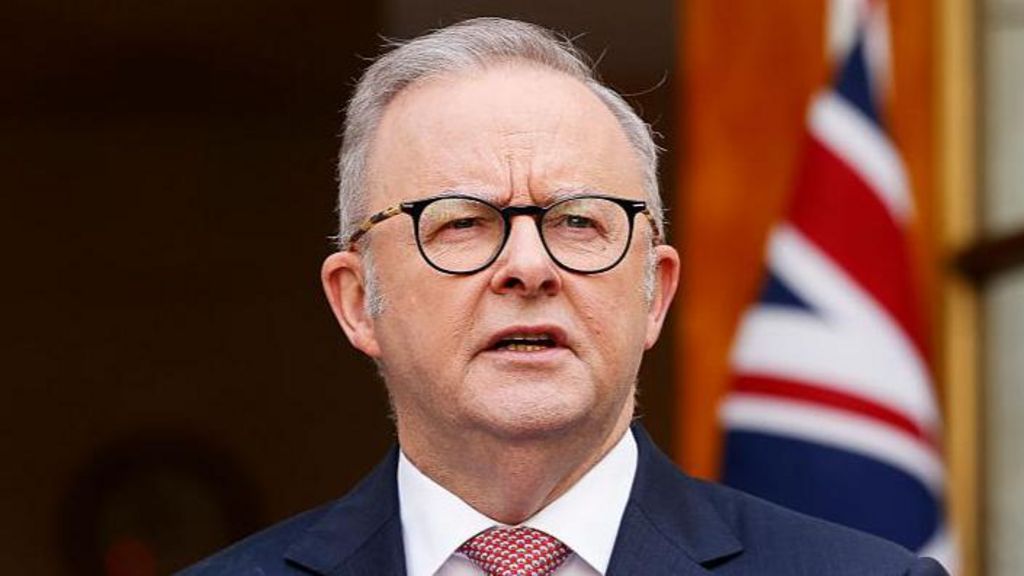
A devastating 13-hour blaze triggered by equipment failure has disrupted output at one of Australia’s only two operating oil refineries, deepening existing strain on the nation’s fuel market that has already been roiled by global supply shocks tied to the ongoing Iran conflict. Prime Minister Anthony Albanese has moved quickly to reassure the public, confirming that strict fuel rationing will not be introduced despite the production cuts.
The fire broke out at Viva Energy’s Corio Refinery, located just outside the regional Victorian city of Geelong, shortly before midnight on Wednesday. When extinguishing operations concluded 13 hours later, the facility faced significant output reductions. As one of just two domestic refineries still operating in Australia, the Corio site plays an outsize role in national fuel supply: it meets half of Victoria’s fuel demand and roughly 10 percent of the entire country’s total requirements.
During an on-site visit Friday — which required Albanese to cut short a Southeast Asian diplomatic tour focused on shoring up alternative fuel supplies — the prime Minister outlined the current production status. According to official assessments, 80 percent of the refinery’s usual diesel and aviation fuel output remains online, while 60 percent of petrol production is still operational. Albanese noted that both the government and Viva Energy expect production volumes to gradually ramp up in the coming days and weeks as repairs progress.
Australia currently operates at level two of a four-stage national fuel security framework that was finalized by federal, state and territory leaders just one month ago. The third tier of this plan introduces binding restrictions on fuel consumption, including formal rationing. Albanese confirmed that the damage from the fire does not warrant an escalation to this higher alert level, and urged Australian motorways and businesses to avoid panic buying or unnecessary stockpiling.
While ruling out immediate rationing, the government has acknowledged that the refinery damage will likely put additional upward pressure on already elevated fuel prices and tighten domestic reserves. Australia has long been heavily dependent on imported refined fuel, making it particularly vulnerable to global supply disruptions. Earlier this week, ahead of his interrupted tour, Albanese announced that the government had secured an additional 100 million liters of diesel from suppliers in Brunei and South Korea to offset existing gaps. Speaking to reporters after his site visit, the prime Minister also affirmed that Australia needed to expand domestic refining capacity to reduce its exposure to international market volatility moving forward.