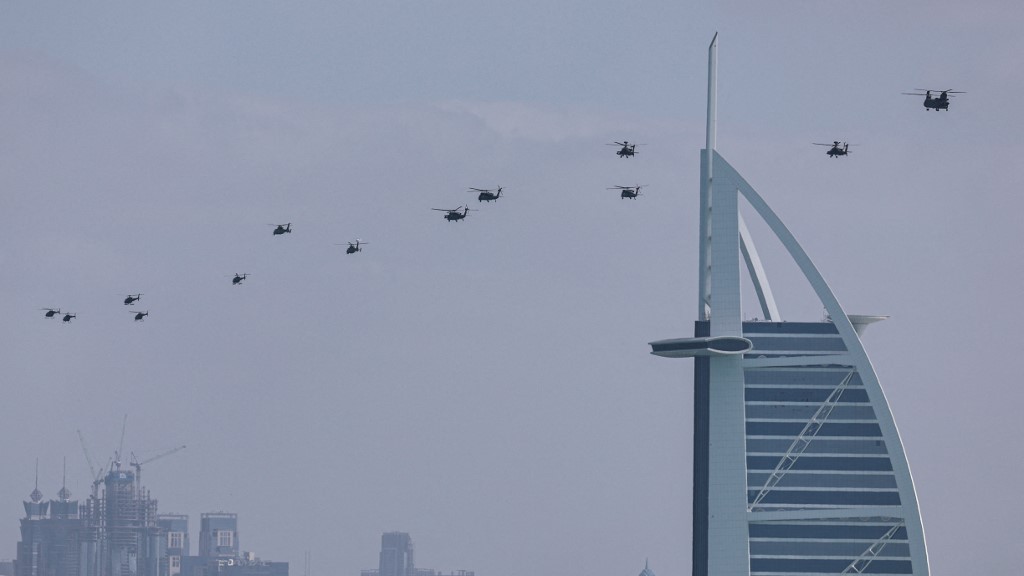
One of Dubai’s most recognizable global landmarks, the sail-shaped Burj Al Arab luxury hotel, will shut its doors for an 18-month phased refurbishment project, following steep drops in tourism driven by escalating Iranian attacks targeting the United Arab Emirates. The hotel’s parent company, hospitality firm Jumeirah, announced the long-planned renovation in an official statement Tuesday, confirming the project will be led by Paris-based renowned interior architect Tristan Auer. Though the original statement did not explicitly confirm a full closure during the construction period, an unnamed staff member disclosed to news outlet Reuters that the property will suspend operations entirely, and guests with existing bookings throughout the renovation window will be relocated to comparable accommodation at nearby Jumeirah properties. Completed in 1999, Burj Al Arab has stood as one of Dubai’s signature tourism calling cards alongside other iconic landmarks including the Burj Khalifa and the man-made Palm Islands, drawing high-net-worth travelers from across the globe for decades. However, the property suffered physical damage earlier this year when debris from an intercepted Iranian drone attack struck the site in March. While Jumeirah’s public statement did not explicitly link the renovation timeline to ongoing regional conflict or the drop in tourism, industry analysts and regional observers confirm that Iranian strikes against the UAE — which hosts key U.S. military bases in the Gulf — have triggered a sharp exodus of both foreign expatriate residents and international tourists from the emirate. The current conflict erupted in late February, after joint strikes by Israel and the United States targeted Iranian military positions. In just the first month of active hostilities, official data shows the combined market capitalization of the Dubai and Abu Dhabi stock exchanges plummeted by more than $120 billion, and over 18,400 commercial flights into and out of the UAE were canceled. This unrest has severely eroded the UAE’s carefully cultivated reputation as a stable, secure haven for tourism and international business in a historically volatile Middle Eastern region. Unlike neighboring Gulf states including Saudi Arabia and Oman, which have seen their stock markets gain value amid soaring global oil prices, the UAE’s diversified, globally integrated economy — built on four core pillars of tourism, real estate, logistics, and international finance — has faced direct, sustained damage from the ongoing security crisis. As of March 28, Iranian military forces have launched 398 ballistic missiles, 1,872 drones, and 15 cruise missiles at targets across the UAE, making the country the second-most targeted nation by Iranian strikes after Israel, which is Tehran’s longstanding primary adversary. While the vast majority of these incoming projectiles have been successfully intercepted by UAE and allied air defense systems, falling debris from intercepted weapons has caused widespread damage across multiple key sites in Abu Dhabi and Dubai, including Burj Al Arab, the Palm Jumeirah development, Dubai International Airport, and the Fujairah oil and industrial zone. This report is sourced from independent regional news outlet Middle East Eye, which specializes in unrivaled, original coverage of the Middle East and North Africa region.
UAE’s Burj Al Arab to close for 18 months refurbishment after Dubai tourism drop-off